808-764-3753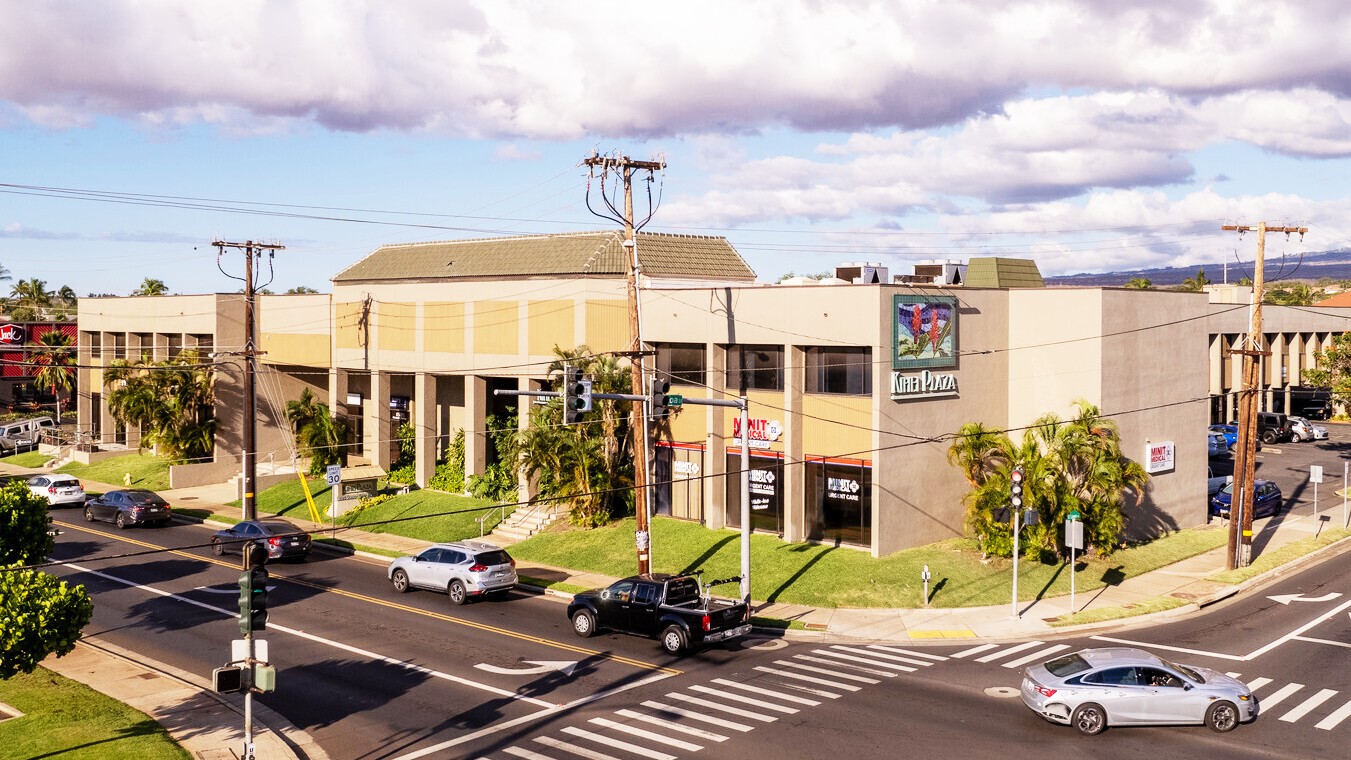
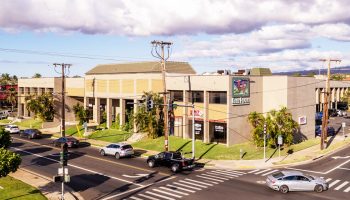
Behavioral Health Hawaii in Kihei Plaza
Kihei, HI
96753
Honolulu is a paradise, with beautiful beaches and natural beauty at every turn. However, for people who have fallen prey to drug and alcohol addiction, this land of paradise may feel more like a living hell. Even Honolulu, HI has felt the growing problem of addiction.
For those struggling, drug and alcohol detox centers in Honolulu, HI are critical to beginning the recovery journey. Addiction is painful for patients and families. While some feel a sense of shame and degradation when faced with asking for help, it is important to remember that addiction is a very real disease. Day or night, it is never too late to reach out at
808-818-8334
to get help.
| Name | Address | Detox Service Setting | Levels Of Care | Media |
|---|---|---|---|---|
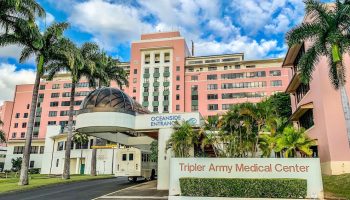
Tripler Army Medical Center |
1 Jarrett White Road Honolulu, HI 96819 |
Detox Service Setting
Inpatient DetoxOutpatient Detox
|
Levels Of Care
InpatientOutpatientAftercare+2
|
|
VA Pacific Islands Health Care System Spark M Matsunaga VAMC |
459 Patterson Road Honolulu, HI 96819 |
Detox Service Setting
Inpatient DetoxOutpatient Detox
|
Levels Of Care
InpatientOutpatientAftercare+2
|
|
CARE Hawaii on Sand Island |
197 Sand Island Access Rd Suite 201D Honolulu, HI 96819 |
Detox Service Setting
Outpatient DetoxMAT
|
Levels Of Care
Intensive OutpatientPHPDual Diagnosis
|
|
Champ Clinic |
173 South Kukui Street Honolulu, HI 96813 |
Detox Service Setting
Inpatient DetoxOutpatient DetoxMAT
|
Levels Of Care
InpatientOutpatient
|
|
Ku Aloha Ola Mau Ku Aloha |
1130 North Nimitz Highway Honolulu, HI 96817 |
Detox Service Setting
Inpatient DetoxOutpatient DetoxMAT
|
Levels Of Care
InpatientOutpatient
|
|
Sand Island Treatment Center |
524 Kaaahi Street Honolulu, HI 96817 |
Detox Service Setting
Inpatient DetoxOutpatient DetoxMAT
|
Levels Of Care
InpatientOutpatientAftercare+2
|
|
The Salvation Army Addiction Treatment Services (ATS) |
3624 Waokanaka Street Honolulu, HI 96817 |
Detox Service Setting
Outpatient Detox
|
Levels Of Care
InpatientOutpatientAftercare
|
|
Kaiser Permanente Waipio Medical Office |
94-1480 Moaniani Street Waipahu, HI 96797 |
Detox Service Setting
Outpatient Detox
|
Levels Of Care
OutpatientDual Diagnosis
|
|
Maui Recovery Center |
120 Punakea Loop Lahaina, HI 96761 |
Detox Service Setting
Inpatient Detox
|
Levels Of Care
InpatientDual DiagnosisAftercare
|

|
Behavioral Health Hawaii in Kihei Plaza |
1325 South Kihei Road Kihei, HI 96753 |
Detox Service Setting
Outpatient DetoxMAT
|
Levels Of Care
PHPOutpatientAftercare+1
|
|
Aloha House |
200 Ike Drive Makawao, HI 96768 |
Detox Service Setting
Inpatient DetoxOutpatient Detox
|
Levels Of Care
InpatientOutpatientAftercare+4
|
|
Hawaii Island Recovery |
75-170 Hualalai Road Hawaii, HI 96740 |
Detox Service Setting
Inpatient DetoxOutpatient DetoxMAT
|
Levels Of Care
InpatientOutpatientPHP
|
|
VA Pacific Islands Health Care System Kailua Kona CBOC |
75-377 Hualalai Road Kailua Kona, HI 96740 |
Detox Service Setting
Outpatient Detox
|
Levels Of Care
OutpatientAftercareDual Diagnosis+1
|
|
The Exclusive Hawaii Addiction Treatment Center |
31-631 Old Mamalahoa Highway Hakalau, HI 96710 |
Detox Service Setting
Inpatient Detox
|
Levels Of Care
InpatientAftercareDual Diagnosis+3
|

|
Honolulu’s detoxification landscape requires a unique approach due to its island geography and diverse local culture. Regulated primarily by the Hawaii Department of Health’s Alcohol and Drug Abuse Division (ADAD), the system heavily integrates evidence-based medical care with Native Hawaiian cultural healing practices, such as Ho’oponopono, to provide holistic and culturally resonant recovery options.
Navigating care in Honolulu often involves understanding both public safety nets and private facility networks.
While the city hosts the state’s highest concentration of medical and residential detox centers, such as the Sand Island Treatment Center and The Salvation Army Addiction Treatment Services (ATS), demand frequently outpaces bed availability.
For residents of neighboring islands, accessing specialized medically managed detox often requires flying into Honolulu, adding logistical and financial layers to the recovery process.
Recent state initiatives are prioritizing harm reduction and Medication-Assisted Treatment (MAT) to combat the rapid rise of fentanyl in the local drug supply.
Additionally, state-funded programs are actively working to expand telehealth and low-barrier clinic access, ensuring that even those without transportation or those residing outside the immediate Honolulu metro area can begin MAT or receive critical withdrawal management safely and efficiently.
Understanding the cost of drug detox in Honolulu can help you determine the right program to meet your needs. Cost varies based on many factors, but there are financial solutions that allow you to receive quality care on the island.
The cost of detox in Honolulu varies based on the level of care, the severity of withdrawal symptoms and whether services are provided in a hospital, residential facility or outpatient setting.
Medical complexity, length of stay and medication needs also affect the total cost. Given the higher cost of living in Hawaii, treatment costs can trend slightly higher than national averages, though many people reduce out-of-pocket expenses by using insurance or publicly funded programs.
While specific facility rates vary, estimated average costs for addiction treatment in the state are:
Private insurance companies must comply with the Affordable Care Act, meaning mental health and substance abuse treatment coverage must be offered on the same level as other health benefits. The State of Hawaii also has the Prepaid Health Care Act, which mandates robust employer-provided health coverage, expanding access for working residents.
The most common commercial insurance companies in Honolulu include:
Medicare covers inpatient and outpatient Honolulu alcohol and drug detox. It also covers Opioid Treatment Program (OTP) services, including methadone, buprenorphine and naltrexone under Part B. Copays and deductibles depend on the treatment setting and your specific plan.
Medicaid in Hawaii, known as Med-QUEST, covers drug and alcohol detox, residential and outpatient services for eligible low-income residents. Med-QUEST is a critical resource for accessing state-funded detox beds and fully covers vital MAT medications.
Cost should never be the reason for not receiving Honolulu alcohol rehab or drug detox. There are several ways to pay for addiction treatment without private health insurance:

The Hawaii DOH Alcohol and Drug Abuse Division (ADAD) provides funding to contracted agencies like Sand Island Treatment Center to offer services to uninsured or underinsured individuals.
Honolulu has strong faith-based and nonprofit care providers, such as The Salvation Army Addiction Treatment Services (ATS), which offer treatment and detox services regardless of an individual’s ability to pay.
Veterans in Honolulu can access specialized detox and substance use funding through the VA Pacific Islands Health Care System and the Spark M. Matsunaga VA Medical Center.
Community health centers, such as Waikiki Health and Kokua Kalihi Valley, offer medical services and integrated behavioral health care on a sliding fee scale based on federal poverty guidelines.
Several key regulatory and accreditation bodies oversee detox and withdrawal management services in Honolulu and across Hawaii:
Operating under the Hawaii Department of Health, ADAD is the primary state agency responsible for licensing substance use disorder treatment facilities and certifying addiction counselors. They provide the leadership and public funding necessary to maintain a comprehensive system of detox and treatment services.
OHCA manages the state licensing for all Special Treatment Facilities (STF) and Therapeutic Living Programs in Hawaii. They ensure that residential detox and rehab centers meet stringent health, welfare and safety codes for the public and personnel.
As the administrator of Hawaii’s Medicaid program, Med-QUEST acts as a major regulatory force by setting the reimbursement standards and coverage rules for publicly funded addiction treatment and MAT services across Honolulu.
Medication-assisted treatment (MAT) in Honolulu is regulated at both the federal and state levels, with oversight from SAMHSA, the DEA and the Hawaii DOH ADAD. State regulations strongly encourage combining MAT with behavioral therapy and counseling to ensure comprehensive care.
Increasingly accessible in Honolulu, Buprenorphine is prescribed by certified physicians and is available at low-barrier clinics or via telehealth. This allows patients to manage withdrawal symptoms effectively without needing to visit a specialized daily clinic.
Highly restricted to certified Opioid Treatment Programs (OTPs). Patients in Honolulu must visit specific, heavily regulated clinics for daily dosing, which can be challenging but remains a highly effective, Med-QUEST-covered option for severe opioid use disorder.
Unrestricted and non-addictive, Naltrexone (including the injectable Vivitrol) can be prescribed by any licensed healthcare provider in Honolulu. It is highly utilized for both alcohol and opioid use disorders and is fully covered by Hawaii Med-QUEST.
Honolulu possesses a dedicated harm reduction network focused on preventing overdose fatalities, curbing the spread of infectious diseases and connecting vulnerable populations to care. Across Oahu, public health agencies and grassroots organizations distribute free naloxone (Narcan), provide sterile syringe access and offer street medicine.
These programs are vital for stabilizing individuals in active addiction and frequently serve as the first point of contact for bridging patients into medical detox and long-term recovery.
HHHRC is Honolulu’s premier harm reduction organization. They operate comprehensive syringe exchanges and offer specialized medical and psychiatric support services targeting those disproportionately affected by homelessness, poverty and substance use.
Operating as a coalition across the state, Hep Free Hawaii focuses on the intersection of injection drug use and infectious disease. They provide education and connect individuals in Honolulu to testing and liver care, acting as a gateway to broader health services.
While primarily a treatment provider in Honolulu, ATS integrates harm reduction by providing extensive overdose education and HIV prevention training to its clients, ensuring that those who enter and leave its detox programs have the knowledge to stay safe.
Honolulu and the broader state of Hawaii are currently navigating a shifting addiction landscape, heavily impacted by pervasive methamphetamine use and a sharp increase in synthetic opioids.
In 2023, Hawaii recorded 320 fatal drug overdoses, marking the highest rate in the state since data tracking began in 1999.
Fentanyl-related deaths in Hawaii skyrocketed from just 9 confirmed fatalities in 2014 to 103 deaths in 2023.
Nearly 1 in 10 (9.5%) high school students in Hawaii reported using both nicotine and cannabis in the past 30 days, complicating early intervention efforts
Island geography creates unique logistical barriers. While Honolulu has the highest concentration of detox beds, residents from neighboring islands often have to fly to Oahu for specialized or inpatient medical detox, adding significant travel costs and family separation to the recovery process.
Yes, many Honolulu programs incorporate Native Hawaiian practices, such as Ho’oponopono (conflict resolution/reconciliation) and connection to the ‘aina (land). This culturally responsive approach helps build trust and improve treatment retention among local populations.
Yes. Facilities like the Sand Island Treatment Center and Salvation Army ATS receive funding from the Hawaii DOH Alcohol and Drug Abuse Division. These programs offer critical detox and residential care to uninsured or low-income residents, often prioritizing pregnant women and IV drug users.
Yes, Med-QUEST (Hawaii’s Medicaid program) covers multiple levels of substance use treatment. Eligible low-income residents can use Med-QUEST to access medical detoxification, outpatient counseling, MAT, and residential care at approved facilities in Honolulu.
While the rapid influx of fentanyl is driving fatal overdoses, methamphetamine remains the most pervasive substance threat in Honolulu. Detox and treatment centers dedicate a massive portion of their resources to managing the severe psychological withdrawal and extended psychosis associated with local meth use.