808-764-3753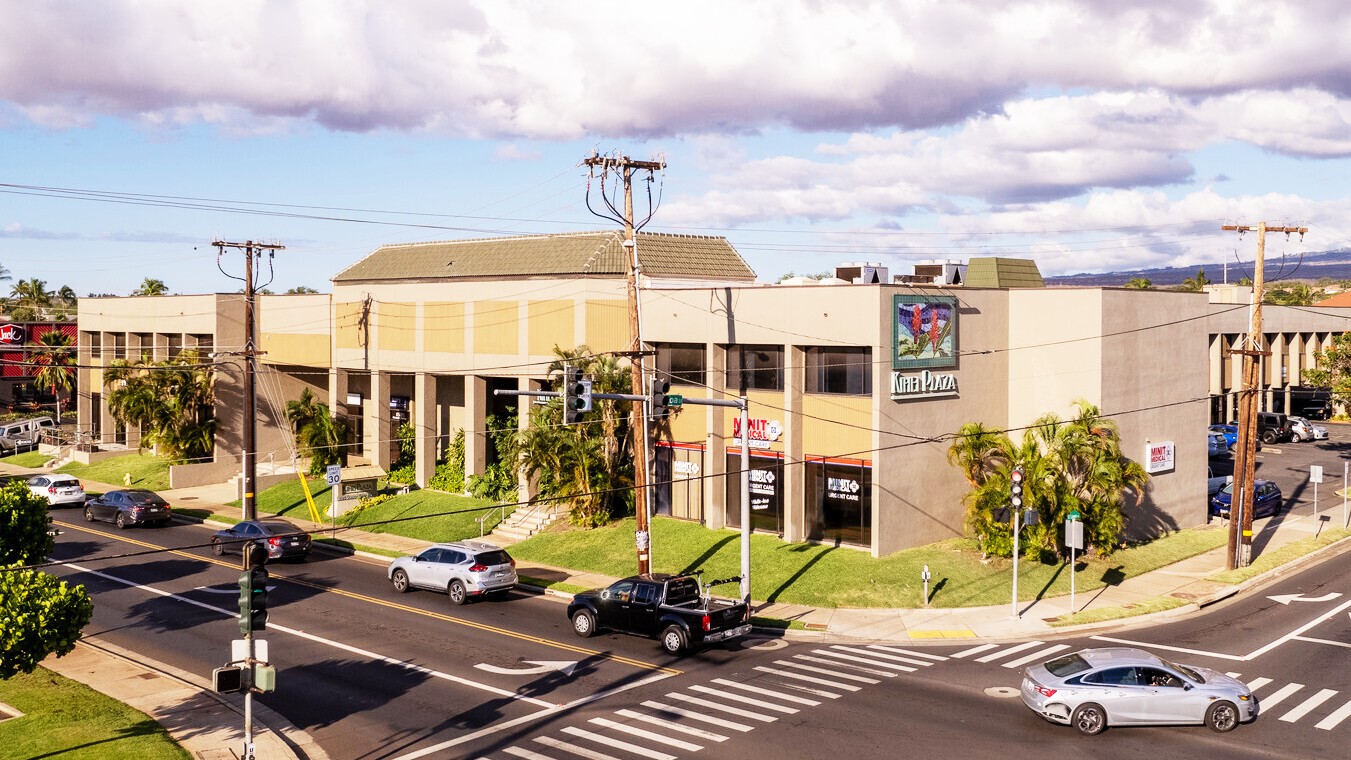
Behavioral Health Hawaii in Kihei Plaza
Kihei, HI
96753
| Name | Address | Detox Service Setting | Levels Of Care | Media |
|---|---|---|---|---|
Aloha House |
200 Ike Drive Makawao, HI 96768 |
Detox Service Setting
Inpatient DetoxOutpatient Detox
|
Levels Of Care
InpatientOutpatientAftercare+4
|
|
Behavioral Health Hawaii in Kihei Plaza |
1325 South Kihei Road Kihei, HI 96753 |
Detox Service Setting
Outpatient DetoxMAT
|
Levels Of Care
PHPOutpatientAftercare+1
|
|
Hawaii Island Recovery |
75-170 Hualalai Road Hawaii, HI 96740 |
Detox Service Setting
Inpatient DetoxOutpatient DetoxMAT
|
Levels Of Care
InpatientOutpatientPHP
|
|
Maui Recovery Center |
120 Punakea Loop Lahaina, HI 96761 |
Detox Service Setting
Inpatient Detox
|
Levels Of Care
InpatientDual DiagnosisAftercare
|

|
The Exclusive Hawaii Addiction Treatment Center |
31-631 Old Mamalahoa Highway Hakalau, HI 96710 |
Detox Service Setting
Inpatient Detox
|
Levels Of Care
InpatientAftercareDual Diagnosis+3
|

|
Bobby Benson Center |
56-660 Kamehameha Highway Kahuku, HI 96731 |
Detox Service Setting
Inpatient Detox
|
Levels Of Care
InpatientOutpatientDual Diagnosis+1
|
|
CARE Hawaii on Sand Island |
197 Sand Island Access Rd Suite 201D Honolulu, HI 96819 |
Detox Service Setting
Outpatient DetoxMAT
|
Levels Of Care
Intensive OutpatientPHPDual Diagnosis
|
|
CHAMP Clinic Maui |
270 Waiehu Beach Road Wailuku, HI 96793 |
Detox Service Setting
Inpatient DetoxOutpatient DetoxMAT
|
Levels Of Care
InpatientOutpatient
|
|
Champ Clinic |
173 South Kukui Street Honolulu, HI 96813 |
Detox Service Setting
Inpatient DetoxOutpatient DetoxMAT
|
Levels Of Care
InpatientOutpatient
|
|
Ku Aloha Ola Mau Ku Aloha |
1130 North Nimitz Highway Honolulu, HI 96817 |
Detox Service Setting
Inpatient DetoxOutpatient DetoxMAT
|
Levels Of Care
InpatientOutpatient
|
|
Mckenna Recovery Center |
4374 Kukui Grove Street Lihue, HI 96766 |
Detox Service Setting
Outpatient Detox
|
Levels Of Care
Outpatient
|
|
Sand Island Treatment Center |
524 Kaaahi Street Honolulu, HI 96817 |
Detox Service Setting
Inpatient DetoxOutpatient DetoxMAT
|
Levels Of Care
InpatientOutpatientAftercare+2
|
|
The Salvation Army Addiction Treatment Services (ATS) |
3624 Waokanaka Street Honolulu, HI 96817 |
Detox Service Setting
Outpatient Detox
|
Levels Of Care
InpatientOutpatientAftercare
|
|
Army Substance Abuse Program ASAP |
344 Heard Street Schofield Barracks, HI 96857 |
Detox Service Setting
Inpatient DetoxOutpatient Detox
|
Levels Of Care
InpatientOutpatientAftercare+1
|
|
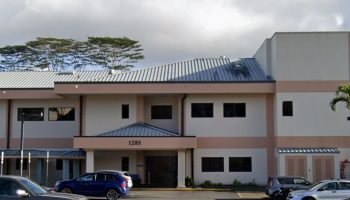
Hilo VA Clinic |
1285 Waianuenue Avenue Hilo, HI 96720 |
Detox Service Setting
Inpatient DetoxOutpatient Detox
|
Levels Of Care
InpatientOutpatientAftercare+3
|
|
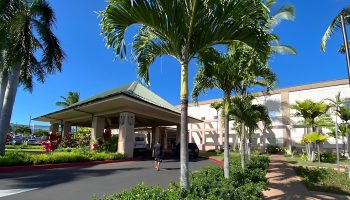
Kaiser Permanente Waipio Medical Office |
94-1480 Moaniani Street Waipahu, HI 96797 |
Detox Service Setting
Outpatient Detox
|
Levels Of Care
OutpatientDual Diagnosis
|
|
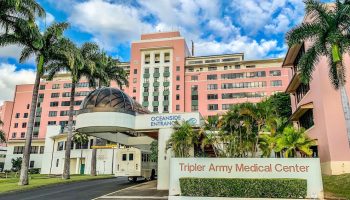
Tripler Army Medical Center |
1 Jarrett White Road Honolulu, HI 96819 |
Detox Service Setting
Inpatient DetoxOutpatient Detox
|
Levels Of Care
InpatientOutpatientAftercare+2
|
|
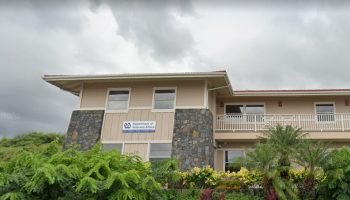
VA Pacific Islands Health Care System Kailua Kona CBOC |
75-377 Hualalai Road Kailua Kona, HI 96740 |
Detox Service Setting
Outpatient Detox
|
Levels Of Care
OutpatientAftercareDual Diagnosis+1
|
|
VA Pacific Islands Health Care System Spark M Matsunaga VAMC |
459 Patterson Road Honolulu, HI 96819 |
Detox Service Setting
Inpatient DetoxOutpatient Detox
|
Levels Of Care
InpatientOutpatientAftercare+2
|
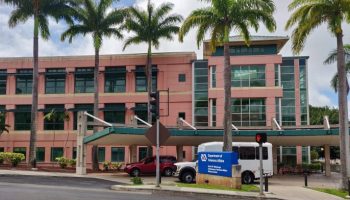
|
Honu House Hawaii |
73-4592 Hawaii Belt Rd Kailua Kona, HI 96740 |
Detox Service Setting
Hospital DetoxInpatient DetoxOutpatient Detox+1
|
Levels Of Care
InpatientOutpatientDual Diagnosis+1
|
Hawaii’s detoxification system is uniquely defined by its geography with lifesaving services heavily concentrated on the island of Oahu. Regulated primarily by the Hawaii Department of Health’s Alcohol and Drug Abuse Division (ADAD) and the Office of Health Care Assurance (OHCA), the state’s network is actively adapting to combat a drug supply dominated by both methamphetamine and synthetic opioids.
Recent 2025 legislative initiatives like HB816 are pushing to revolutionize emergency response by allowing EMTs to administer buprenorphine directly after naloxone reversal, a vital change aimed at preventing immediate, agonizing withdrawal and keeping patients engaged in care.
Navigating detox in Hawaii requires a stark understanding of inter-island logistics. For residents on the Neighbor Islands (Maui, Kauai, Molokai and Hawaii Island), local high-intensity detox beds are exceptionally scarce. Consequently, many patients facing severe withdrawal must secure medical clearance for inter-island flights to Honolulu to access full medically managed stabilization.
When searching for care, residents should immediately utilize “Hawaii CARES 988.” This is the state’s 24/7 coordinated entry system that manages real-time bed availability and triage for state funded and Medicaid approved programs.
Statewide efforts are also focusing heavily on integrating cultural competency into clinical practice. Providers increasingly incorporate Native Hawaiian healing practices, recognizing that treating the whole person is essential for long term recovery in the islands.
Furthermore, expanded telehealth regulations now allow rural residents to initiate Medication-Assisted Treatment (MAT) from home, significantly lowering the barrier to entry for those unable to commute to Oahu clinics.
Understanding the cost of drug and alcohol detox in Hawaii is critical, especially given the state’s high cost of living. While paying out-of-pocket can be daunting, there are robust financial solutions, public health nets and insurance mandates designed to help you access the care you need.
Detox costs in Hawaii vary significantly based on the level of care required, the facility’s location and the intensity of medical supervision. Hospital-based medical detox on Oahu is the most expensive due to 24/7 specialized nursing requirements and high local operational costs. Travel expenses for inter-island transport can also add to the total cost if local Neighbor Island care is unavailable, though some insurance plans cover medical travel.
Private insurance companies in Hawaii must comply with the Affordable Care Act and federal parity laws. This means substance abuse treatment coverage must be offered on the same level as standard medical benefits.
The Hawaii Department of Commerce and Consumer Affairs (DCCA) Insurance Division oversees these carriers to ensure compliance. Most major providers cover detox, residential and outpatient services, though specific copays and network restrictions apply. The six most popular private insurers in Hawaii include:

Medicare covers medically necessary inpatient and outpatient detox in Hawaii under Parts A and B. It also covers Opioid Treatment Programs (OTPs) dispensing medications like methadone or buprenorphine. Services must be provided by Medicare-approved facilities which are primarily located on Oahu.
Hawaii’s Medicaid program, Med-QUEST, provides comprehensive coverage for detox, residential treatment and MAT. Managed Care Organizations (MCOs) like AlohaCare and ‘Ohana Health Plan administer these benefits. Med-QUEST covers evidence-based services with zero or minimal copayments for eligible low income residents.
If you don’t have private insurance or Med-QUEST, don’t let that stop you from seeking help. There are alternative ways to pay for detox in Hawaii:

Many Federally Qualified Health Centers (FQHCs) such as Waikiki Health and Kalihi-Palama Health Center on Oahu, adjust their treatment fees based on your income and the federal poverty guidelines.
Organizations like The Salvation Army Addiction Treatment Services (ATS) in Honolulu offer comprehensive detox and residential programs with specialized funding options for those unable to pay standard rates.
The Alcohol and Drug Abuse Division (ADAD) receives federal block grants specifically to fund treatment for the uninsured, often prioritizing high-risk populations like pregnant women and intravenous drug users.
Eligible veterans can access specialized, fully funded inpatient detox and dual-diagnosis care through the VA Pacific Islands Health Care System, notably at the Spark M. Matsunaga VA Medical Center.
Here are the primary regulatory entities overseeing detox and substance use disorder treatment in Hawaii:
ADAD is the primary state agency that oversees the substance abuse treatment system. They manage federal and state funding, certify Substance Abuse Counselors (CSAC) and ensure treatment programs adhere to the clinical standards set in the Hawaii Administrative Rules.
Operating under the Hawaii Department of Health, OHCA is responsible for licensing all healthcare facilities in the state. They conduct physical inspections of special treatment facilities (like residential detox centers) to ensure compliance with health, safety and operational codes.
The DCCA Insurance Division regulates the health insurance industry across the islands. They are vital for ensuring that commercial insurance providers actually adhere to mental health and addiction parity laws, investigating complaints when coverage for detox is unfairly denied.
Medication-Assisted Treatment (MAT) in Hawaii is highly regulated to prevent diversion but heavily promoted as an evidence-based standard of care. ADAD oversees MAT providers, ensuring that counseling and whole-person care are integrated alongside medication management.
Access has expanded significantly in Hawaii. State telehealth laws allow rural residents on Neighbor Islands to obtain buprenorphine prescriptions without flying to Oahu. Additionally, 2025 legislative efforts aim to train EMTs to administer buprenorphine in the field immediately after an opioid overdose.
Highly regulated and restricted strictly to federally certified Opioid Treatment Programs (OTPs) like Ku Aloha Ola Mau. Because methadone requires daily supervised dosing initially, it can pose a significant logistical challenge for those living far from the few clinics located in Honolulu or Hilo.
Available as a daily pill or a monthly injection (Vivitrol), naltrexone has no potential for abuse and does not require special DEA waivers to prescribe. It is widely accessible through primary care providers and Med-QUEST, making it an excellent option for alcohol and opioid use disorder treatment across all islands.
Hawaii has embraced a robust harm reduction strategy deeply rooted in the concept of “mālama” (caring for one another). The state utilizes community organizations, health centers and state-funded initiatives to distribute naloxone, provide sterile supplies and offer judgment-free medical care to people who use drugs.
These harm reduction hubs are critical lifelines, especially on the Neighbor Islands, often acting as the first point of contact before an individual transitions into formal detox and recovery.
As the state’s largest harm reduction agency, HHHRC operates comprehensive programs primarily on Oahu while also managing mail-order naloxone services for residents on Kauaʻi, Lanaʻi and Molokaʻi to ensure statewide access.
Serving Hawaii Island (both Hilo and Kona sides), Kumukahi provides essential survival supplies and health services to rural Big Island communities that frequently face severe geographic barriers to traditional healthcare.
Functioning as a vital harm reduction hub for Maui County, this organization offers confidential access to overdose prevention kits and helps bridge the gap between active substance use and local treatment programs.
While primarily a crisis line, Hawaii CARES serves as a functional harm reduction tool by providing immediate, real-time guidance for individuals experiencing an overdose crisis or desperately seeking an emergency detox bed anywhere in the state.
Despite strong local efforts, Hawaii continues to face evolving threats from fentanyl and a deeply entrenched methamphetamine crisis, with recent data showing overdose rates creeping upward in some demographics.
In recent data, drug overdose deaths in Hawaii were recorded at 33.6 per 100,000 population for men, 3.1 times higher than the rate for women.
While the broader U.S. saw a decline in overdose deaths in 2024–2025, Hawaii was among a handful of states where fatalities actually began to climb more modestly.
Baseline Legislative findings in 2025 noted that Hawaii recorded over 280 overdose deaths in 2022, a baseline rate that has continually strained the state’s healthcare system.
Yes, in specific situations. If a medically necessary level of care—such as hospital-based medical detox—is not available on your home island, Med-QUEST and certain private insurers can authorize and cover “medical travel” flights to Honolulu to ensure you receive the proper treatment.
Absolutely. Many Hawaii treatment centers integrate Native Hawaiian cultural practices into their clinical care. Programs often utilize “Ho’oponopono” (a practice of reconciliation and forgiveness), traditional land-based healing (ʻāina-based therapy) and involve cultural practitioners to treat the spiritual alongside the physical.
The most efficient method is to call Hawaii CARES at 988 or (808) 832-3100. This 24/7 centralized service tracks real-time availability for detox and residential beds across all islands, helping you bypass the frustration of calling individual clinics that may be full.
Yes. The Hawaii Health & Harm Reduction Center (HHHRC) offers a confidential mail-order naloxone program specifically designed for residents of Kauaʻi, Lanaʻi and Molokaʻi, ensuring that geographic isolation doesn’t prevent access to life-saving overdose reversal medication.
Currently, naloxone causes immediate, often severe withdrawal symptoms (precipitated withdrawal). However, 2025 Hawaii legislation (HB816) is actively working to allow EMTs to administer buprenorphine directly after naloxone to immediately stabilize patients and eliminate these agonizing withdrawal effects.