Find Drug & Alcohol Detox Centers in Massachusetts

Massachusetts is home to Martha’s Vineyard, the Beverly Hills of New England. But, most people who live in the state won’t ever have a chance to rub elbows with Hollywood big shots and East Coast elite at the Vineyard. Sadly, their chances of wrestling with drug and alcohol addiction are much higher.

If you or someone you love are among the many people battling an addiction, there is help available. Call 617-744-7489 24/7 to learn more about detox in Massachusetts. You can ask about programs in cities across the state, including Chelsea and North Adams. Together, the pair of you can work through a list of Massachusetts detox centers and select the program that matches your goals, needs, and finances.

Detox Centers in Massachusetts

211 Results
Filters
Setting
Medications Offered
Treatment
Programs
Payment Options
Name Address Detox Service Setting Levels Of Care Media

ARK Behavioral Health

500 Victory Road Quincy, MA 02171
Detox Service Setting
Inpatient DetoxOutpatient DetoxMAT
Levels Of Care
InpatientOutpatientAftercare+1
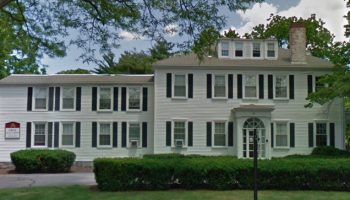
ARK Behavioral Health

Addiction Treatment Center of New England in Brighton

77 Warren Street Brighton, MA 02135
Detox Service Setting
Outpatient Detox
Levels Of Care
Outpatient
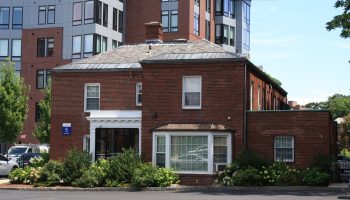
Addiction Treatment Center of New England in Brighton

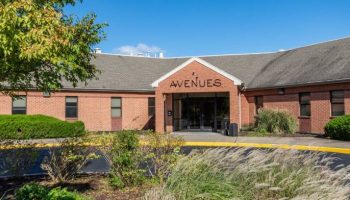
Avenues Recovery Center at Eastern Shore

821 Fieldcrest Rd Cambridge, MA 21613
Detox Service Setting
Inpatient DetoxOutpatient Detox
Levels Of Care
InpatientOutpatient
Avenues Recovery Center at Eastern Shore

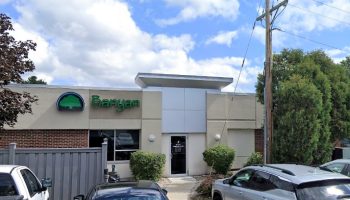
Banyan Treatment Centers | Massachusetts

66K Concord St Wilmington, MA 1887
Detox Service Setting
Inpatient DetoxOutpatient Detox
Levels Of Care
InpatientOutpatient
Banyan Treatment Centers | Massachusetts

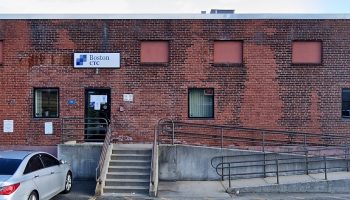
Boston Comprehensive Treatment Center

99 Topeka Street Boston, MA 02118
Detox Service Setting
Outpatient Detox
Levels Of Care
OutpatientAftercareDual Diagnosis
Boston Comprehensive Treatment Center

Bournewood Health Systems

300 South Street Brookline, MA 02467
Detox Service Setting
Inpatient DetoxOutpatient Detox
Levels Of Care
InpatientOutpatientAftercare+3
Bournewood Health Systems

Charles River Recovery

75 Norumbega Rd Cambridge, MA 02493
Detox Service Setting
Inpatient DetoxOutpatient Detox
Levels Of Care
InpatientOutpatient
Charles River Recovery

Clearbrook Massachusetts

83 Hospital Rd Gardner, MA 01436
Detox Service Setting
Levels Of Care
Clearbrook Massachusetts

Dimock Community Health Center

45 Dimock Street Roxbury, MA 02119
Detox Service Setting
Inpatient DetoxOutpatient Detox
Levels Of Care
InpatientOutpatientDual Diagnosis+1
Dimock Community Health Center

Emerson Hospital Behavioral Health

133 Old Road to 9 Acre Corner Concord, MA 01742
Detox Service Setting
Inpatient DetoxOutpatient Detox
Levels Of Care
InpatientOutpatientDual Diagnosis
Emerson Hospital Behavioral Health

Foundations Group Recovery Centers

800 Falmouth Rd Mashpee, MA 02649
Detox Service Setting
Inpatient DetoxOutpatient Detox
Levels Of Care
InpatientOutpatient
Foundations Group Recovery Centers

Gavin Foundation Center for Recovery Services

210 Old Colony Avenue Boston, MA 02127
Detox Service Setting
Outpatient Detox
Levels Of Care
OutpatientDual Diagnosis
Gavin Foundation Center for Recovery Services

Gavin Foundation—McGahan Center

43 Old Colony Avenue Quincy, MA 02170
Detox Service Setting
Inpatient Detox
Levels Of Care
InpatientAftercare
Gavin Foundation—McGahan Center

Lake Avenue Recovery Addiction Treatment Centers

425 N Lake Ave Worcester, MA 01605
Detox Service Setting
Inpatient DetoxOutpatient Detox
Levels Of Care
InpatientOutpatient
Lake Avenue Recovery Addiction Treatment Centers

McLean Hospital Belmont Campus

115 Mill Street Belmont, MA 02478
Detox Service Setting
Inpatient DetoxOutpatient Detox
Levels Of Care
InpatientOutpatientAftercare+3
McLean Hospital Belmont Campus

Mercy Medical Center

271 Carew Street Springfield, MA 01104
Detox Service Setting
Inpatient DetoxOutpatient Detox
Levels Of Care
InpatientOutpatientAftercare+2
Mercy Medical Center

Middlesex Recovery Norton

85 East Main Street Norton, MA 02766
Detox Service Setting
Outpatient Detox
Levels Of Care
OutpatientAftercare
Middlesex Recovery Norton

Northstar Recovery Center

132 Turnpike Rd Worcester, MA 01772
Detox Service Setting
Inpatient DetoxOutpatient Detox
Levels Of Care
InpatientOutpatient
Northstar Recovery Center

Paramount Recovery Centers

120 Turnpike Rd Southborough, MA 01772
Detox Service Setting
Inpatient DetoxOutpatient Detox
Levels Of Care
InpatientOutpatient
Paramount Recovery Centers

Recovery Centers of America at Danvers

75 Lindall Street Danvers, MA 01923
Detox Service Setting
Inpatient DetoxOutpatient Detox
Levels Of Care
InpatientOutpatientAftercare+2
Recovery Centers of America at Danvers

Drug & Alcohol Detox in Massachusetts

The detoxification landscape in Massachusetts is a robust network of world-class medical facilities and accessible state-funded programs. Regulated primarily by the Massachusetts Department of Public Health (DPH) and its Bureau of Substance Addiction Services (BSAS), the state operates under strict licensing standards designed to ensure patient safety and high-quality care.

Currently, the system is deeply focused on integrating Medication-Assisted Treatment (MAT) across all levels of care, including a pioneering state initiative that provides MOUD (Medications for Opioid Use Disorder) to individuals within county jails, drastically reducing post-release overdose rates.

Navigating care in Massachusetts requires an understanding of the state’s unique public health resources and legal frameworks.

A critical element specific to Massachusetts is “Section 35.” This state law permits the involuntary civil commitment of individuals with severe substance use disorders for up to 90 days of inpatient detox and rehabilitation if they pose a serious risk of harm to themselves or others. 

While controversial, it remains a frequently utilized tool for families in crisis.

Recent data also indicates a massive shift in the local drug supply. With xylazine (a veterinary sedative) now found in over a third of the state’s tested drug samples, the complexity of the withdrawal process has escalated. 

Standard opioid withdrawal protocols are often insufficient to manage xylazine-induced symptoms. Therefore, admission to a medically managed, inpatient detox facility, rather than attempting detox at home, is vital for stabilization and survival. 
Find The Perfect Detox Center For You

Filter treatment centers in Massachusetts by level of care offered to find the best detox program for you or a loved one.

Paying for Detox in Massachusetts

The cost of drug detox can be a barrier to getting the treatment you need. It varies based on many factors, but thanks to strong state parity laws and expansive public health funding, residents can receive quality care.

How Much Does Detox Cost in Massachusetts?

The cost of detox in Massachusetts fluctuates based on the level of care required, the facility’s location and the severity of the withdrawal symptoms. 

Because the local drug supply heavily features potent synthetic drugs like fentanyl and xylazine, many patients require intensive, medically supervised inpatient care, which is generally more expensive than outpatient services.

Fortunately, state regulations require robust insurance coverage, significantly reducing out-of-pocket expenses for most residents.

If you are paying out-of-pocket, the average estimated costs in the region are:

$1,750 to $5,600 (standard 7-day program)
Medical Detox
$36,000 to $42,500 (30 - 90 day program)
Inpatient Rehab
$1,400 to $10,000 (depending on intensity)
Outpatient Rehab
$5,000 to $7,500 annually
Methadone Treatment

Does Private Insurance Cover Detox in Massachusetts?

Yes, private insurance companies must comply with both the federal Affordable Care Act and strict Massachusetts mental health parity laws.

This means commercial insurers must provide substance abuse treatment coverage on par with medical and surgical benefits. The Massachusetts Division of Insurance oversees these health plans to ensure compliance and prevent unfair denials of care.

The most common commercial health insurance providers in Massachusetts include:

Blue Cross Blue Shield
Harvard Pilgrim Health Care
Tufts Health
United Health Care

Medicare and Medicaid in Massachusetts

Medicare

Covers inpatient and outpatient detox in Massachusetts, as well as MAT services at Opioid Treatment Programs (OTPs) under Part B.

Specific out-of-pocket costs, such as copays and deductibles, will depend on whether you have Original Medicare or a Medicare Advantage plan and the facility you choose.

Medicaid

Medicaid in Massachusetts, known as MassHealth, provides comprehensive coverage for addiction treatment. MassHealth covers medically necessary inpatient detox, residential rehabilitation, outpatient care and MAT (including methadone, buprenorphine and Vivitrol), often with zero or very low out-of-pocket costs for eligible members.

Other Ways to Pay for Detox Treatment

Do not let cost be a reason for not getting drug or alcohol detox in Massachusetts. There are several ways to pay for addiction treatment without private health insurance:

State-Funded Programs (BSAS):

The Bureau of Substance Addiction Services (BSAS) contracts with over 40 treatment sites across Massachusetts to provide care for uninsured or underinsured residents, ensuring access to detox regardless of income.

Nonprofits & Charities:

Organizations such as The Salvation Army and several other local community recovery centers provide low-cost or free faith-based and secular residential rehabilitation and support services for those in need.

Sliding Scale Payment Systems:

Many Federally Qualified Health Centers (FQHCs) across the state offer outpatient behavioral health and MAT services using a sliding fee scale based on federal poverty guidelines.

Veterans Programs:

The VA Boston Healthcare System offers specialized inpatient and outpatient substance use disorder treatment, including medical detox that is specifically tailored for eligible military veterans.

Massachusetts Regulations and Accreditation for Detox

Several key regulatory and accreditation bodies oversee detox and withdrawal management services in Massachusetts.

Bureau of Substance Addiction Services (BSAS)

Operating under the Department of Public Health, BSAS is the primary state licensing authority for substance use disorder programs. They oversee clinical standards, issue facility licenses and fund prevention, treatment and recovery services statewide.

Massachusetts Department of Public Health (DPH)

The DPH acts as the overarching health authority in the state, tracking epidemiological overdose data and emerging drug supply threats. This data directly informs local resource allocation, public health advisories and the regulatory focus of BSAS.

MassHealth (Massachusetts Medicaid)

While primarily a payer, MassHealth functions as a major regulatory force by setting strict behavioral health credentialing and performance standards. Facilities must adhere to MassHealth’s rigorous clinical guidelines to maintain their funding and certification status.

Key MAT Medications and Regulatory Status in Massachusetts

Medication-assisted treatment (MAT) in Massachusetts is heavily promoted as a standard of care and is regulated at both state and federal levels.

BSAS oversees MAT providers, ensuring programs incorporate required counseling and behavioral therapies alongside medication management.

Buprenorphine:

Highly accessible across Massachusetts, buprenorphine is available through Office-Based Addiction Treatment (OBAT) programs, specialized clinics and via telehealth. This allows for flexible, lower-barrier initiation of detox for patients managing opioid use disorder.

Methadone:

Methadone administration is strictly regulated and dispensed only through certified Opioid Treatment Programs (OTPs). While daily clinic visits are initially required, MassHealth fully covers methadone treatment, making it a financially accessible lifeline for many.

Naltrexone:

Available without strict DEA waivers, naltrexone (often administered as the extended-release injection Vivitrol) is non-addictive and carries no abuse potential. It is fully covered by MassHealth and widely utilized for both alcohol and opioid use disorders after physical detox is complete.

Overdose Prevention and Harm Reduction in Massachusetts

Massachusetts champions a progressive harm reduction strategy aimed at keeping people who use drugs safe and connected to healthcare.

Across the Commonwealth, a network of state-funded initiatives, local health departments and grassroots organizations distribute free naloxone, drug-checking equipment and sterile supplies.

These harm reduction services are critical touchpoints that prevent fatal overdoses and frequently serve as a compassionate bridge to formal detox and recovery programs.

SafeSpot Overdose Hotline

24/7 national overdose response line Emergency EMS dispatch and peer support Formerly known as Never Use Alone

Services: 24/7 national overdose response line, emergency EMS dispatch and peer support. Formerly known as Never Use Alone Massachusetts, SafeSpot is staffed by individuals with lived experience. Callers who are using drugs alone can stay on the line with an operator who will confidentially dispatch EMS if the caller becomes unresponsive.

AHOPE Boston

Syringe exchange Naloxone distribution Fentanyl and xylazine test strips HIV/HCV testing & treatment referrals

Services: Syringe exchange, naloxone distribution, fentanyl and xylazine test strips, HIV/HCV testing and treatment referrals. Run by the Boston Public Health Commission, AHOPE (Access, Harm Reduction, Overdose Prevention and Education) is one of the state’s largest harm reduction programs, providing judgment-free survival supplies and direct pathways to detox facilities.

Massachusetts Community Naloxone Program (OEND)

Bulk naloxone distribution Overdose prevention training Free mailed naloxone kits

Services: Bulk naloxone distribution, overdose prevention training and free mailed naloxone kits. The state’s Overdose Education and Naloxone Distribution (OEND) program works through community agencies to provide free Narcan to bystanders, families and organizations, while also offering direct mail-order kits for Massachusetts residents.

The RECOVER Project

Peer recovery coaching Harm reduction education Community support meetings Resource linkage

Services: Peer recovery coaching, harm reduction education, community support meetings, resource linkage. Based in Western Massachusetts, this peer-to-peer program focuses on trauma-informed support and community building. They integrate harm reduction education into their recovery space, helping individuals at all stages of the continuum of care stay safe.

Detox Statistics in Massachusetts

Despite the persistent dangers of a heavily adulterated drug supply, Massachusetts is currently seeing an unprecedented and highly encouraging decline in overdose fatalities, driven by aggressive harm reduction and expanded MAT access.

36% Decline in Statewide Deaths

In 2024, Massachusetts saw an estimated 36% decrease in opioid-related overdose deaths from the previous year, marking a massive turning point in the local crisis.

92% Fentanyl Involvement

Between mid-2023 and mid-2024, illicit fentanyl was present in 92% of all opioid-related overdose deaths in Massachusetts, where toxicology data were available.

38% Drop in Boston Overdoses

Boston specifically recorded a 38% drop in opioid-related mortality in 2024 compared to 2023, reaching the lowest number of overdose deaths in the city since 2015.

Xylazine Found in 34% of Drug Samples

In 2024, the dangerous veterinary sedative xylazine, which complicates standard opioid detox protocols, was detected in 34% of tested drug supply samples in the state.

52% Lower Overdose Risk with Jail MOUD

An NIH study revealed that individuals who received Medication for Opioid Use Disorder (MOUD) while in Massachusetts county jails had a 52% lower risk of a fatal overdose post-release.

FAQs About Detox in Massachusetts

How can I get into a detox program if I am uninsured in Massachusetts?

You can access care by contacting the Massachusetts Behavioral Health Help Line (BHHL) at 833-773-2445. They provide free, 24/7 clinical navigation and can place you directly into BSAS-funded, safety-net detox beds regardless of your insurance status or ability to pay.

Is naloxone (Narcan) available over the counter in Massachusetts?

Yes. In Massachusetts, you can obtain naloxone at any pharmacy without a prescription due to a statewide standing order. MassHealth and most private insurers fully cover the cost, and residents can also order free kits online through the state’s Community Naloxone Program.

What is a "Section 35" commitment in Massachusetts?

Section 35 is a Massachusetts law that allows spouses, blood relatives, medical professionals or police officers to petition the court to involuntarily commit someone to a licensed treatment facility for up to 90 days if their substance use poses a serious likelihood of harm.

Does MassHealth cover residential detox?

Yes, MassHealth provides extensive coverage for addiction treatment. It covers medically necessary acute inpatient detox, clinical stabilization services (CSS) and transitional support services (TSS), frequently resulting in zero out-of-pocket costs for members seeking residential care.

Two people talking
Get Help Today!
If you or a loved one is in need of help, call today. Pick up the phone and get the help you need.
800-483-2193
Confidential. Available 24 Hours
Get Help Today Phone icon 800-779-4314