803-336-1338
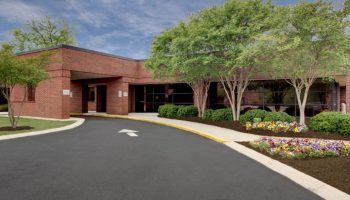

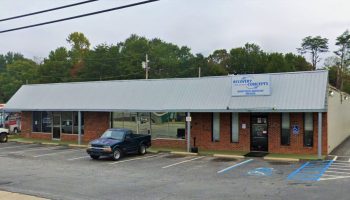
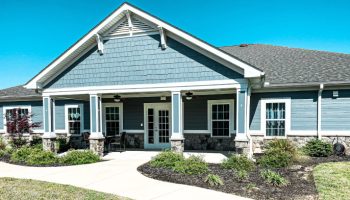
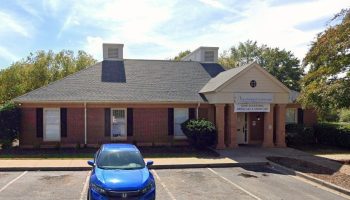
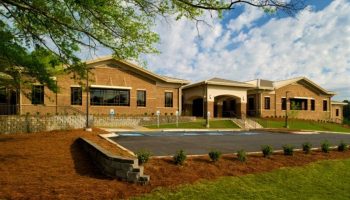
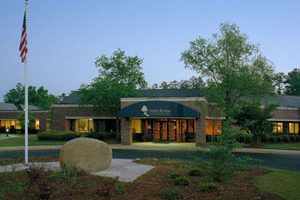
South Carolina’s detoxification landscape is built on a network of private care facilities and a robust, state-funded public safety net. The system is heavily regulated by the South Carolina Department of Public Health (DPH) which recently took over health facility licensing from the former DHEC and the Department of Alcohol and Other Drug Abuse Services (DAODAS).
Together, these agencies oversee a network that is increasingly prioritizing Medications for Opioid Use Disorder (MOUD) and harm reduction strategies to combat the state’s addiction crisis.
Navigating care in South Carolina requires understanding its unique county-based system. DAODAS operates through 33 county alcohol and drug abuse authorities that serve all 46 counties in the state.
Facilities like LRADAC in the Midlands or The Phoenix Center in the Upstate serve as the primary access points for state-funded and sliding-scale detox services. South Carolina has a significant rural population and these county authorities are vital for bridging the gap where private hospital beds are scarce.
Recent initiatives are actively transforming the state’s continuum of care. The South Carolina Opioid Recovery Fund (SCORF) is distributing millions of dollars from national opioid settlements to expand critical services.
This includes funding mobile MAT clinics for rural and coastal communities, increasing free Narcan availability and supporting recovery housing. These targeted investments are designed to eliminate the logistical and financial barriers that have historically prevented South Carolinians from accessing life-saving withdrawal management and stabilization services.