

 803-336-1338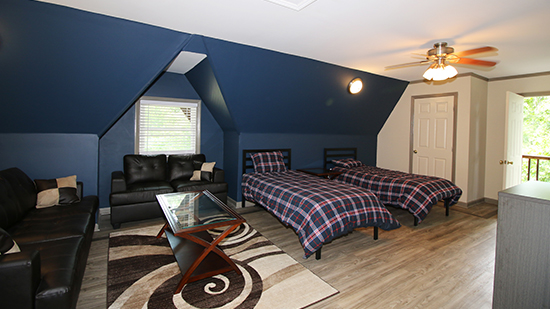
Owls Nest Recovery Community Sober Living Solutions LLC
Florence, SC
29501
| Name | Address | Detox Service Setting | Levels Of Care | Media |
|---|---|---|---|---|
Crossroads of Myrtle Beach |
104 George Bishop Parkway Myrtle Beach, SC 29579 |
Detox Service Setting
Outpatient Detox
|
Levels Of Care
Outpatient
|
|
Crossroads of Myrtle Beach, SC |
104 George Bishop Pkwy Myrtle Beach, SC 29579 |
Detox Service Setting
Inpatient DetoxOutpatient Detox
|
Levels Of Care
InpatientOutpatient
|
|
New Journey SDG |
1113 44th Avenue North Myrtle Beach, SC 29577 |
Detox Service Setting
Outpatient Detox
|
Levels Of Care
OutpatientAftercareDual Diagnosis
|
|
Brunswick Health & Rehab Center |
9600 Number 5 School Road Northwest Ash, NC 28420 |
Detox Service Setting
Inpatient DetoxOutpatient Detox
|
Levels Of Care
InpatientOutpatient
|

|
Coastal Horizons Center Brunswick Office |
120 Coastal Horizons Drive Shallotte, NC 28470 |
Detox Service Setting
Outpatient DetoxMAT
|
Levels Of Care
OutpatientIntensive OutpatientAftercare
|
|
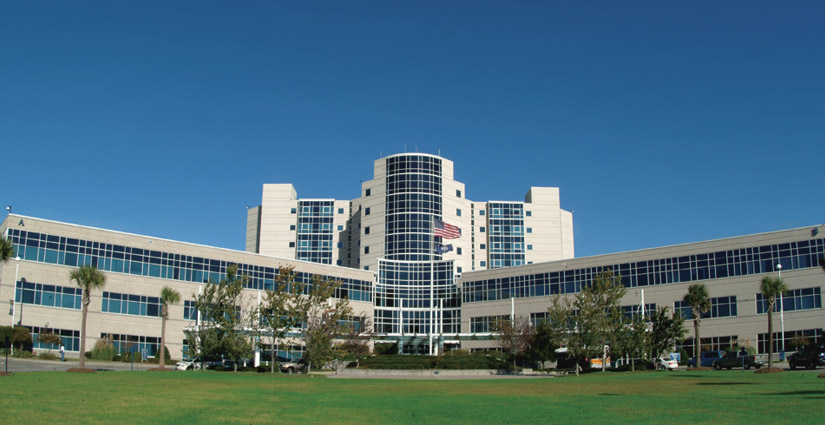
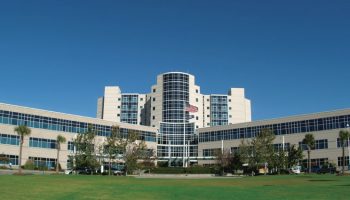
MUSC Health Bruce Hall Alcohol and Drug Recovery Services at Florence Medical Center |
805 Pamplico Highway Florence, SC 29505 |
Detox Service Setting
Hospital DetoxInpatient DetoxMAT
|
Levels Of Care
InpatientAftercare
|
|
Owls Nest Recovery Community Sober Living Solutions LLC |
2528 West Palmetto Street Florence, SC 29501 |
Detox Service Setting
Inpatient Detox
|
Levels Of Care
|

|
Coastal Horizons Center |
615 Shipyard Boulevard Wilmington, NC 28412 |
Detox Service Setting
Outpatient DetoxMAT
|
Levels Of Care
OutpatientIntensive Outpatient
|
|
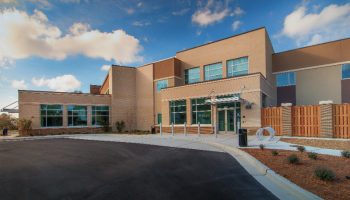
Wilmington Treatment Center |
2520 Troy Drive Wilmington, NC 28401 |
Detox Service Setting
Hospital DetoxInpatient Detox
|
Levels Of Care
InpatientOutpatientPHP+1
|
|
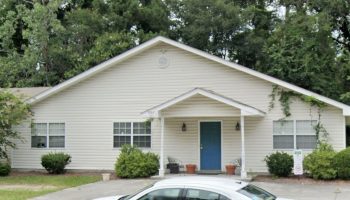
Kelly House Program – Closed |
1507 Martin Street Wilmington, NC 28401 |
Detox Service Setting
Inpatient Detox
|
Levels Of Care
InpatientDual DiagnosisSober Living
|
|
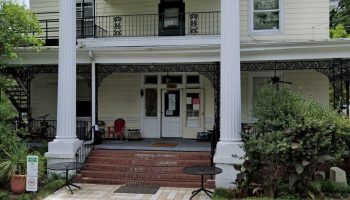
Stepping Stone Manor |
416 Walnut Street Wilmington, NC 28401 |
Detox Service Setting
Inpatient DetoxOutpatient Detox
|
Levels Of Care
InpatientOutpatientDual Diagnosis
|
|
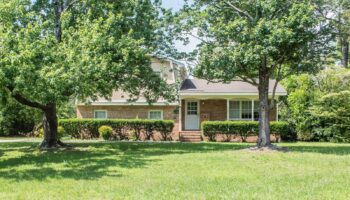
Launch Pad |
3150 Malpass Avenue Wilmington, NC 28403 |
Detox Service Setting
Inpatient DetoxOutpatient Detox
|
Levels Of Care
InpatientOutpatient
|
|
New Hanover Metro Treatment Center |
1611 Castle Hayne Road Wilmington, NC 28401 |
Detox Service Setting
Outpatient DetoxMAT
|
Levels Of Care
OutpatientIntensive Outpatient
|
|
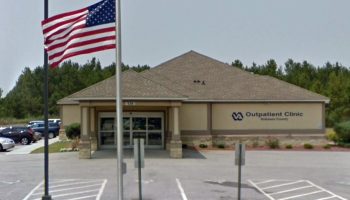
Robeson County VA Clinic |
139 Three Hunts Drive Pembroke, NC 28372 |
Detox Service Setting
Inpatient DetoxOutpatient Detox
|
Levels Of Care
InpatientOutpatientAftercare+2
|
|
Wilmington VA Clinic |
1705 Gardner Road Wilmington, NC 28405 |
Detox Service Setting
Inpatient DetoxOutpatient DetoxMAT
|
Levels Of Care
InpatientOutpatientAftercare+2
|
|
Myrtle Beach and Horry County have carried one of the highest opioid burdens in South Carolina for years, with the county historically ranking first in the state for opioid overdose deaths and second in overdose-related hospitalizations. In response, several key interventions have been put in place to help people in the area.
Horry County designated Shoreline Behavioral Health Services, based in Conway, as the county’s alcohol and drug authority. Shoreline provides sliding-scale outpatient treatment and counseling to Horry County residents and connects individuals to recovery housing options along the Grand Strand, making it a critical entry point for people without private insurance or the financial resources for private care. Its services are provided on a confidential, open-access basis with no appointment needed on select mornings.
In 2023, Myrtle Beach, North Myrtle Beach, Conway, and Horry County formally agreed to pool opioid settlement funds toward a coordinated regional response to the local overdose crisis. Backed by guaranteed funding from the South Carolina Opioid Recovery Fund, this partnership is expanding peer support and harm reduction access across the Grand Strand.
When choosing a detox center in Myrtle Beach, a few local factors matter. The city is a seasonal tourism hub, and hospital and residential beds can face capacity pressure during summer months, so people seeking inpatient-level care may need to consider facilities in Conway or elsewhere in Horry County. Detox and substance use treatment facilities in South Carolina must be licensed by the SC Department of Public Health (DPH) under Regulation 60-93, Standards for Licensing Facilities for Chemically Dependent or Addicted Persons. Policy oversight and public funding flow through the SC Department of Behavioral Health and Developmental Disabilities (DBHDD) via its Office of Substance Use Services (OSUS), which absorbed the functions of the former DAODAS following a 2025 state agency restructuring.
The cost of detox in Myrtle Beach varies considerably depending on the level of care, the substance being treated, and whether a facility is private, nonprofit, or state-funded. Understanding your options for paying for detox before you call a facility can help reduce delays and stress during a critical moment.
South Carolina sits near the Southeast midpoint for both residential and outpatient detox costs. Pricing in Myrtle Beach and Horry County is shaped by a mix of private facilities, nonprofit programs, and county-supported services through Shoreline Behavioral Health Services. Medical complexity, the need for medication-assisted treatment, and length of stay are the main drivers of total cost. Costs fall to near zero for income-eligible individuals using Horry County’s publicly funded programs through Shoreline.
As of January 2021, Healthy Connections Prime, South Carolina’s Medicare-Medicaid coordination plan, is available in Horry County for dual-eligible residents who qualify for both Medicare and Medicaid. Dual-eligible individuals can apply through the SC Department of Health and Human Services.
South Carolina Medicaid, known as Healthy Connections, covers substance use disorder services including inpatient detox, outpatient treatment, and all three FDA-approved MAT medications, as long as services are delivered by a Medicaid-enrolled provider. Income-eligible individuals can apply through the SC Department of Health and Human Services.
For people without insurance, several alternatives can reduce out-of-pocket costs.

Uses a sliding fee scale based on household income for Horry County residents who cannot pay for private care.
Connects qualifying individuals involved in the criminal justice system to supervised treatment as an alternative to incarceration.
Administered through OSUS, this funding supports state-contracted treatment providers who accept clients on a reduced-fee basis.
Veterans may access substance use treatment through the Columbia VA Health Care System, which provides SUD assessment, counseling, and MAT services.
South Carolina’s regulatory structure for detox and substance use treatment involves several state and federal bodies, each with a defined scope. Understanding who oversees your care can help you evaluate the legitimacy and quality of a facility before entering treatment.
DPH is the primary healthcare facility licensing authority in South Carolina following the 2025 restructuring of state health agencies. Under Regulation 60-93, DPH inspects and licenses all residential treatment centers and detoxification facilities, setting standards for staffing, clinical protocols, and patient safety. Learn more at dph.sc.gov.
OSUS manages state substance use policy, administers federal block grant funds, and oversees the network of 33 county alcohol and drug authorities statewide, including Shoreline Behavioral Health Services in Horry County. It also coordinates opioid settlement fund distribution and statewide MAT access initiatives. Learn more at daodas.sc.gov.
LLR’s Board of Medical Examiners and Board of Examiners for Licensure of Addiction Counselors license the physicians who prescribe MAT medications and the counselors who provide clinical care in treatment settings. Learn more at llr.sc.gov.
The SC DOI enforces mental health parity requirements for all insurance plans sold in the state, ensuring that substance use disorder treatment benefits cannot be restricted more than comparable medical benefits. Learn more at doi.sc.gov.
People entering medication-assisted detox for opioid use disorder in Myrtle Beach have multiple regulated pathways available. Medication-assisted treatment is governed at both federal and state levels. Federally, opioid treatment programs must comply with SAMHSA’s 42 CFR Part 8 and DEA controlled-substance regulations, and DBHDD/OSUS aligns state licensing standards with these federal requirements while expecting behavioral counseling to accompany medication treatment.
Available throughout Horry County via licensed outpatient clinics and, since the federal government removed the in-person visit requirement for telehealth prescribing, via telemedicine. This flexibility allows individuals to start treatment quickly without waiting for residential placement.
Restricted to certified Opioid Treatment Programs. Crossroads Treatment Center on George Bishop Parkway in Myrtle Beach is a CARF-accredited OTP providing outpatient methadone treatment to adults across Horry County. South Carolina Healthy Connections covers methadone at OTP-certified facilities.
Unrestricted and non-addictive, naltrexone requires no special clinic licensing and can be prescribed by any licensed physician. It is commonly used in Horry County Drug Court programs and is covered by South Carolina Healthy Connections for eligible individuals.
Harm reduction organizations in Myrtle Beach provide free, low-barrier services that can save lives and connect people to treatment when they are not yet ready for formal detox. Because fentanyl is now present in a wide range of street drugs in South Carolina, access to naloxone and drug-checking tools is a critical safety measure for anyone using substances in the Grand Strand area.
Fyrebird Recovery is Horry County’s primary harm reduction organization, founded specifically to serve people who use drugs in the Myrtle Beach area. As one of only four syringe service programs active in South Carolina, Fyrebird provides community members with the tools to reduce overdose risk and avoid bloodborne infections. South Carolina does not explicitly authorize syringe exchange programs by law, so Fyrebird’s operations exist in a legally ambiguous space. Confirm current service hours and locations directly with Fyrebird before visiting.
Launched in May 2023 with state opioid settlement funding, Myrtle Beach’s Opioid Response Program deploys peer support specialists to overdose scenes alongside the Fire Department. Team members can be reached by anyone in the community at 843-918-1600, not just people responding to an overdose call.
Horry County Fire Rescue employs dedicated harm reduction specialists who conduct follow-up visits with individuals after overdose-related emergency calls. These specialists work alongside county and municipal partners as part of the regional opioid remediation plan developed with Myrtle Beach, Conway, and North Myrtle Beach.
The South Carolina Department of Public Health distributes free Opioid Overdose Safety Kits at county health departments statewide, including the Horry County DPH office. Call ahead to confirm availability before picking up a kit. No questions are required and kits are provided anonymously.
Horry County continues to see significant substance use impacts even as South Carolina overall begins to show progress. The statistics below reflect the scale of the local and statewide challenge and the ongoing harm reduction efforts that are beginning to shift outcomes.
Based on DHEC data from the 2022 reporting period, Horry County ranked first among all South Carolina counties for opioid overdose deaths, underlining the acute severity of the fentanyl crisis along the Grand Strand. Source: SC Department of Public Health.
Despite the statewide decline in overdose deaths, Horry County was one of 15 South Carolina counties that recorded an increase in overdose fatalities in 2023, alongside Charleston, Aiken, and York counties. Source: SC DPH Drug Overdose Deaths Report.
CDC provisional data estimates approximately 1,475 drug overdose deaths in South Carolina in 2024, a 33% decline from 2,157 deaths in 2023 and steeper than the national decline of roughly 27%. Source: SC DPH and DBHDD/OSUS.
Horry County’s publicly funded substance use treatment is coordinated by Shoreline Behavioral Health Services, the county’s OSUS-designated alcohol and drug authority. Shoreline provides outpatient treatment and counseling on a sliding-scale basis for residents who cannot afford private care. Shoreline does not operate a residential detox facility, so individuals needing medically managed inpatient detox may need a referral to a state-contracted residential provider elsewhere in South Carolina. You can contact Shoreline directly at 843-365-8884 for an assessment.
Yes. South Carolina Healthy Connections covers inpatient detox, outpatient detox, medication-assisted treatment, and residential care for income-eligible individuals, as long as these services are delivered by a Medicaid-enrolled provider. Coverage for MAT includes all three FDA-approved medications: buprenorphine, methadone at certified OTPs, and naltrexone. Not all facilities in Myrtle Beach accept Healthy Connections, so confirm enrollment status when calling.
Fyrebird Recovery provides syringe services in the Horry County and Myrtle Beach area. Because South Carolina law neither explicitly authorizes nor prohibits syringe exchange programs, Fyrebird operates in a legally ambiguous environment. For that reason, it is best to contact Fyrebird directly at fyrebirdrecovery.org to confirm current service locations and hours before visiting.
The Myrtle Beach Fire Department launched its Opioid Response Program in May 2023, funded through South Carolina opioid settlement dollars. The team includes a program coordinator and certified peer support specialists who respond to suspected overdose calls alongside first responders and offer voluntary follow-up support. Anyone in the community struggling with substance use can self-refer by calling 843-918-1600.
Yes. Free naloxone is available through the Horry County DPH office as part of the state’s Opioid Overdose Safety Kits program, which also includes fentanyl and xylazine test strips. Fyrebird Recovery also distributes naloxone kits locally. Call the Horry County DPH office ahead of time to confirm availability.
Crossroads Treatment Center on George Bishop Parkway is a CARF-accredited outpatient opioid treatment program offering same-day and virtual appointments for medication-assisted treatment in Myrtle Beach. Buprenorphine can also be initiated via telehealth through a licensed provider without an in-person visit. Contact Shoreline Behavioral Health Services for a referral to a Medicaid-enrolled MAT provider if cost is a barrier.

Cary has more than three decades of nursing expertise as an LPN and holds a bachelor’s degree in Liberal Arts. She is also working toward a Master’s degree focused on public health policy. Her professional journey has been dedicated to addressing healthcare disparities for both adults and children.