803-336-1338
Owls Nest Recovery Community Sober Living Solutions LLC
Florence, SC
29501
| Name | Address | Detox Service Setting | Levels Of Care | Media |
|---|---|---|---|---|
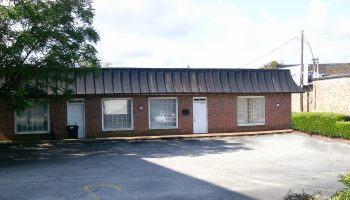
Crossroads of Columbia |
1421 Bluff Road Columbia, SC 29201 |
Detox Service Setting
Outpatient Detox
|
Levels Of Care
OutpatientAftercare
|
|
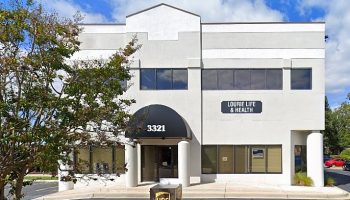
Lantana Recovery Columbia |
3321 Forest Dr Columbia, SC 29204 |
Detox Service Setting
Inpatient DetoxOutpatient Detox
|
Levels Of Care
InpatientOutpatient
|
|
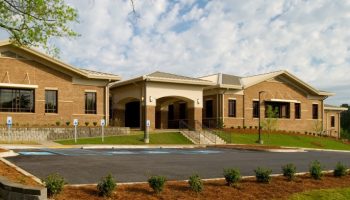
LRADAC Columbia |
2711 Colonial Dr Columbia, SC 29203 |
Detox Service Setting
Inpatient DetoxOutpatient Detox
|
Levels Of Care
InpatientOutpatient
|
|
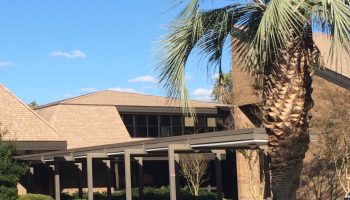
Morris Village |
610 Faison Drive Columbia, SC 29203 |
Detox Service Setting
Inpatient Detox
|
Levels Of Care
Inpatient
|
|
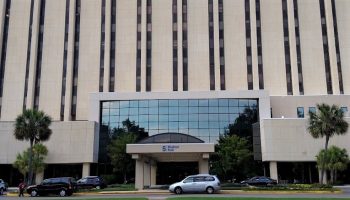
Prisma Health Richland Hospital |
5 Richland Medical Park Drive Columbia, SC 29203 |
Detox Service Setting
Inpatient DetoxOutpatient Detox
|
Levels Of Care
InpatientOutpatientDual Diagnosis
|
|
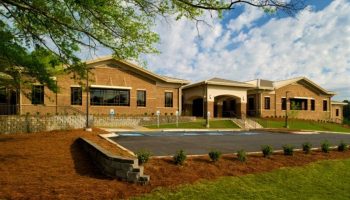
The LRADAC Foundation Columbia |
2711 Colonial Drive Columbia, SC 29203 |
Detox Service Setting
Inpatient DetoxOutpatient Detox
|
Levels Of Care
InpatientOutpatientDual Diagnosis+1
|
|
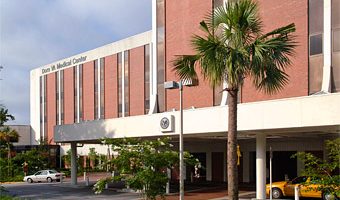
William Jennings Bryan Dorn Veterans Affairs Medical Center |
6439 Garners Ferry Road Columbia, SC 29209 |
Detox Service Setting
Outpatient DetoxMAT
|
Levels Of Care
OutpatientDual DiagnosisAftercare+1
|
|
Prisma Health Richland Springs Hospital |
11 Richland Medical Park Drive Columbia, SC 29203 |
Detox Service Setting
Hospital DetoxInpatient Detox
|
Levels Of Care
InpatientDual Diagnosis
|
|
William S Hall Psychiatric Institute Adolscent Recovery Program |
1800 Colonial Drive Columbia, SC 29207 |
Detox Service Setting
Inpatient DetoxHospital DetoxMAT
|
Levels Of Care
InpatientDual Diagnosis
|
|
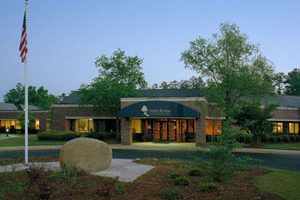
Three Rivers Behavioral Health |
2900 Sunset Boulevard West Columbia, SC 29169 |
Detox Service Setting
Hospital DetoxOutpatient Detox
|
Levels Of Care
OutpatientInpatient
|
|
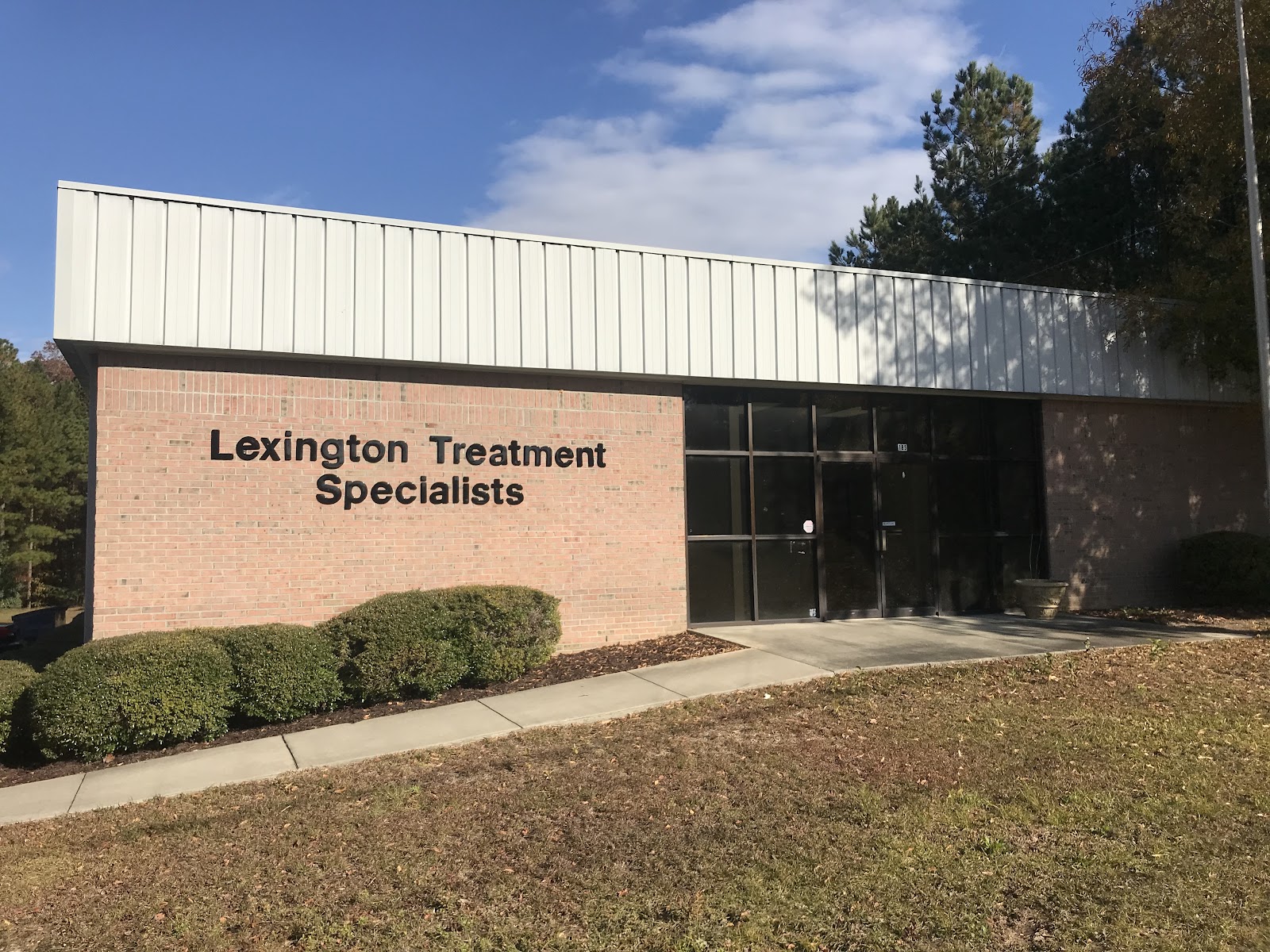
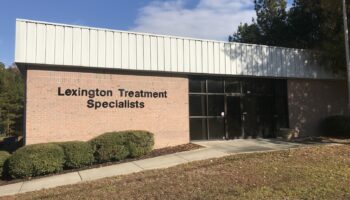
Lexington Treatment Specialists |
185 Lott Court West Columbia, SC 29169 |
Detox Service Setting
Inpatient DetoxOutpatient Detox
|
Levels Of Care
InpatientOutpatient
|
|
William J McCord Adolescent Treatment Facility |
910 Cook Road Orangeburg, SC 29115 |
Detox Service Setting
Inpatient DetoxOutpatient DetoxMAT
|
Levels Of Care
InpatientOutpatient
|
|
Aurora Pavilion Behavioral Health Services |
655 Medical Park Drive Aiken, SC 29801 |
Detox Service Setting
Hospital DetoxOutpatient DetoxInpatient Detox
|
Levels Of Care
InpatientPHPIntensive Outpatient
|
|
BHG Aiken Treatment Center |
410 University Parkway Aiken, SC 29801 |
Detox Service Setting
Outpatient Detox
|
Levels Of Care
Outpatient
|
|
Rebound Behavioral Health Hospital |
134 East Rebound Road Lancaster, SC 29720 |
Detox Service Setting
Inpatient DetoxOutpatient DetoxMAT
|
Levels Of Care
InpatientPHPDual Diagnosis
|
|
Columbia is South Carolina’s state capital and the seat of Richland County, with a well-developed network of publicly funded detox and addiction treatment programs.
State oversight falls under the Department of Behavioral Health and Developmental Disabilities (DBHDD), created in April 2025 to consolidate the former DAODAS, the Department of Mental Health and the Department of Disabilities and Special Needs.
Within DBHDD, the Office of Substance Use Services (OSUS) handles facility licensing, compliance and federal block grant management for detox providers statewide.
At the county level, LRADAC (the Lexington/Richland Alcohol and Drug Abuse Council) is the DBHDD-contracted public authority for both Richland and Lexington counties.
LRADAC operates a 16-bed co-ed detoxification unit plus outpatient and intensive outpatient programs at its Colonial Drive facility in Columbia. The center is CARF-accredited, licensed by the SC Department of Public Health, and accepts Medicaid, Medicare, and most private insurance.
Residents seeking free or low-cost detox can call LRADAC at 803-726-9300 or the statewide SC-HOPES referral line at 1-844-SC-HOPES. For cases requiring higher-level medical supervision, Morris Village Alcohol and Drug Addiction Treatment Center, operated by the SC Department of Mental Health, provides inpatient medical stabilization.
Columbia’s city government has also become an active participant in overdose prevention. Its Office of Neighborhood Safety and Engagement (ONSE) uses South Carolina Opioid Recovery Fund (SCORF) grants to distribute naloxone, train residents on overdose response and connect people to treatment, with funding extended through September 2026.
For anyone starting the search for care, reviewing how to choose a detox center can help you ask the right questions before contacting a facility.
The cost of drug and alcohol detox in Columbia depends on the level of medical supervision required, the length of stay and whether care is accessed through a public program, private insurance or self-pay.
Getting a clear picture of how much detox costs before reaching out to a facility can reduce financial stress during an already difficult time.
The cost of detox in South Carolina varies based on the level of care and the facility type, with medical complexity, withdrawal severity and the duration of stay being the primary cost drivers.
People accessing care through LRADAC, Medicaid or other publicly funded programs typically pay far less than the state averages below, and some pay nothing at all.
Private health insurance plans sold in South Carolina must comply with the Affordable Care Act, which requires mental health and substance use disorder benefits to be offered at parity with other medical coverage. The South Carolina Department of Insurance regulates insurers operating in the state to ensure ACA compliance.
You can review in-network facility options through the SC Health Insurance Marketplace.
The most common commercial insurance carriers in the Columbia market include:
Medicare covers inpatient and outpatient detox, including medically supervised withdrawal management. Part B covers Opioid Treatment Programs (OTPs), including methadone, buprenorphine and naltrexone services. Based on your specific plan and treatment setting, copays and deductibles vary.
Healthy Connections is South Carolina’s Medicaid program. It covers detox, inpatient and residential treatment, outpatient services and all FDA-approved MAT medications.
As of July 2024, Healthy Connections eliminated copayments for most treatment services, making publicly funded care more accessible for eligible residents.
Do not let cost keep you from seeking care in Columbia. Several options exist for residents without private insurance:

LRADAC operates a sliding fee scale for Richland and Lexington County residents, and its affiliated LRADAC Foundation provides direct financial assistance to remove cost barriers for those who qualify.
DBHDD/OSUS funds treatment beds at LRADAC and other county-contracted providers. Eligible residents can access these services at low or no cost by calling SC-HOPES at 1-844-SC-HOPES for a referral and assessment.
The William Jennings Bryan Dorn VA Medical Center (6439 Garners Ferry Road, Columbia) provides substance use disorder assessment, outpatient counseling and detox support for eligible veterans. The facility received a High Performer designation from the Human Rights Campaign in 2024 for LGBTQ+ affirming care.
The City of Columbia accesses South Carolina Opioid Recovery Fund (SCORF) grants that pay for naloxone distribution, peer recovery services and harm reduction outreach at no cost to residents. Contact the ONSE office or call 803-545-3355 for more information.
Many key regulatory and accreditation bodies oversee detox and substance use disorder treatment in Columbia and across South Carolina, including:
In 2025, Act No. 3, DBHDD absorbed the former DAODAS and now houses the Office of Substance Use Services. OSUS is the primary state licensing authority for detox and substance use disorder treatment facilities, manages federal SAMHSA block grant funding and contracts with county alcohol and drug abuse authorities, including LRADAC, to deliver services in all 46 counties.
SC DPH licenses county alcohol and drug abuse authorities, including LRADAC in Richland and Lexington counties. DPH manages statewide overdose surveillance, participates in the CDC’s Overdose Data to Action (OD2A-S) program through 2028, and distributes free naloxone through public health clinics and a network of community distributors across the state.
LLR oversees professional licensing boards for physicians, nurses and addiction counselors practicing in South Carolina, including the Board of Medical Examiners and the Board of Examiners for Licensure of Addiction Counselors.
All clinicians prescribing MAT medications or providing clinical counseling at Columbia detox facilities must hold active credentials through LLR-regulated boards.
The SCORF Board administers opioid litigation settlement funds and awards grants to municipalities, nonprofits, healthcare providers and state agencies for evidence-based treatment, harm reduction and recovery support.
Columbia participates in both the Guaranteed Political Subdivision Subfund and the Discretionary Subfund, with active grants supporting the city’s ONSE harm reduction programs.
Medication-assisted treatment in Columbia operates under combined federal and state oversight. Federally, Opioid Treatment Programs must comply with SAMHSA regulations under 42 CFR Part 8.
At the state level, DBHDD/OSUS aligns licensing standards with these federal requirements and expects behavioral counseling to be integrated into any MAT program.
Widely available in Columbia through LRADAC’s outpatient programs and private providers. The 2023 elimination of the federal X-waiver requirement expanded the number of prescribers who can dispense it, making buprenorphine accessible through office-based settings and telehealth. Healthy Connections (Medicaid) covers it.
Restricted to federally certified Opioid Treatment Programs. Crossroads Treatment Center (1421 Bluff Road, Columbia) operates as a licensed OTP offering methadone in Columbia. Daily in-person dosing is required at program initiation, though take-home doses become available after a period of demonstrated stability. Healthy Connections covers methadone treatment.
Available without the restrictions that apply to opioid-based MAT medications. Both oral naltrexone and injectable Vivitrol are prescribed through outpatient physicians and OTPs across Columbia. Because it carries no abuse potential, it is widely used in criminal justice diversion programs in Richland County. Healthy Connections covers it.
Columbia has a growing network of harm reduction programs addressing fentanyl overdose prevention and recovery linkage. Because fentanyl is involved in the majority of drug overdose deaths in Richland County, the community response has expanded significantly since 2023, supported by SCORF opioid settlement funding and an active coalition of city government and nonprofit partners.
Columbia’s ONSE leads the city’s harm reduction initiative through SCORF-funded partnerships. As of June 30, 2025, ONSE and its partners distributed 492 naloxone kits and 429 fentanyl test strips to at-risk residents, and educated more than 680 people on Good Samaritan laws and overdose response.
SCORF funding for the program continues through September 2026.
The Courage Center is a SCORF-funded community partner working alongside the City of Columbia’s ONSE. Through mid-2025, the organization provided 58 recovery coaching sessions and trained 110 individuals to administer naloxone, building a broader citywide network of prepared first responders to overdoses.
A Second Chance Resource Center connects adults navigating recovery to peer support, housing, and employment through the ONSE SCORF program.
Through mid-2025, the organization connected 57 adults to peer recovery services and 53 to housing support, and participated in community outreach events that reached more than 500 Columbia residents.
SC DPH distributes free naloxone kits at all public health clinics in Richland County. No prescription, ID or insurance is required.
Columbia also has 24-hour naloxone distribution boxes at multiple fire stations and community sites, stocked weekly, that are accessible around the clock.
Overdose trends in South Carolina and Richland County have improved in recent years, and ongoing harm reduction efforts are contributing to that progress. However, fentanyl remains the dominant driver of fatal overdoses in the region.
Fentanyl was identified in 1,550 of South Carolina’s 2,157 overdose deaths in 2023, accounting for approximately 72% of all fatal overdoses statewide.
Richland County Coroner Naida Rutherford confirmed 64 fentanyl-involved overdose deaths in Richland County in 2023, with fentanyl identified as the predominant substance in local overdose fatalities.
LRADAC (Lexington/Richland Alcohol and Drug Abuse Council) is the publicly funded detox access point for Richland and Lexington County residents. Call LRADAC at 803-726-9300 to start an over-the-phone intake assessment, available 24 hours a day.
The statewide SC-HOPES line at 1-844-SC-HOPES can also provide referrals to local publicly funded programs.
Morris Village Alcohol and Drug Addiction Treatment Center is operated by the South Carolina Department of Mental Health and provides medically supervised inpatient detox and stabilization for adults.
It is state-funded and is typically accessed by people who require a higher level of medical care than outpatient programs can safely provide. Referrals are generally coordinated through LRADAC or the SC-HOPES line.
Yes. South Carolina’s Good Samaritan law offers limited protection from prosecution for people who call 911 to report an overdose, covering both the caller and the person experiencing the overdose.
The City of Columbia’s ONSE educates residents on these protections as part of its SCORF harm reduction program, and training sessions are held regularly across the city.
Inpatient detox means staying at a facility for 24-hour medical supervision during withdrawal, which is generally recommended for alcohol, benzodiazepine or heavy opioid dependence. Whereas, outpatient detox allows you to manage withdrawal at home with scheduled clinic visits and medication support, and is appropriate for lower-risk situations.
LRADAC in Columbia offers both levels of care, and an intake assessment determines which is appropriate.
Yes. Naloxone is available without a prescription at most pharmacies in Columbia under South Carolina’s statewide standing order.
Free naloxone kits are also available at SC Department of Public Health clinics in Richland County with no prescription or ID required, at 24-hour distribution boxes at multiple Columbia fire stations and through the City of Columbia’s ONSE program.