803-336-1338
Owls Nest Recovery Community Sober Living Solutions LLC
Florence, SC
29501
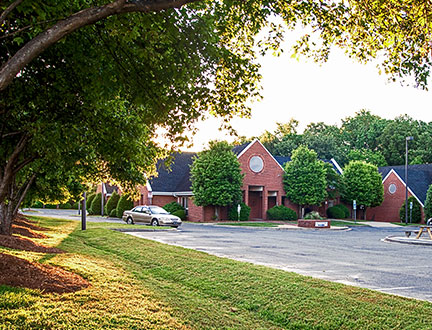
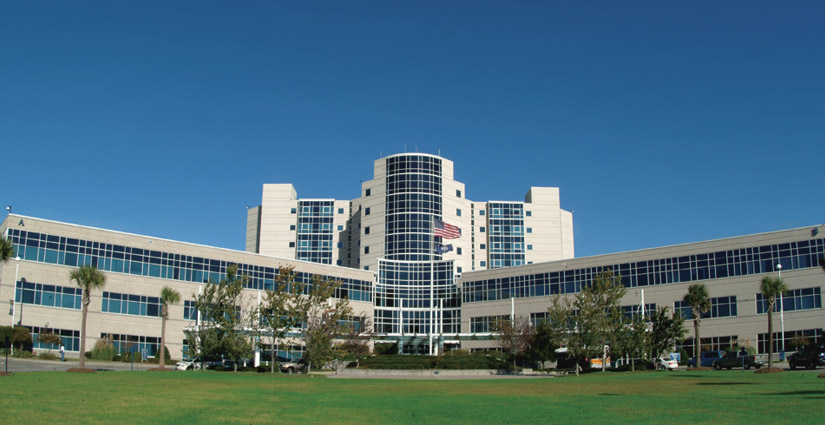
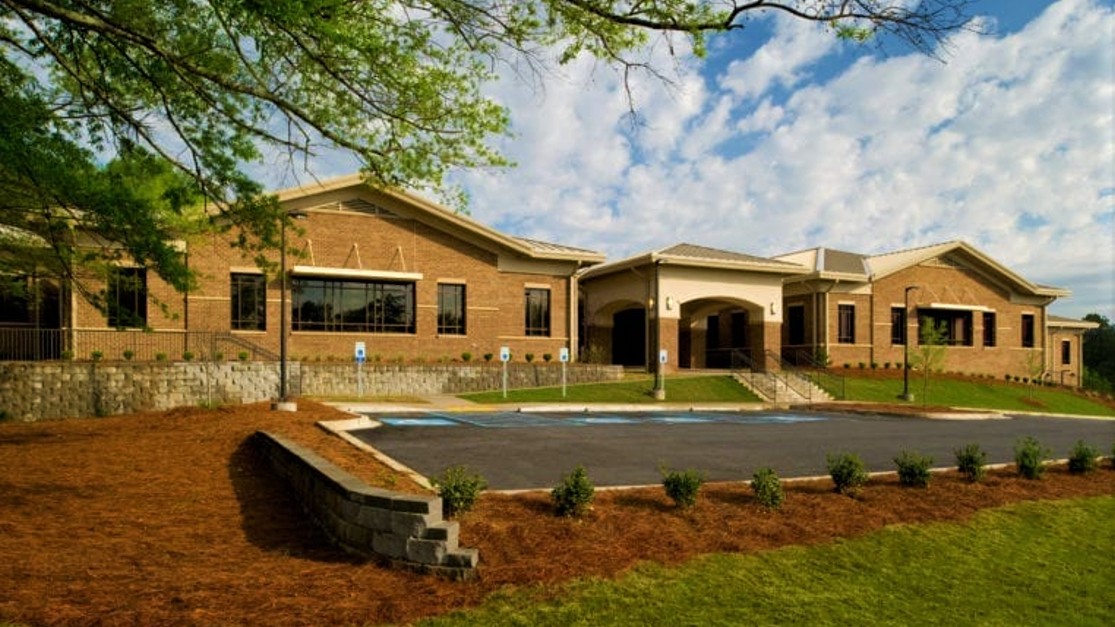
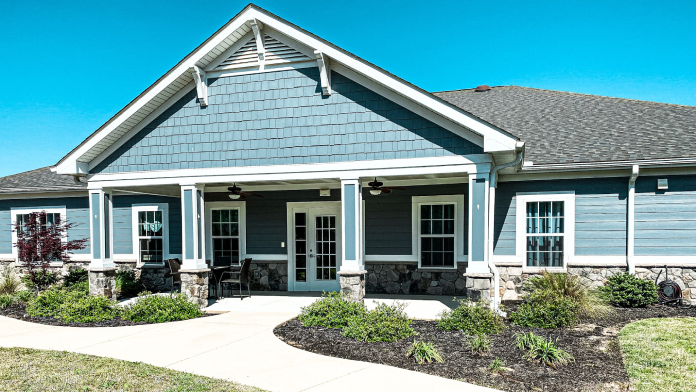
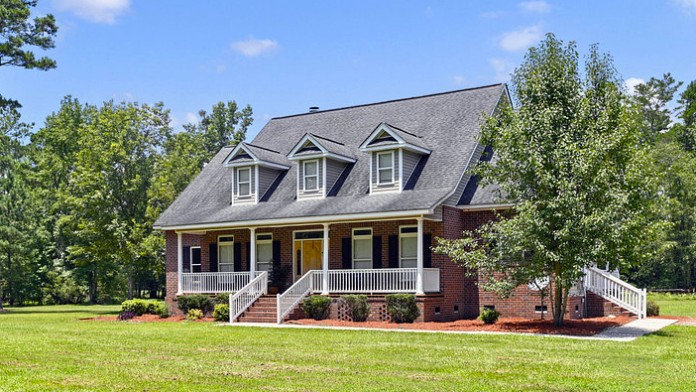
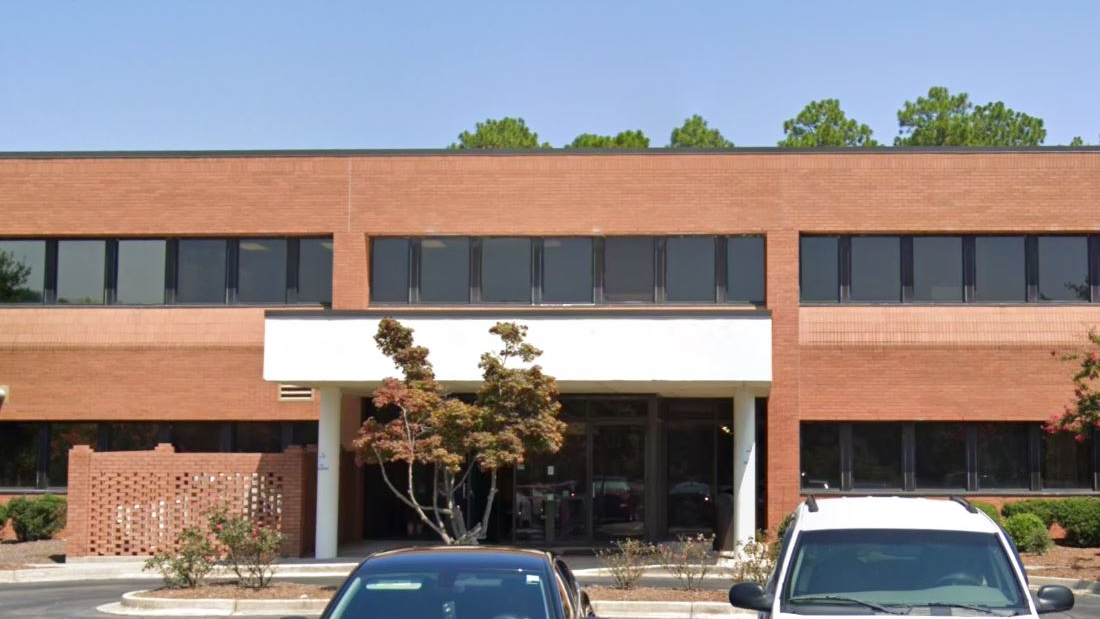
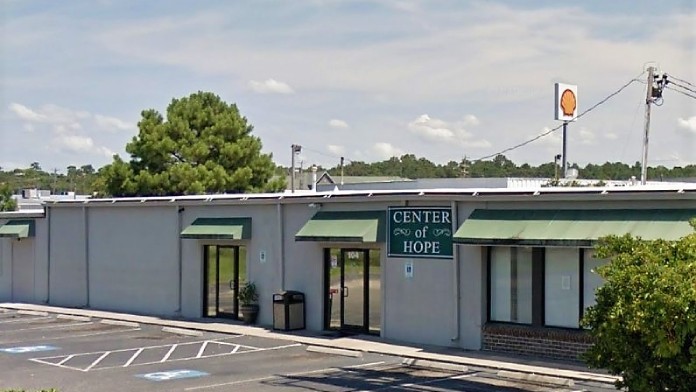
| Name | Address | Detox Service Setting | Levels Of Care | Media |
|---|---|---|---|---|
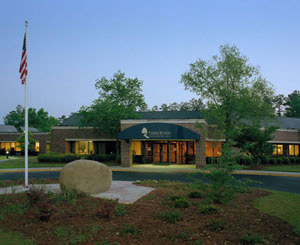
Keystone Substance Abuse Services |
199 South Herlong Avenue Rock Hill, SC 29732 |
Detox Service Setting
Inpatient DetoxOutpatient DetoxMAT
|
Levels Of Care
OutpatientInpatientAftercare+1
|
|
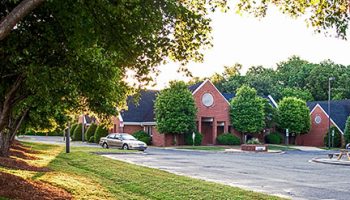
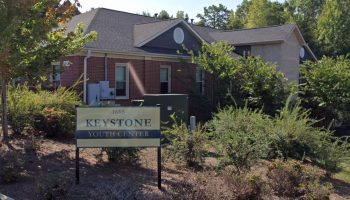
Keystone Youth Center |
1668 Herlong Court Rock Hill, SC 29732 |
Detox Service Setting
Inpatient DetoxOutpatient Detox
|
Levels Of Care
InpatientOutpatientAftercare+2
|
|
Serenity Club of York County |
209 Grayson Rd Rock Hill, SC 29732 |
Detox Service Setting
Inpatient DetoxOutpatient Detox
|
Levels Of Care
InpatientOutpatient
|
|
York County Treatment Center |
377 Rubin Center Drive Fort Mill, SC 29715 |
Detox Service Setting
Outpatient DetoxMAT
|
Levels Of Care
Outpatient
|
|
Rebound Behavioral Health Hospital |
134 East Rebound Road Lancaster, SC 29720 |
Detox Service Setting
Inpatient DetoxOutpatient DetoxMAT
|
Levels Of Care
InpatientPHPDual Diagnosis
|
|
The Blanchard Institute |
10348 Park Road Charlotte, NC 28210 |
Detox Service Setting
Inpatient DetoxOutpatient Detox
|
Levels Of Care
InpatientOutpatientPHP+2
|
|
McLeod Addictive Disease Center – Outpatient |
521 Clanton Road Charlotte, NC 28217 |
Detox Service Setting
Inpatient DetoxOutpatient Detox
|
Levels Of Care
InpatientOutpatientAftercare
|
|
New Season Treatment Center – Charlotte |
3315 Wilkinson Boulevard Charlotte, NC 28208 |
Detox Service Setting
Outpatient DetoxMAT
|
Levels Of Care
Outpatient
|
|
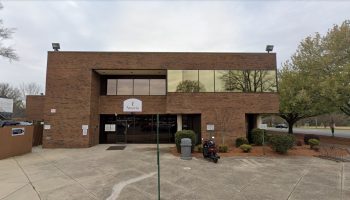
Anuvia Prevention and Recovery Center |
100 Billingsley Road Charlotte, NC 28211 |
Detox Service Setting
Inpatient DetoxOutpatient Detox
|
Levels Of Care
InpatientOutpatientAftercare+3
|
|
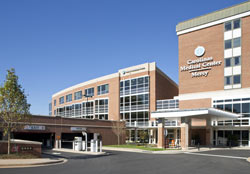
Carolinas Medical Center |
2001 Vail Avenue Charlotte, NC 28207 |
Detox Service Setting
Hospital DetoxMATInpatient Detox
|
Levels Of Care
InpatientPHPIntensive Outpatient+1
|
|
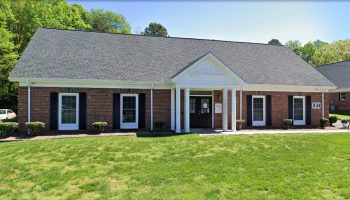
New Season Gastonia Treatment Center |
238 Wilmot Drive Gastonia, NC 28054 |
Detox Service Setting
Outpatient Detox
|
Levels Of Care
Outpatient
|
|
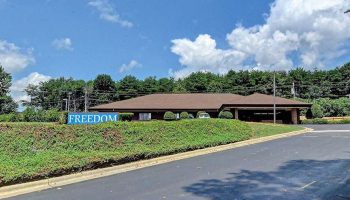
Freedom Detox |
1089 X Ray Drive Gastonia, NC 28054 |
Detox Service Setting
Inpatient Detox
|
Levels Of Care
InpatientAftercareDual Diagnosis
|
|
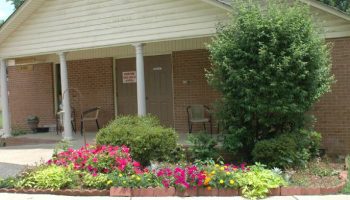
The Gastonia’s Potter’s House |
54 Burmill Rd Gastonia, NC 28054 |
Detox Service Setting
Inpatient DetoxOutpatient Detox
|
Levels Of Care
InpatientOutpatient
|
|
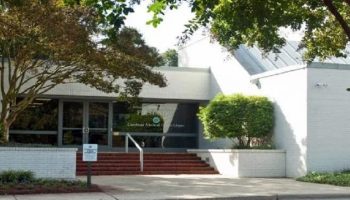
First Step at Carolinas Medical Center Union |
1623 East Sunset Drive Monroe, NC 28112 |
Detox Service Setting
Inpatient DetoxOutpatient DetoxMAT
|
Levels Of Care
InpatientPHPOutpatient+1
|
|
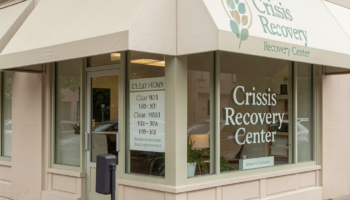
Crisis Recovery Center |
1408 East Franklin Street Monroe, NC 28112 |
Detox Service Setting
Hospital DetoxInpatient Detox
|
Levels Of Care
Inpatient
|
|
Rock Hill’s detox and addiction treatment system is built around a single primary authority: Keystone Substance Abuse Services, the Act 301 county alcohol and drug abuse authority for York County.
Established in 1969 and headquartered on South Herlong Avenue, Keystone is licensed by both the South Carolina Department of Health and Environmental Control (DHEC) and accredited by the Commission on Accreditation of Rehabilitation Facilities (CARF). The facility operates 10 medically supervised withdrawal management beds and 4 residential beds, making it the only publicly funded detox provider in York County.
At the state level, the Department of Alcohol and Other Drug Abuse Services (DAODAS) oversees all licensed SUD treatment facilities across South Carolina’s 46 counties and funds Keystone through its county authority network.
York County is on a troubling trajectory, making understanding local resources especially important. The York County Coroner reported 118 overdose deaths in 2023, up from 111 in 2022, and fentanyl was a primary driver in the majority of those deaths.
York County was also listed among the 15 South Carolina counties where overdose deaths increased in 2023, even as the state as a whole saw its first overall decline in over a decade.
It’s important to keep in mind that fentanyl contamination of the local drug supply means that people using stimulants, benzodiazepines or other substances face opioid overdose risk even when opioids are not their primary substance.
South Carolina’s opioid settlement fund (SCORF) has been distributing grant funding to counties since 2023 for evidence-based abatement strategies, and York County is eligible to apply for these funds, which can support expanded detox capacity, MAT access and harm reduction programming.
For people without insurance or with limited income, choosing a detox center is a question that often starts at Keystone, which accepts Medicaid, Medicare and sliding-scale payments.
Private facilities serving Rock Hill often pull from the broader Charlotte, NC, metro market, given the city’s proximity to the state line, expanding the realistic options for residents with private insurance or the ability to travel.
Detox costs in Rock Hill vary considerably based on level of care, length of stay and whether treatment is provided at a publicly funded county facility or a private program.
For this reason, understanding your detox treatment costs before admission helps you avoid unexpected bills and identify the right level of care for your situation.
Cost in Rock Hill is shaped by proximity to the Charlotte metro area, which brings a mix of large private health systems and smaller community providers into the market.
Keystone Substance Abuse Services, the county-funded option, charges on a sliding scale based on income and can reduce costs to near zero for qualifying residents. Whereas, private detox programs in and around York County generally align with statewide South Carolina cost ranges.
Furthermore, the substance being treated, the presence of co-occurring medical or psychiatric conditions and the intensity of medical monitoring all affect the final cost.
Private insurers operating in South Carolina must comply with the Affordable Care Act’s mental health parity requirements, meaning substance use disorder treatment coverage must be comparable to coverage for other medical conditions. The South Carolina Department of Insurance oversees compliance.
Residents can verify in-network providers and coverage specifics through the South Carolina health insurance marketplace.
The most common commercial insurers active in Rock Hill and York County include:
Medicare covers inpatient and outpatient detox services in Rock Hill, as well as Opioid Treatment Program (OTP) services, including methadone, buprenorphine and naltrexone under Part B.
Out-of-pocket costs depend on the specific treatment setting and your Medicare plan or supplement coverage.
South Carolina Medicaid, called Healthy Connections, covers detox, inpatient rehabilitation, intensive outpatient programs and MAT for eligible residents. Coverage includes buprenorphine, methadone through certified OTPs, and naltrexone.
As of December 2024, Healthy Connections also covers telehealth-delivered SUD treatment, including both video and audio-only appointments, improving access for people in York County who lack reliable transportation.
Do not let cost be a reason to delay detox or treatment in Rock Hill.
Several alternatives exist for people who lack private insurance or cannot cover full out-of-pocket costs:

Keystone Substance Abuse Services uses a sliding fee scale based on household income and federal poverty guidelines, making medically supervised withdrawal management accessible to low- and moderate-income York County residents.
DAODAS works with Keystone as the York County authority to fund low-cost or no-cost services for people who lack insurance. Contact Keystone directly at 803-324-1800 to initiate an intake assessment.
Since 2023, SCORF has been distributing opioid settlement funds to South Carolina counties for evidence-based treatment and harm reduction. York County is eligible to apply for grant funding through this program, which can support expanded treatment access.
Eligible veterans in the Rock Hill area can access substance use disorder treatment through the VA’s broader Charlotte, NC network. The VA covers medically supervised detox, MAT and residential programs for qualifying veterans.
Several private treatment programs serving the Rock Hill market offer payment plans or can connect clients with healthcare financing options to spread out costs over time.
Several regulatory and accreditation bodies oversee detox and SUD treatment in Rock Hill and South Carolina:
DAODAS is the state Single State Authority for substance use prevention, treatment, and recovery. It licenses all county alcohol and drug abuse authorities, oversees the network of 28 Opioid Treatment Programs (OTPs) statewide and administers federal block grants for SUD services.
Keystone Substance Abuse Services in Rock Hill operates as the DAODAS-designated Act 301 authority for York County.
DPH licenses and regulates addiction treatment facilities as part of its broader healthcare facility oversight role.
DPH also coordinates overdose surveillance, manages the statewide naloxone distribution program and co-leads the Governor’s Opioid Emergency Response Team alongside DAODAS.
LLR oversees the professional licensing boards that credential clinicians working in detox and SUD treatment settings, including the Board of Medical Examiners and the Board of Examiners for Licensure of Addiction Counselors. LLR ensures physicians prescribing MAT and addiction counselors providing clinical care hold valid, current licensure.
The York County Health Department collaborates with state agencies on public health monitoring, including surveillance of overdose trends.
The department works alongside DPH and DAODAS to coordinate local overdose prevention resources and ensures county residents have access to naloxone and fentanyl test strips at no cost.
Keystone Substance Abuse Services holds CARF accreditation, the gold standard for behavioral health and SUD treatment programs. CARF accreditation signals that a facility has undergone a rigorous independent review of clinical quality, safety and organizational practices.
Medication-assisted treatment in Rock Hill follows both federal SAMHSA guidelines and South Carolina state regulations administered by DAODAS and DPH.
MAT providers must comply with SAMHSA’s Opioid Treatment Program rules under 42 CFR Part 8, and South Carolina requires that MAT be delivered alongside behavioral counseling and recovery support services.
Widely available in Rock Hill through Keystone and private outpatient providers. As of December 2024, South Carolina Healthy Connections Medicaid covers buprenorphine via telehealth across all major modalities, significantly lowering access barriers for York County residents with transportation challenges.
Restricted to certified OTPs. Patients must visit a licensed clinic for daily supervised dosing during early treatment. Methadone is covered by Healthy Connections Medicaid in South Carolina, making it financially accessible for low-income residents despite the logistical requirements.
Available without the OTP restrictions that apply to methadone. Both the oral form and the monthly injectable (Vivitrol) can be prescribed by standard outpatient providers. Naltrexone is a Medicaid-covered option and is frequently used in legal diversion and post-incarceration programs in York County.
York County has active harm reduction programs working to reduce overdose deaths in Rock Hill, though the infrastructure is less concentrated than in larger metro areas.
Given that fentanyl was involved in the majority of the county’s 118 overdose deaths in 2023, access to naloxone and fentanyl test strips is a front-line priority. Several programs and agencies make these tools available to residents at no cost.
The South Carolina Department of Public Health distributes free OD safety kits at all county health clinics across the state, including the York County location.
No personal information or identification is required to receive a kit. Residents can call the DPH Care Line at 1-855-472-3432 to locate the nearest clinic.
Keystone provides overdose education and naloxone to clients at discharge and through its broader community outreach.
As the county authority for York County, Keystone also connects residents to the statewide DAODAS naloxone distributor network for ongoing supply.
This state-supported program helps South Carolina residents locate free or low-cost naloxone near them.
York County residents can use the interactive map to find the closest community distributor, ensuring access even when the health department is closed.
DAODAS manages a statewide network of community naloxone distributors, several of which operate in the York County area.
Organizations and individuals can contact DAODAS to request supplies or locate the nearest distribution point in Rock Hill.
York County faces a worsening overdose crisis driven heavily by fentanyl, even as South Carolina as a whole recorded its first statewide decline in overdose deaths in over a decade.
These figures reflect the scope of the problem and the need for accessible detox and harm reduction resources in Rock Hill.
York County Coroner Sabrina Gast reported 117 overdose deaths in 2023, with fentanyl identified as a primary driver in the majority of those cases.
Fentanyl was involved in 1,550 of South Carolina’s 2,157 overdose deaths in 2023, approximately 72% of all drug overdose fatalities, reflecting the contaminated supply affecting York County.
South Carolina recorded 2,157 drug overdose deaths in 2023, down from 2,296 in 2022, the first statewide decline since 2012. York County did not share in this improvement.
Yes. Keystone Substance Abuse Services at 199 South Herlong Avenue is the DAODAS-designated county authority for York County and uses a sliding scale fee structure based on household income.
Eligible residents may qualify for state-funded services at little to no cost. Call 803-324-1800 to start an intake assessment.
Keystone operates 10 medically supervised withdrawal management beds and 4 residential beds.
Capacity is limited for a city of Rock Hill’s size, so contacting Keystone directly is the fastest way to check availability.
For people with private insurance, private residential programs in the broader Charlotte metro area are also accessible options.
Call 911 immediately. If naloxone is available, administer it while waiting for EMS
South Carolina has a Good Samaritan law that provides limited immunity to people who call 911 during an overdose.
Free overdose safety kits with naloxone and fentanyl test strips are available at the York County DPH health clinic with no ID or personal information required.
Yes. Keystone offers outpatient medication-assisted treatment, including buprenorphine and naltrexone for eligible adults 18 and older, as well as intensive outpatient programming.
Not everyone needs residential detox before beginning MAT. An intake assessment at Keystone will determine the appropriate level of care based on your medical history and substance use.
Yes. Rock Hill sits just south of the North Carolina border, and many private treatment programs in the Charlotte metro area are accessible to York County residents.
If you have private insurance, it is worth verifying out-of-state network coverage with your insurer, as some plans may cover Charlotte-area facilities. DAODAS-funded services through Keystone remain specific to South Carolina residency.
Yes. Keystone’s withdrawal management services include medically monitored detox for opioids and fentanyl-involved opioid use disorder is treated using the same MAT medications, primarily buprenorphine and methadone, used for other opioid dependencies.
Given fentanyl’s prevalence in York County’s drug supply, staff are experienced with managing complex opioid withdrawal presentations.