800-671-4304
Overdoses and Naloxone Use Both Decline, National Study Finds
Published: 10/23/2026
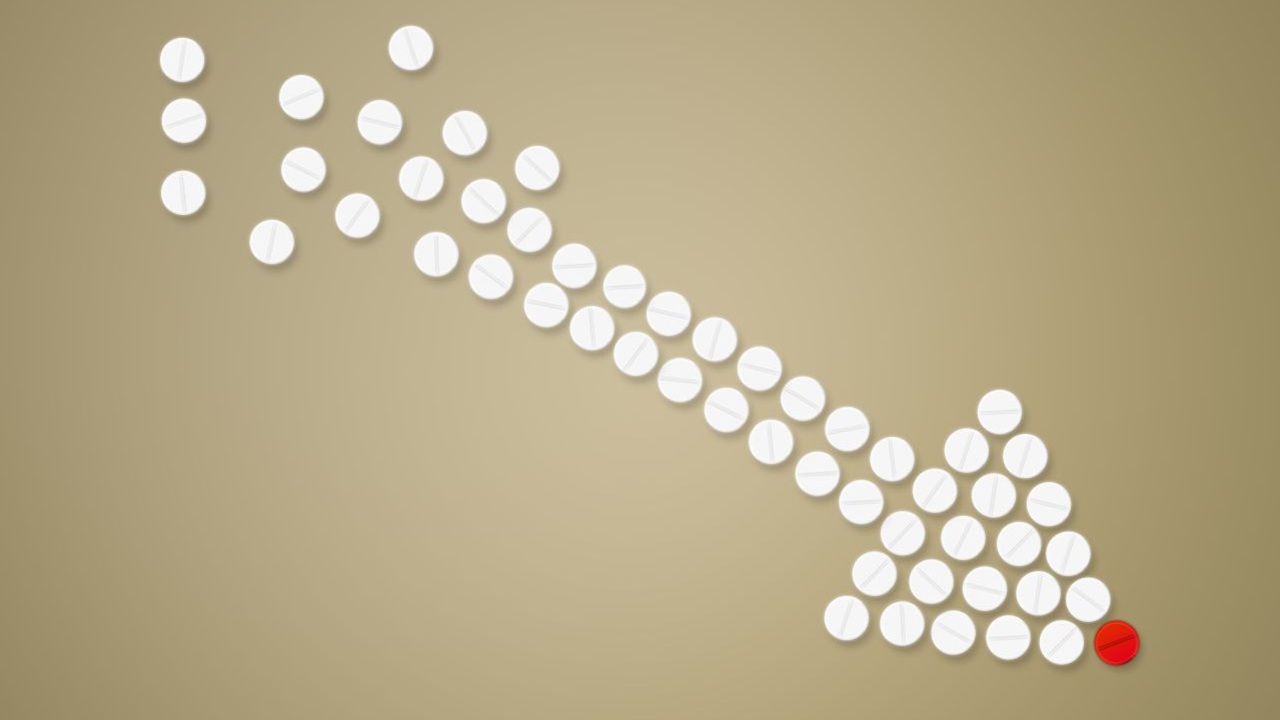
New research shows that nonfatal drug overdoses responded to by emergency medical services dropped after May 2023, and naloxone alongside them. On the surface, it’s good news that fewer overdoses are happening. But there’s also the question about whether access to the overdose reversal drug is keeping pace with decline.
Good News
Researchers at Brown University and Virginia Commonwealth University crunched numbers from the National Emergency Medical Services Information System data from 2020-2025. The stats covered 5,324 EMS agencies, 185.9 million EMS activations, 2.5 million nonfatal overdoses and 1.4 million naloxone administrations.
Using May 2023 as the interruption point, nonfatal drug overdoses ran 21% below projected levels afterward, and overdoses for opioids like fentanyl ran 32.7% below. Total naloxone administrations were 21.3% below projected levels.
Naloxone Drops
However, naloxone given by bystanders, family, or friends before EMS arrived declined 40.6% below projected levels overall and 28.6% below per overdose. That can raise a red flag because it defied the earlier increases as governments made naloxone more available.
Do note that NEMSIS stopped consistently recording who gave naloxone after March 2025. The study also doesn’t offer a cause/effect relationship and overdoses handled entirely by bystanders without 911 don’ t show up.
Watch These Signals
Naloxone reverses an opioid overdose in minutes by restoring breathing. It doesn’t treat the underlying opioid dependence or other substances mixed with opioids. Effects can wear off while opioids remain in the body.
Folks who survive an overdose often turn to withdrawal management and treatment to start real recovery. Supervised detox settings stabilize people during withdrawal and connect them to ongoing care that lasts even when they graduate the program.
Help Exists Today
Remember that withdrawal shouldn’t be managed by yourself. Medication options exist that make it safer and more tolerable.
Getting started is made easier with our online directory that features detox centers in all 50 states. You can also dial 800-996-6135 to find a supervised detox program alongside expert guidance.