Find Drug & Alcohol Detox Centers in Pennsylvania


Detox Centers in Pennsylvania

213 Results
Filters
Setting
Medications Offered
Treatment
Programs
Payment Options
Name Address Detox Service Setting Levels Of Care Media

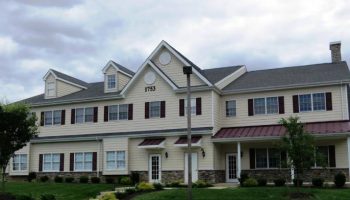
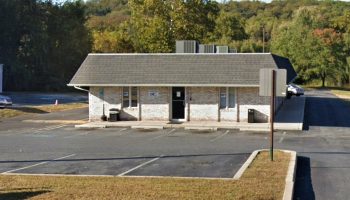
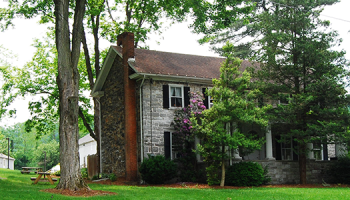
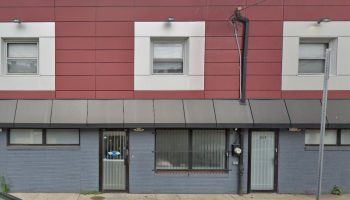
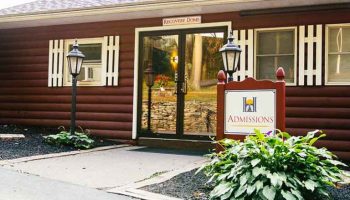
Avenues Recovery Center at Bucks

1753 Kendarbren Dr STE 612 Jamison, PA 18929
Detox Service Setting
Inpatient DetoxOutpatient Detox
Levels Of Care
InpatientOutpatient
Avenues Recovery Center at Bucks

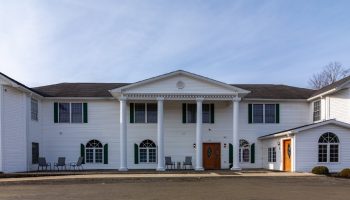
Avenues Recovery Center at Lake Ariel

50 Industrial Park Road Lake Ariel, PA 18436
Detox Service Setting
Inpatient DetoxOutpatient DetoxMAT
Levels Of Care
InpatientOutpatientIntensive Outpatient+3
Avenues Recovery Center at Lake Ariel

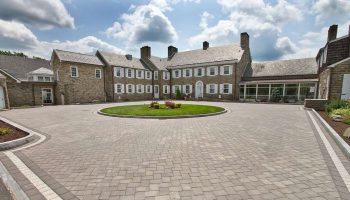
Banyan Treatment Centers – Philadelphia

100 North Bucks Town Drive Langhorne, PA 19047
Detox Service Setting
Inpatient DetoxOutpatient Detox
Levels Of Care
InpatientOutpatientIntensive Outpatient+2
Banyan Treatment Centers – Philadelphia

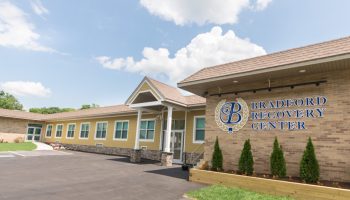
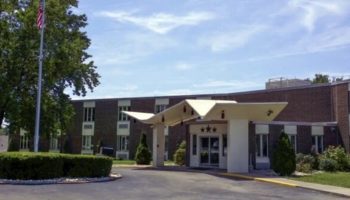
Bradford Recovery Center

64 School Street Millerton, PA 16936
Detox Service Setting
Inpatient DetoxOutpatient DetoxMAT
Levels Of Care
InpatientOutpatientPHP
Bradford Recovery Center

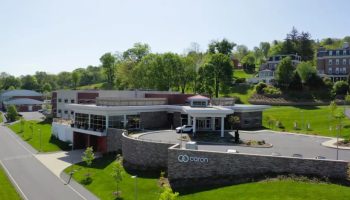
Caron Treatment Centers

243 North Galen Hall Road Wernersville, PA 19565
Detox Service Setting
Inpatient DetoxOutpatient DetoxMAT
Levels Of Care
InpatientOutpatientAftercare+3
Caron Treatment Centers

Clearbrook Treatment Center

1100 East Northampton Street Laurel Run, PA 18706
Detox Service Setting
Inpatient DetoxOutpatient DetoxMAT
Levels Of Care
InpatientOutpatientPHP+3
Clearbrook Treatment Center

Coatesville Comprehensive Treatment Center

1825 Lincoln Highway Coatesville, PA 19320
Detox Service Setting
Outpatient DetoxMAT
Levels Of Care
OutpatientDual Diagnosis
Coatesville Comprehensive Treatment Center

Cove Forge Behavioral Health Center

202 Cove Forge Road Williamsburg, PA 16693
Detox Service Setting
Inpatient DetoxMAT
Levels Of Care
InpatientPHPOutpatient+1
Cove Forge Behavioral Health Center

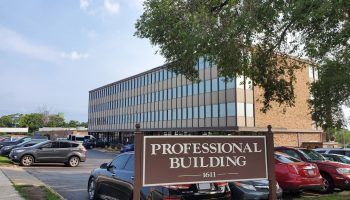
Crossroads of Erie

1611 Peach Street Erie, PA 16501
Detox Service Setting
Outpatient Detox
Levels Of Care
Outpatient
Crossroads of Erie

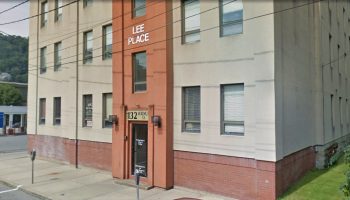
Crossroads of Johnstown

132 Walnut Street Johnstown, PA 15901
Detox Service Setting
Outpatient Detox
Levels Of Care
OutpatientAftercare
Crossroads of Johnstown

Crossroads | Philadelphia

2317 E Westmoreland St Philadelphia, PA 19134
Detox Service Setting
Inpatient DetoxOutpatient Detox
Levels Of Care
InpatientOutpatient
Crossroads | Philadelphia

Geisinger Marworth

12 Lily Lake Road Waverly, PA 18471
Detox Service Setting
Inpatient DetoxOutpatient Detox
Levels Of Care
InpatientOutpatientAftercare+3
Geisinger Marworth

Greenbriar Treatment Center Washington

800 Manor Drive Washington, PA 15301
Detox Service Setting
Inpatient Detox
Levels Of Care
InpatientDual Diagnosis
Greenbriar Treatment Center Washington

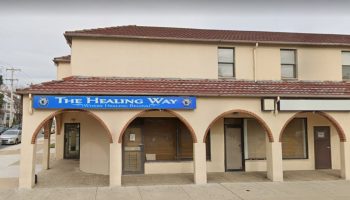
Healing Way

7900 Frankford Avenue Philadelphia, PA 19136
Detox Service Setting
Outpatient Detox
Levels Of Care
OutpatientDual Diagnosis
Healing Way

Huntington Creek Recovery Center

890 Bethel Hill Road Shickshinny, PA 18655
Detox Service Setting
Inpatient DetoxMAT
Levels Of Care
Inpatient
Huntington Creek Recovery Center

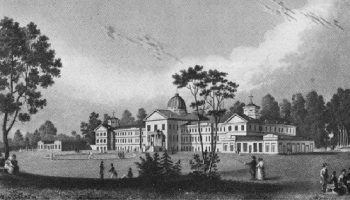
Kirkbride Center

111 North 49th Street Philadelphia, PA 19139
Detox Service Setting
Inpatient DetoxMAT
Levels Of Care
Inpatient
Kirkbride Center

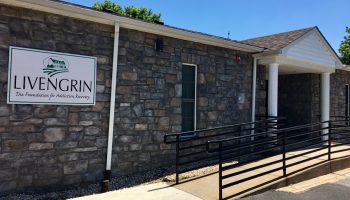
Livengrin Foundation

9140 Academy Road Philadelphia, PA 19136
Detox Service Setting
Outpatient DetoxInpatient DetoxMAT
Levels Of Care
OutpatientAftercareDual Diagnosis+5
Livengrin Foundation

Livengrin Foundation – Addiction Treatment Centers and Detox Centers

4833 Hulmeville Road Bensalem, PA 19020
Detox Service Setting
Hospital DetoxInpatient DetoxOutpatient Detox+1
Levels Of Care
InpatientOutpatientPHP+5
Livengrin Foundation – Addiction Treatment Centers and Detox Centers

Malibu Wellness Ranch

351 Foster Hill Road Milford, PA 18337
Detox Service Setting
Inpatient DetoxOutpatient DetoxMAT
Levels Of Care
InpatientOutpatientIntensive Outpatient+3
Malibu Wellness Ranch

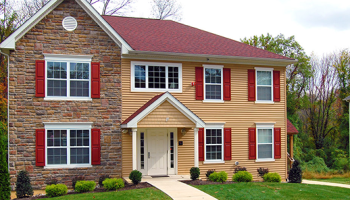
Malvern Addiction Treatment Center

940 West King Road Malvern, PA 19355
Detox Service Setting
Inpatient DetoxOutpatient Detox
Levels Of Care
InpatientOutpatientAftercare+2
Malvern Addiction Treatment Center

Drug & Alcohol Detox in Pennsylvania

Pennsylvania runs its substance use system through the Department of Drug and Alcohol Programs (DDAP), the Single State Authority that licenses every drug and alcohol treatment facility and recovery house in the Commonwealth and sets the standards providers must meet.

DDAP also funds a statewide network of 47 county drug and alcohol offices, known as Single County Authorities, that coordinate assessment, case management, and access to treatment.

Anyone choosing a detox center can start with the free Get Help Now helpline at 1-800-662-HELP, answered around the clock.

Pennsylvania pairs a large treatment network with a deep public safety net. The state expanded Medicaid, and Pennsylvania Medical Assistance covers the full continuum of substance use care, delivered through HealthChoices managed care with behavioral health handled by county-based plans.

The state has also built one of the country’s most active overdose prevention programs, supplying free naloxone and drug-checking strips to more than 100 partner organizations across all 67 counties.

These efforts are showing results. Overdose deaths in Pennsylvania have fallen by nearly a third over three years, one of the sharpest declines in the nation. Fentanyl, often mixed with xylazine, still drives the crisis, which is why medically supervised detox matters.

Admission to treatment in Pennsylvania usually begins with an assessment that assigns an American Society of Addiction Medicine (ASAM) level of care to match the setting to a person’s needs.


Paying for Detox in Pennsylvania

Paying for detox in Pennsylvania is more manageable than many people expect, between expanded Medical Assistance, commercial insurance parity protections, and DDAP-funded county programs that serve uninsured residents. Understanding how much detox costs and the assistance options below can help you plan before treatment begins.

How Much Does Detox Cost in Pennsylvania?

The cost of detox in Pennsylvania depends on the level of medical supervision, the substance involved, the length of stay, and whether care happens in a hospital, a residential facility, or an outpatient setting. Alcohol and benzodiazepine withdrawal often require closer monitoring, which raises the cost, and urban areas such as Philadelphia and Pittsburgh tend to run higher than rural counties.

The figures below are full cash-pay (self-pay) rates before insurance, Medical Assistance, Medicare, or county funding is applied. Most people with coverage pay far less, and many qualify for care at no cost.

$140,000
Medical Detox
$50,000
Inpatient Rehab
$8,000
Outpatient Rehab
$7,000
Methadone Treatment

Medicare and Medicaid in Pennsylvania

Medicare

Medicare covers medically necessary detox for Pennsylvania residents. Part A pays for inpatient hospital withdrawal management. Part B covers outpatient services, including opioid treatment program care that provides methadone, buprenorphine, and naltrexone.

Medicare Advantage plans sold in Pennsylvania must offer at least the same coverage. Your out-of-pocket cost depends on the setting, the services received, and your plan’s deductibles and coinsurance.

Medicaid

Pennsylvania Medical Assistance, the state Medicaid program, covers medically supervised withdrawal, residential treatment, outpatient services, and medication-assisted treatment. Coverage is delivered through HealthChoices managed care, with behavioral health services administered by county-based behavioral health plans, and some services may require prior authorization.

Pennsylvania also funds Centers of Excellence that coordinate opioid use disorder care for Medical Assistance members.

Other Ways to Pay for Detox Treatment

Pennsylvania funds a broad public safety net so that cost is not a barrier to starting detox. Beyond commercial insurance and Medical Assistance, several options help people pay for care:

County Drug and Alcohol Offices (SCAs)

DDAP funds 47 Single County Authorities, the county drug and alcohol offices, which use state and federal block grant dollars to cover assessment, case management, and treatment for uninsured and underinsured residents. Your county office is the starting point for publicly funded detox.

Get Help Now Helpline and Warm Handoff

DDAP’s Get Help Now helpline (1-800-662-HELP) is free, confidential, and open around the clock, connecting residents to treatment and funding. Pennsylvania’s Warm Handoff program links people directly from hospital emergency departments to treatment after an overdose.

Sliding Scale and Community Providers

Federally Qualified Health Centers and nonprofit providers across Pennsylvania offer detox and outpatient services on a sliding fee scale tied to income, keeping care reachable for people without full coverage.

Veterans Programs

Enrolled veterans can access substance use treatment and medically supervised detox through the Philadelphia, Pittsburgh, Coatesville, Lebanon, Wilkes-Barre, Altoona, Butler, and Erie VA medical centers, with community care referrals when needed.

Pennsylvania Regulations and Accreditation for Detox

Detox and treatment programs in Pennsylvania are overseen by state agencies and credentialing bodies, with national accreditation adding a further layer of quality assurance. These are the primary bodies that regulate withdrawal management and addiction care across the Commonwealth:

Department of Drug and Alcohol Programs (DDAP)

DDAP is the Single State Authority for substance use services. It licenses every freestanding drug and alcohol treatment facility and recovery house in Pennsylvania under Title 4 of the state code, conducts inspections, and sets the standards providers must follow. See the DDAP licensing program.

Pennsylvania Department of Health

The Department of Health licenses hospitals that provide medically managed withdrawal, issues the statewide naloxone standing order, and oversees the Prescription Drug Monitoring Program that tracks controlled substance dispensing to support safe prescribing. See the Department of Health.

Pennsylvania Certification Board

The Pennsylvania Certification Board credentials the alcohol and drug counselors who staff the Commonwealth’s detox and treatment programs, verifying the education, supervised experience, and testing behind each counselor’s certification. See the Pennsylvania Certification Board.

National Accreditation: CARF and The Joint Commission

Beyond state oversight, many Pennsylvania detox and treatment providers voluntarily earn accreditation from CARF International or The Joint Commission. These independent bodies audit programs against national standards for safety, clinical quality, and outcomes, signaling externally-reviewed care.

Key MAT Medications and Regulatory Status in Pennsylvania

Medication-assisted treatment in Pennsylvania is regulated at the federal and state levels. Opioid treatment programs that dispense methadone must hold SAMHSA certification under 42 CFR Part 8 and register with the DEA, while DDAP licenses the programs and the state Prescription Drug Monitoring Program tracks dispensing. Pennsylvania has widened access to medication-assisted treatment through telehealth and its Centers of Excellence, and the federal buprenorphine waiver has been eliminated.

Buprenorphine

Buprenorphine, often prescribed as Suboxone, is widely available in Pennsylvania through office-based providers, telehealth, and Centers of Excellence. This reach matters in rural counties far from a clinic. Pennsylvania Medical Assistance covers buprenorphine, making it a practical first step for opioid use disorder treatment.

Methadone

Methadone is dispensed only through SAMHSA-certified opioid treatment programs and is not available at retail pharmacies. Pennsylvania has a dense network of these programs in its metro areas, and Pennsylvania Medical Assistance covers methadone for eligible residents.

Naltrexone

Naltrexone, including the extended-release injection Vivitrol, blocks opioid effects and is not a controlled substance, so any licensed Pennsylvania prescriber can offer it in a standard outpatient setting. It treats both opioid and alcohol use disorder after withdrawal is complete, and Pennsylvania Medical Assistance covers it statewide.

Overdose Prevention and Harm Reduction in Pennsylvania

Pennsylvania has built one of the most active overdose prevention systems in the country. Because fentanyl, increasingly mixed with the sedative xylazine, drives the large majority of the state’s overdose deaths, Pennsylvania maintains a statewide standing order that lets pharmacists dispense naloxone without an individual prescription, funds a hub-and-spoke network that distributes free naloxone and test strips, and supports syringe services programs. These services often become a person’s first connection to detox and treatment.

Pennsylvania Department of Health Naloxone Access

Statewide naloxone standing order Free naloxone through partner sites Fentanyl and xylazine test strips Overdose response education

The Pennsylvania Department of Health maintains the statewide naloxone standing order, which lets any resident obtain naloxone at a pharmacy without an individual prescription, and supports free distribution and training across the Commonwealth.

Prevention Point Philadelphia

Syringe services and safe disposal Naloxone based on ability to pay HIV and hepatitis C testing Linkage to treatment and medication

Prevention Point Philadelphia is a nonprofit public health organization providing syringe services, naloxone, wound care, HIV and hepatitis C testing, and connections to medication for opioid use disorder and treatment.

Prevention Point Pittsburgh

Syringe access and safe disposal Free naloxone and training Statewide mail-to-home naloxone Referrals to treatment

Prevention Point Pittsburgh operates syringe services in Allegheny County and co-runs Pennsylvania’s mail-to-home naloxone program, sending free naloxone to residents in all 67 counties.

NEXT Distro

Mail-based naloxone for PA residents Overdose prevention education Fentanyl test strips Referrals to local services

NEXT Distro is an online harm reduction platform that partners with Pennsylvania to mail free naloxone and supplies to residents who cannot easily reach an in-person program.

Detox Statistics in Pennsylvania

Pennsylvania has made major progress in reducing the number of overdose deaths, though fentanyl keeps the danger high. These figures from state agencies show where Pennsylvania stands today.

Overdose Deaths Down Nearly 30%

Pennsylvania’s overdose deaths have declined by nearly 30 percent over three years, one of the steepest drops in the country, according to 2026 Department of Drug and Alcohol Programs.

17,600+ Overdoses Reversed

More than 17,600 overdoses have been reversed with naloxone supplied through DDAP’s Overdose Prevention Program and its network of over 100 partner organizations, per the 2026 Department of Drug and Alcohol Programs.

68,000 Connected From the ER

Pennsylvania’s Warm Handoff program has connected nearly 68,000 residents to treatment services directly from a hospital emergency department, according to the 2026 Department of Drug and Alcohol Programs.

FAQs About Detox in Pennsylvania

How do I get into detox in Pennsylvania without insurance?

Contact your county drug and alcohol office (Single County Authority), which uses DDAP block grant funding to cover assessment and treatment for uninsured residents. You can also call the Get Help Now helpline at 1-800-662-HELP, which is free, confidential, and open around the clock, and can help you enroll in Medical Assistance.

Is naloxone (Narcan) free in Pennsylvania?

Yes. Pennsylvania’s statewide standing order lets pharmacists dispense naloxone without an individual prescription, and DDAP’s partner organizations distribute it for free. Residents can also request free naloxone by mail through the state’s mail-to-home program with Prevention Point Pittsburgh and NEXT Distro.

Do I need inpatient detox, or is outpatient enough?

It depends on the substance, your withdrawal history, and any co-occurring conditions. Alcohol and benzodiazepine withdrawal can be life-threatening and often need inpatient care. Reviewing whether you really need inpatient detox with a clinician determines the safest level of care.

Does Pennsylvania Medical Assistance cover addiction treatment?

Yes. Pennsylvania Medical Assistance covers medically supervised withdrawal, residential treatment, outpatient services, and medication-assisted treatment. Coverage runs through HealthChoices managed care, with behavioral health administered by county-based plans, and some services may require prior authorization.

How long does detox take in Pennsylvania?

Most medically supervised detox lasts three to seven days, though timelines vary based on substance and severity. Opioid and alcohol withdrawal typically span several days, while some sedatives require a longer taper. Your care team adjusts the plan based on your symptoms and comprehensive medical needs.

Two people talking
Get Help Today!
If you or a loved one is in need of help, call today. Pick up the phone and get the help you need.
800-483-2193
Confidential. Available 24 Hours

Browse Detox Centers

Get Help Today Phone icon 800-779-4314