518-217-8415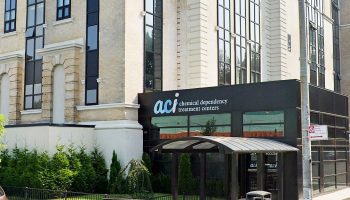
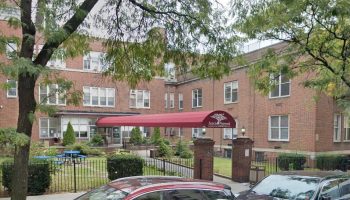




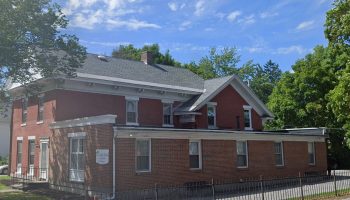
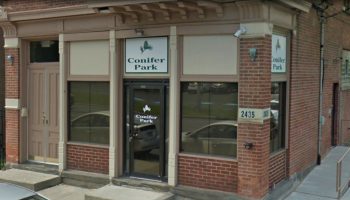
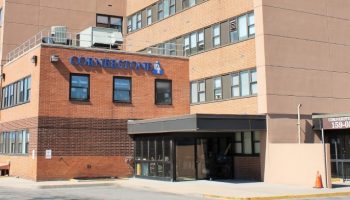
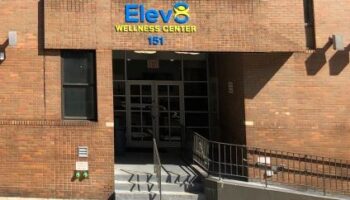




New York runs its substance use system through the Office of Addiction Services and Supports (OASAS), which certifies and monitors detox, residential, and outpatient programs statewide under Title 14 of the state code. Hospitals that provide medically managed withdrawal are licensed by the New York State Department of Health, and OASAS also credentials the counselors who staff these programs. Anyone choosing a detox center can start with the state HOPEline at 1-877-8-HOPENY, which is free and answered around the clock.
New York pairs one of the largest treatment networks in the country with a larhe public safety net. The state expanded Medicaid, and New York Medicaid covers the full continuum of care with no copays for substance use services delivered by OASAS-certified providers. New York has also invested heavily in overdose response, distributing hundreds of thousands of naloxone kits and millions of drug-checking test strips paid for with opioid settlement funds.
These efforts are showing results. Statewide overdose deaths dropped sharply in 2024, with the opioid death rate falling about a third from the year before. Fentanyl and other synthetic opioids still drive the crisis, which is why medically supervised detox matters. Admission usually begins with an assessment that assigns an American Society of Addiction Medicine (ASAM) level of care to match the setting to a person’s needs.