

 518-217-8415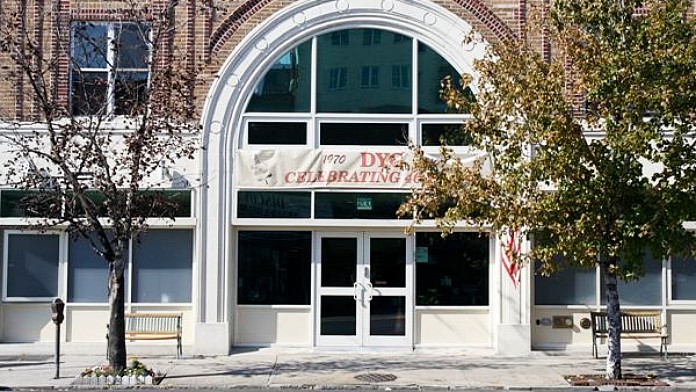
Dynamite Youth Center
Brooklyn, NY
11230

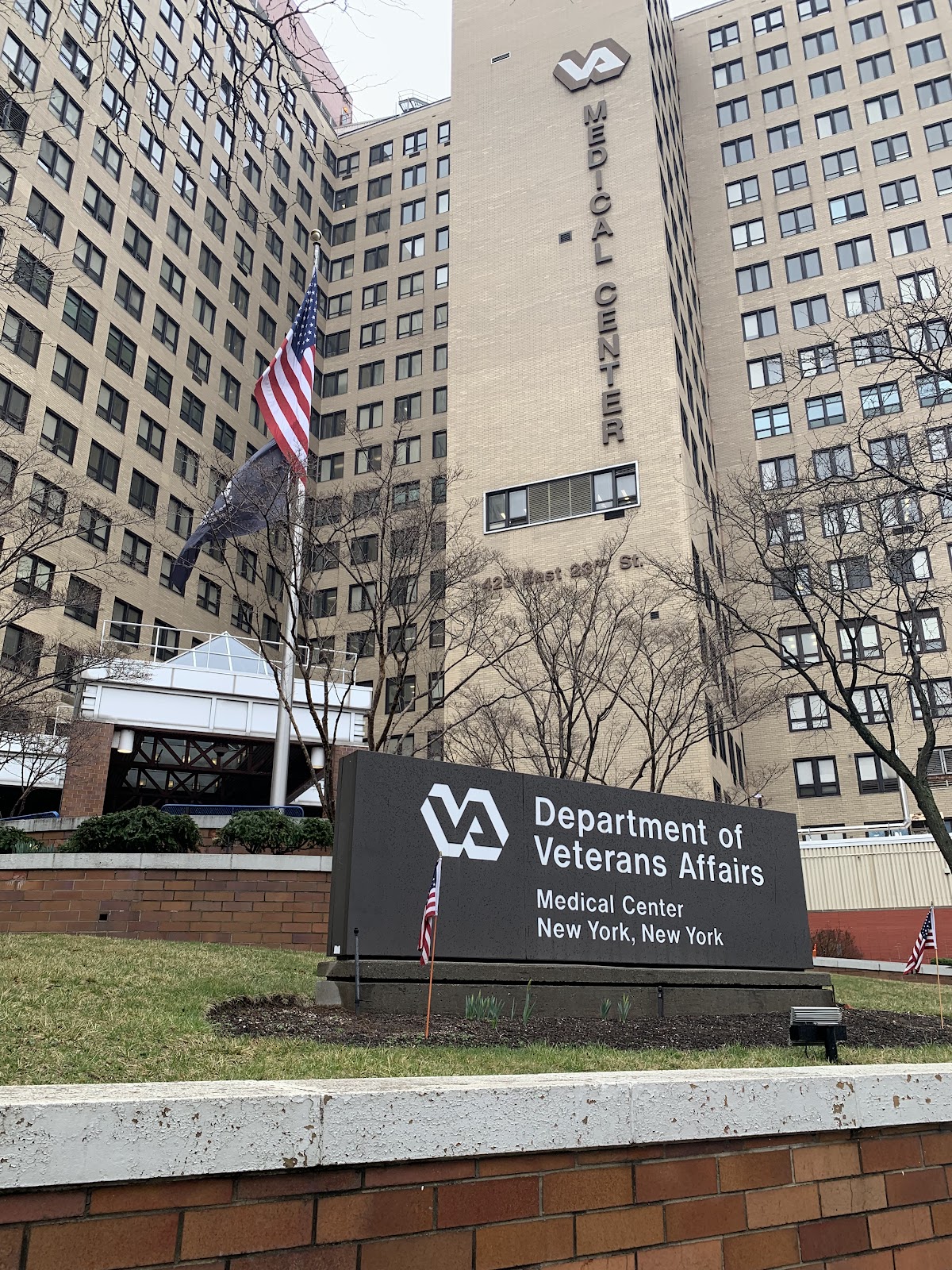
| Name | Address | Detox Service Setting | Levels Of Care | Media |
|---|---|---|---|---|
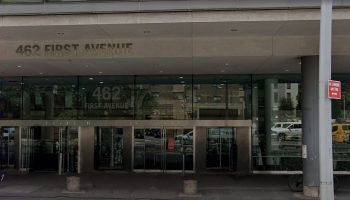
Bellevue Hospital Center Detoxification Services |
462 1st Avenue New York City, NY 10016 |
Detox Service Setting
Inpatient DetoxOutpatient Detox
|
Levels Of Care
InpatientOutpatient
|
|
Carnegie Hill Institute |
116 East 92nd Street New York City, NY 10128 |
Detox Service Setting
Outpatient Detox
|
Levels Of Care
OutpatientAftercareDual Diagnosis
|
|
Center for Comprehensive Health Practice |
1900 2nd Avenue New York City, NY 10029 |
Detox Service Setting
Outpatient Detox
|
Levels Of Care
OutpatientDual Diagnosis
|
|
Goddard Riverside The Baxter |
81-30 Baxter Avenue New York City, NY 11373 |
Detox Service Setting
Inpatient DetoxOutpatient Detox
|
Levels Of Care
InpatientOutpatientDual Diagnosis+1
|
|
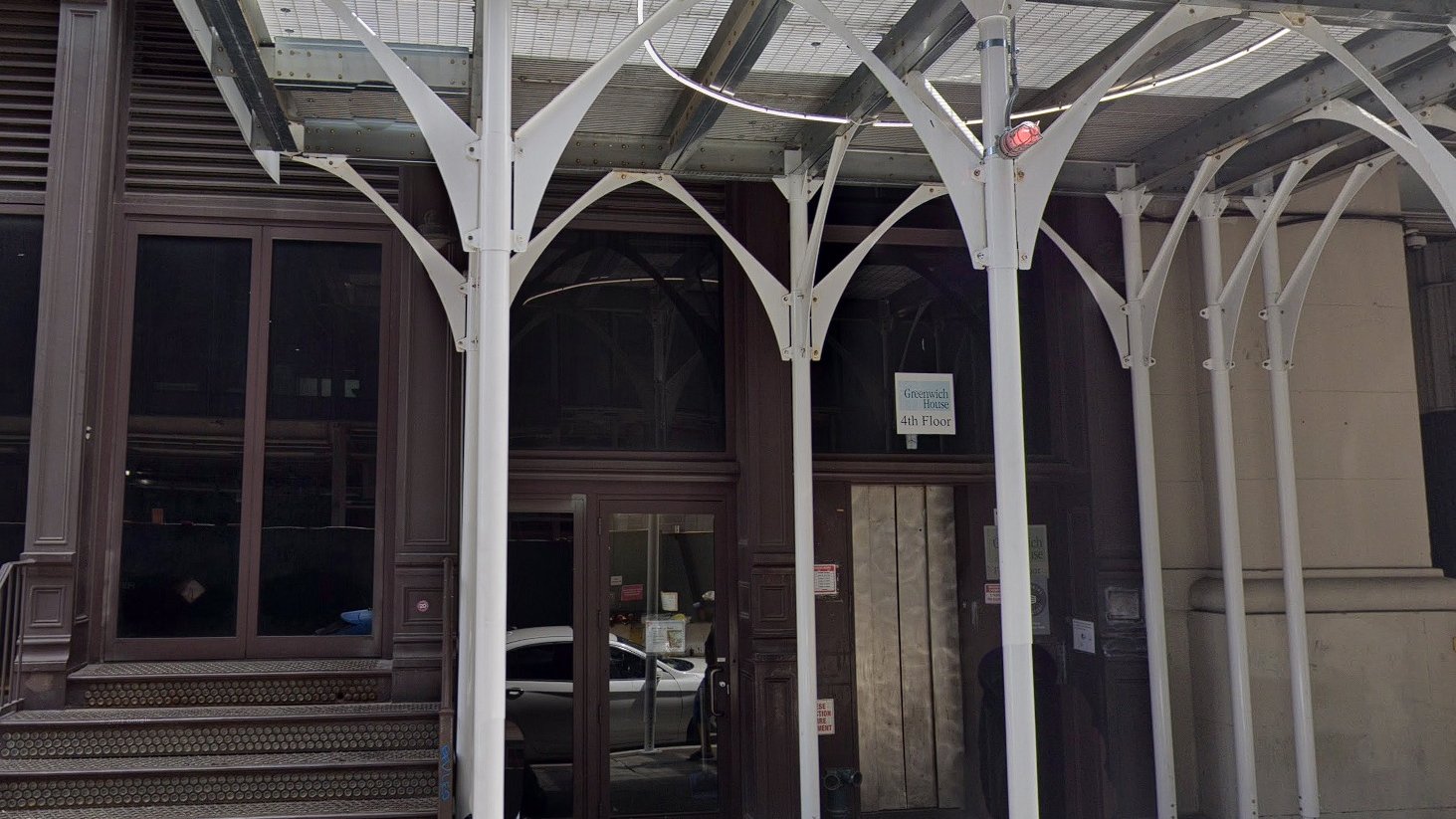
Greenwich House Methadone Maintenance Treatment Program |
190 Mercer Street New York City, NY 10012 |
Detox Service Setting
Outpatient Detox
|
Levels Of Care
OutpatientDual Diagnosis
|

|
Harlem East Life Plan |
2367-69 Second Avenue New York City, NY 10035 |
Detox Service Setting
Outpatient Detox
|
Levels Of Care
OutpatientDual Diagnosis
|
|
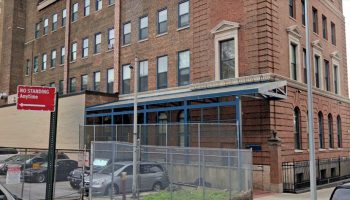
Lower Eastside Service Center Gouverneur Slip East |
7 Gouverneur Slip East New York City, NY 10002 |
Detox Service Setting
Inpatient DetoxOutpatient Detox
|
Levels Of Care
InpatientOutpatient
|
|
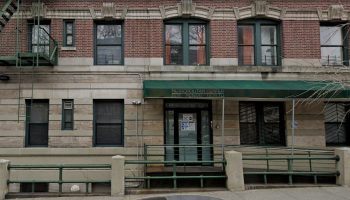
Metropolitan Center for Mental Health Saint Nicholas Avenue |
1090 Saint Nicholas Avenue New York City, NY 10032 |
Detox Service Setting
Outpatient Detox
|
Levels Of Care
OutpatientDual Diagnosis
|
|
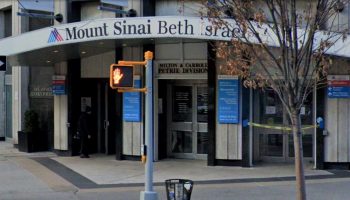
Mount Sinai Beth Israel |
281 First Avenue at 16th Street New York City, NY 10003 |
Detox Service Setting
Outpatient Detox
|
Levels Of Care
OutpatientAftercareDual Diagnosis
|
|
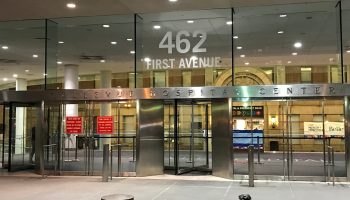
NYC Health Hospitals Bellevue |
462 1st Avenue New York City, NY 10016 |
Detox Service Setting
Inpatient DetoxOutpatient Detox
|
Levels Of Care
InpatientOutpatientDual Diagnosis
|
|
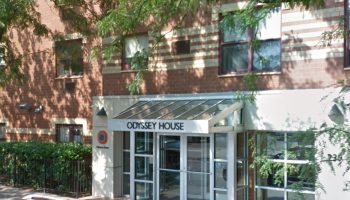
Odyssey House |
219 East 121st Street New York City, NY 10035 |
Detox Service Setting
Inpatient Detox
|
Levels Of Care
InpatientAftercareDual Diagnosis
|
|
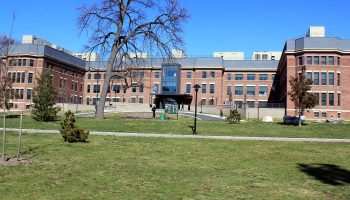
Odyssey House George Rosenfeld Center for Recovery |
13 Hell Gate Circle New York City, NY 10035 |
Detox Service Setting
Inpatient Detox
|
Levels Of Care
InpatientDual DiagnosisSober Living
|
|
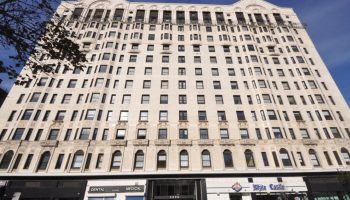
Samaritan Daytop Village Harlem Outpatient Treatment Program |
2090 Adam Clayton Powell Jr Boulevard New York City, NY 10027 |
Detox Service Setting
Outpatient Detox
|
Levels Of Care
OutpatientDual Diagnosis
|
|
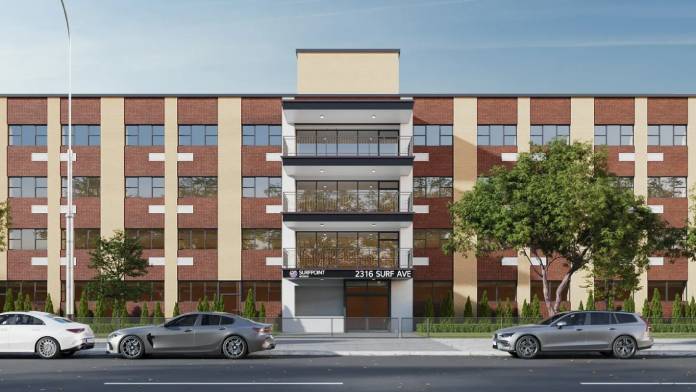
Surfpoint Recovery Inpatient and Rehab in Brooklyn |
2316 Surf Ave New York City, NY 11224 |
Detox Service Setting
|
Levels Of Care
|

|
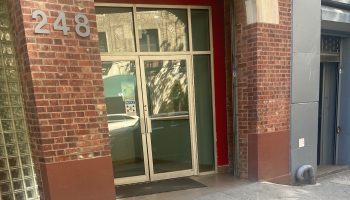
The Bridge Mental Health Clinic |
248 West 108th Street New York City, NY 10025 |
Detox Service Setting
Outpatient Detox
|
Levels Of Care
OutpatientAftercareDual Diagnosis
|
|
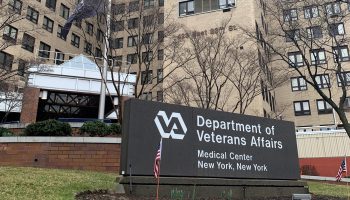
VA NY Harbor Health Care System Margaret Cochran Corbin Campus |
423 East 23 Street New York City, NY 10010 |
Detox Service Setting
Inpatient DetoxOutpatient DetoxMAT
|
Levels Of Care
InpatientPHPOutpatient+4
|
|
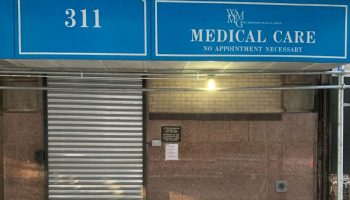
West Midtown Medical Group |
311 West 35th Street New York City, NY 10018 |
Detox Service Setting
Outpatient Detox
|
Levels Of Care
OutpatientDual Diagnosis
|
|
Center For Optimal Living |
370 Lexington Avenue Suite 500 New York, NY 10017 |
Detox Service Setting
Outpatient DetoxMAT
|
Levels Of Care
OutpatientDual DiagnosisAftercare
|
|
Inter Care Manhattan |
51 East 25th Street New York City, NY 10010 |
Detox Service Setting
Outpatient Detox
|
Levels Of Care
OutpatientDual Diagnosis
|
|
Mount Sinai Beth Israel Med Center 2 C |
435 2nd Avenue New York City, NY 10010 |
Detox Service Setting
Outpatient Detox
|
Levels Of Care
OutpatientAftercareDual Diagnosis
|
|
Phoenix House Queens |
34-25 Vernon Blvd New York City, NY 11106 |
Detox Service Setting
Inpatient DetoxOutpatient Detox
|
Levels Of Care
InpatientOutpatient
|
|
Realization Center New York |
19 Union Square West New York City, NY 10003 |
Detox Service Setting
Outpatient Detox
|
Levels Of Care
OutpatientDual Diagnosis
|
|
Samaritan Daytop |
500 8th Avenue New York City, NY 10018 |
Detox Service Setting
Outpatient Detox
|
Levels Of Care
OutpatientDual Diagnosis
|
|
START Treatment and Recovery Centers – Teen START |
119 W 124th St New York City, NY 10027 |
Detox Service Setting
Inpatient DetoxOutpatient Detox
|
Levels Of Care
InpatientOutpatient
|
|
START Treatment and Recovery Highbridge |
2406 Amsterdam Avenue New York City, NY 10033 |
Detox Service Setting
Outpatient Detox
|
Levels Of Care
OutpatientDual Diagnosis
|
|
Transcend Recovery Community |
343 W 71st St New York City, NY 10023 |
Detox Service Setting
Inpatient DetoxOutpatient Detox
|
Levels Of Care
InpatientOutpatient
|
New York City’s detox system runs under a single state framework with heavy local coordination. The New York State Office of Addiction Services and Supports (OASAS) certifies every withdrawal and stabilization program under Part 816.
Care is separated into three levels. Medically managed inpatient withdrawal is for people with severe or high-risk withdrawal, medically supervised inpatient withdrawal for moderate cases, and medically supervised outpatient withdrawal.
Programs use the state’s LOCADTR 3.0 tool to match each person to the right setting, so where you begin often depends on that assessment rather than on which facility you call first. Choosing a detox center in a city this size is easier when you understand these levels going in.
Geography influences your access to treatment. Overdose deaths are concentrated in the Bronx, Upper Manhattan, and Central Brooklyn, and the Bronx has carried the city’s highest rate for years. Most OASAS-certified hospitals and freestanding programs sit on subway and bus lines, which helps when you don’t have a car or a support person.
Recent policy has widened access to care. A 2024 state law now requires commercial insurers to pay OASAS-certified outpatient programs at rates at least as high as Medicaid. New York City is also home to the country’s first two sanctioned overdose prevention centers, opened in East Harlem and Washington Heights in 2021, part of a broader shift toward harm reduction and low-barrier care.
New York City sits among the higher-cost treatment markets in the Northeast, but the sticker price rarely reflects what a given person actually pays. Between Medicaid, commercial insurance parity rules, and a large network of publicly funded programs, most New Yorkers pay a fraction of full cost, and several routes exist for people with no coverage at all.
The cost of detox in New York City depends on the level of care, how severe withdrawal is, and whether treatment happens in a hospital, a freestanding residential program, or an outpatient clinic. Medical complexity, length of stay, and medication needs all move the number. If you are weighing options, it helps to understand how much detox costs before you call a program.
The figures below are full cash-pay (self-pay) rates before insurance, Medicaid, Medicare, or other aid. Most people with coverage pay significantly less, and publicly funded programs may cost nothing.
Medicare covers inpatient hospital detox under Part A and outpatient withdrawal management and counseling under Part B. Since 2020, Part B has also covered opioid treatment program services, including methadone, and Part D covers buprenorphine and naltrexone prescriptions. Copays, coinsurance, and deductibles depend on your specific plan and the setting where care is delivered.
New York Medicaid covers the full detox continuum at no cost to the member, including medically managed and medically supervised inpatient withdrawal, outpatient withdrawal, residential rehabilitation, and medication-assisted treatment.
Buprenorphine requires no prior authorization under state law. Most enrollees receive these benefits through a Medicaid Managed Care plan, which may require authorization for some inpatient levels of care.
Cost should not keep anyone in New York City from starting detox. Several options exist for people without private insurance or the means to self-pay:

Many Federally Qualified Health Centers and OASAS-certified nonprofit providers across the five boroughs set fees on a sliding scale tied to income and household size. Large community providers such as Samaritan Daytop Village operate treatment sites throughout the city so uninsured residents can pay based on what they can afford.
NYC Health and Hospitals, the city’s public hospital system, provides detox and withdrawal management at facilities such as Bellevue and Lincoln regardless of ability to pay or immigration status, then connects patients to ongoing OASAS-certified care after discharge.
New York directs opioid settlement dollars toward local prevention, treatment, harm reduction, and recovery services. In New York City this money has funded expanded naloxone access and low-barrier programs, some of which reduce or remove out-of-pocket costs for uninsured residents.
Veterans in New York City can access substance use and withdrawal care through the VA NY Harbor Healthcare System, which runs campuses in Manhattan and Brooklyn and offers detox, MAT, and mental health services to eligible veterans at little or no cost.
These are the key regulatory and accreditation bodies that oversee detox and withdrawal management in New York City and New York State:
OASAS is the primary state authority that certifies substance use disorder treatment programs, including all Part 816 withdrawal and stabilization services. It sets clinical and staffing standards, approves detox protocols through its Medical Director, oversees roughly 1,700 programs statewide, and operates the LOCADTR 3.0 level-of-care tool that determines the appropriate detox setting.
The city’s lead public health authority coordinates the local overdose response through its Bureau of Alcohol and Drug Use Prevention, Care and Treatment. DOHMH conducts overdose mortality surveillance with the Office of Chief Medical Examiner, distributes naloxone, and funds syringe service programs and opioid overdose prevention programs across the five boroughs.
NYSDOH licenses the Article 28 hospitals where medically managed detox is delivered and sets the per diem reimbursement methodology for inpatient chemical dependency detox. It works alongside OASAS on Medicaid coverage rules and the state’s broader harm reduction strategy.
DFS regulates commercial health insurers operating in New York and enforces state mental health and substance use parity laws. It oversees compliance with the 2024 requirement that insurers reimburse OASAS-certified outpatient providers at rates at least equal to Medicaid.
Many New York City detox and treatment programs also hold voluntary national accreditation from The Joint Commission or CARF International. These bodies do not license facilities, but their accreditation signals that a program meets recognized standards for safety, clinical quality, and patient rights.
Medication-assisted treatment in New York City is regulated at both federal and state levels. Federally, opioid treatment programs must hold SAMHSA certification under 42 CFR Part 8 and register with the DEA.
In New York, OASAS licenses and oversees MAT providers, and state law bars prior authorization for buprenorphine, which speeds access. New Yorkers can start medication-assisted treatment at OASAS clinics, office-based prescribers, and a growing number of telehealth and safety-net sites.
Widely available across New York City through OASAS clinics, office-based physicians, and telehealth, buprenorphine can often be started the same day. State law requires no prior authorization from Medicaid or commercial plans, which removes a common delay. For many New Yorkers who cannot visit a clinic daily, it is the most practical first option for opioid use disorder.
Available only through federally certified and OASAS-licensed opioid treatment programs, methadone cannot be dispensed at retail pharmacies and generally requires daily on-site dosing at first. New York City has one of the largest OTP networks in the country, with clinics concentrated in the Bronx, Upper Manhattan, and Brooklyn. New York Medicaid covers methadone treatment in full.
Non-addictive and requiring no special federal license, naltrexone is prescribed in standard outpatient and primary care settings throughout New York City. The extended-release injectable form, Vivitrol, is used widely for both opioid and alcohol use disorder and is covered by New York Medicaid. Because it requires full withdrawal before starting, it is typically begun after detox is complete.
New York City has one of the most developed harm reduction networks in the United States, built around syringe service programs, free naloxone, drug checking, and the country’s first sanctioned overdose prevention centers.
Because fentanyl is present in roughly three-quarters of the city’s overdose deaths, most local programs distribute fentanyl and xylazine test strips alongside naloxone. These services keep people alive and often become the first point of connection to detox, medication-assisted treatment, and ongoing care.
OnPoint NYC operates the first two publicly recognized overdose prevention centers in the United States, opened in 2021. Staff have reversed hundreds of overdoses on-site and connect participants to medical care, MAT, and detox referrals.
Based in the South Bronx, the epicenter of the city’s overdose crisis, SACHR is the longest continuously running syringe exchange in the United States. It pairs harm reduction supplies with counseling, outreach, and referrals to detox and treatment.
The Alliance runs the Lower East Side Harm Reduction Center along with syringe services in Manhattan and the Bronx. It links people who use drugs to healthcare, peer support, and pathways into detox and recovery.
The city Health Department distributes free naloxone by mail, through 24/7 vending machines, and across a citywide network of overdose prevention programs. In 2024 alone, it distributed more than 304,000 naloxone kits.
Overdose deaths in New York City fell sharply in 2024, yet the city remains in a public health emergency driven by a fentanyl-dominated drug supply. The figures below reflect the most recent city data available.
New York City recorded 2,192 overdose deaths in 2024, down from 3,056 in 2023. The 28% decline was the first decrease since 2018, though deaths remain well above pre-pandemic levels. NYC DOHMH Epi Data Brief No. 150 (2025)
Fentanyl remained the most common substance involved in overdose deaths in New York City in 2024, present in 73% of all cases, a reminder of how contaminated the local unregulated supply remains. NYC DOHMH Epi Data Brief No. 150 (2025)
Bronx residents had the highest overdose death rate of any borough in 2024 at 60.1 per 100,000, more than twice Manhattan’s rate and the reason harm reduction resources cluster in the South Bronx. NYC DOHMH Epi Data Brief No. 150 (2025)
Start with NYC Health and Hospitals, the public system that treats everyone regardless of insurance or immigration status, or call the state’s HOPEline at 1-877-846-7369 for referrals. OASAS-certified nonprofits offer sliding-scale fees, and Medicaid enrollment can often be completed at intake.
Yes. The Health Department mails free naloxone kits through nyc.gov/naloxone, stocks it in 24/7 public health vending machines, and supplies it through syringe service programs citywide. It is also sold over the counter at pharmacies for around 25 dollars, and Medicaid covers it.
OASAS certifies both under Part 816. Medically managed withdrawal offers 24/7 hospital-level care for severe or high-risk withdrawal, while medically supervised withdrawal serves mild to moderate cases in inpatient or outpatient settings. The LOCADTR 3.0 assessment tool determines which level fits your situation.
New York City’s two OnPoint NYC centers in East Harlem and Washington Heights operate with city and state awareness, though their federal status remains unsettled. They let people use pre-obtained drugs under trained supervision with naloxone and oxygen on hand, and they connect participants to treatment.
No. Detox manages withdrawal safely and stabilizes the body, but it is only the first step. Lasting recovery usually depends on the care that comes after detox, such as inpatient or outpatient treatment, medication-assisted treatment, and community support, which begins once withdrawal is complete.


Gayle Morris, BSN, MSN, received her bachelor’s degree from the University of Illinois Chicago Medical Center and her first master’s degree from Indiana University Purdue University Indianapolis. She practiced nursing for more than two decades with a focus on pediatric physical rehabilitation, helping children and their parents after a head injury or spinal cord injury. She has been a freelance writer in health, wellness, and mental health for more than 15 years. She loves exercise, her dogs and guinea pigs, and gardening.