Find Drug & Alcohol Detox Centers in Texas

Detox Centers in Texas

311 Results
Filters
Setting
Medications Offered
Treatment
Programs
Payment Options
Name Address Detox Service Setting Levels Of Care Media

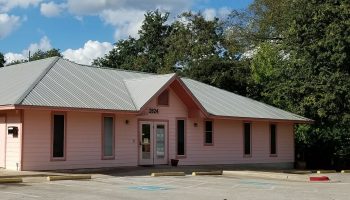
Addiction and Psychotherapy Services

2824 South Congress Avenue Austin, TX 78704
Detox Service Setting
Outpatient Detox
Levels Of Care
OutpatientAftercareDual Diagnosis
Addiction and Psychotherapy Services

Anchor of Hope Opioid Treatment Program

2307 Springlake Road Dallas, TX 75234
Detox Service Setting
Outpatient Detox
Levels Of Care
Outpatient
Anchor of Hope Opioid Treatment Program

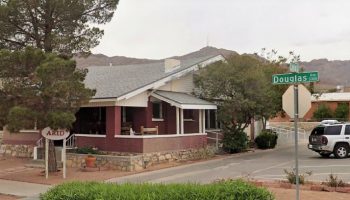
Arid Club

3327 Douglas Ave El Paso, TX 79903
Detox Service Setting
Inpatient DetoxOutpatient Detox
Levels Of Care
InpatientOutpatient
Arid Club

Arise Recovery Centers Fort Worth

6115 Camp Bowie Blvd Fort Worth, TX 76116
Detox Service Setting
Inpatient DetoxOutpatient Detox
Levels Of Care
InpatientOutpatient
Arise Recovery Centers Fort Worth

Arise Recovery Centers McKinney

6850 TPC Dr Plano, TX 75070
Detox Service Setting
Inpatient DetoxOutpatient Detox
Levels Of Care
InpatientOutpatient
Arise Recovery Centers McKinney

BRC Recovery Center

11503 Parsons Road Manor, TX 78653
Detox Service Setting
Inpatient DetoxOutpatient Detox
Levels Of Care
InpatientOutpatientAftercare+3
BRC Recovery Center

Bay Area Recovery Center Dickinson Inpatient Rehab for Men

1807 FM 517 Road East Dickinson, TX 77539
Detox Service Setting
Inpatient Detox
Levels Of Care
InpatientAftercareDual Diagnosis
Bay Area Recovery Center Dickinson Inpatient Rehab for Men

Briarwood Detox Center Austin

11711 North Lamar Boulevard Austin, TX 78753
Detox Service Setting
Inpatient Detox
Levels Of Care
InpatientIntervention
Briarwood Detox Center Austin

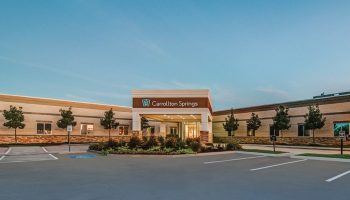
Carrollton Springs

2225 Parker Road Carrollton, TX 75010
Detox Service Setting
Inpatient DetoxOutpatient Detox
Levels Of Care
InpatientOutpatientAftercare+1
Carrollton Springs

Cenikor Foundation Austin

2410 W Howard Ln Austin, TX 78728
Detox Service Setting
Inpatient DetoxOutpatient Detox
Levels Of Care
InpatientOutpatient
Cenikor Foundation Austin

Cenikor Houston

4525 Glenwood Avenue Deer Park, TX 77536
Detox Service Setting
Inpatient DetoxOutpatient Detox
Levels Of Care
InpatientOutpatientAftercare+1
Cenikor Houston

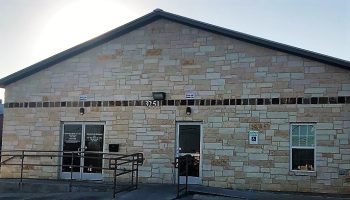
Center for Health Maintenance

3251 Harry Wurzbach Rd San Antonio, TX 78209
Detox Service Setting
Inpatient DetoxOutpatient Detox
Levels Of Care
InpatientOutpatient
Center for Health Maintenance

Chemical Dependency Health Services CDHS

214 Billings Street Arlington, TX 76010
Detox Service Setting
Outpatient Detox
Levels Of Care
OutpatientAftercare
Chemical Dependency Health Services CDHS

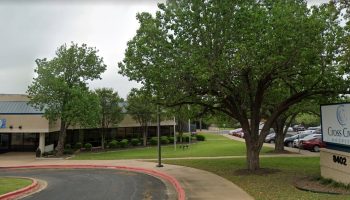
Cross Creek Hospital

8402 Cross Park Drive Austin, TX 78754
Detox Service Setting
Inpatient Detox
Levels Of Care
InpatientDual Diagnosis
Cross Creek Hospital

Cypress Lakes Lodge Houston Rehab Center for Drug and Alcohol Addiction

1129 Highway 287 North Woodville, TX 75979
Detox Service Setting
Inpatient DetoxOutpatient Detox
Levels Of Care
InpatientOutpatientAftercare+3
Cypress Lakes Lodge Houston Rehab Center for Drug and Alcohol Addiction

Discovery Point Retreat Dallas

6500 Greenville Avenue Dallas, TX 75206
Detox Service Setting
Inpatient DetoxOutpatient DetoxMAT
Levels Of Care
InpatientPHPOutpatient+2
Discovery Point Retreat Dallas

Discovery Point Retreat Waxahachie

530 Hight Road Waxahachie, TX 75167
Detox Service Setting
Inpatient DetoxOutpatient DetoxMAT
Levels Of Care
InpatientPHPOutpatient+2
Discovery Point Retreat Waxahachie

El Paso Behavioral Health Main Campus

10501 Gateway Boulevard West El Paso, TX 79925
Detox Service Setting
Outpatient Detox
Levels Of Care
OutpatientAftercareDual Diagnosis
El Paso Behavioral Health Main Campus

Great Oaks Recovery Center

11210 Farm to Market Road 102 Egypt, TX 77436
Detox Service Setting
Inpatient DetoxOutpatient DetoxMAT
Levels Of Care
InpatientPHPOutpatient+4
Great Oaks Recovery Center

Greenhouse Outpatient Treatment Facility

2301 Avenue J Arlington, TX 76006
Detox Service Setting
Inpatient DetoxOutpatient DetoxMAT
Levels Of Care
InpatientOutpatientAftercare+3
Greenhouse Outpatient Treatment Facility

Drug & Alcohol Detox in Texas

Texas runs one of the largest treatment systems in the country, yet it has comparatively few licensed facilities for its population, so where you live shapes what care is easily accessible.

Texas Health and Human Services Commission (HHSC) licenses detox and residential programs as Chemical Dependency Treatment Facilities, under the standards in Texas Administrative Code Chapter 564.

Opioid treatment programs that dispense methadone answer to an additional layer of state, SAMHSA, and DEA approval. The state’s overdose picture is distinctive.

Methamphetamine is involved in more Texas overdose deaths than any other substance, while illicitly manufactured fentanyl remains the fastest-rising threat and the focus of the state’s “One Pill Kills” campaign.

That mix matters when you pick a program, because stimulant and opioid withdrawal call for different medical support. Knowing how to choose a detox center that treats your specific substance is a practical first step.

Access also depends on geography and funding. Dense provider networks in Houston, Dallas, San Antonio, and Austin keep private-pay pricing competitive, while rural regions rely heavily on state-funded programs reached through regional Outreach, Screening, Assessment, and Referral (OSAR) centers.

For uninsured residents, Texas operates one of the largest state-funded treatment networks in the country, though demand routinely outpaces available beds.

Paying for Detox in Texas

Cost is one of the biggest barriers Texans name when they delay detox, but the price of care varies widely by setting, length of stay, and location, and most people with coverage pay a fraction of the sticker price. A clear look at detox costs helps you plan before you commit.

How Much Does Detox Cost in Texas?

What you pay in Texas depends on the level of care, how severe withdrawal is, and whether treatment happens in a hospital, a residential facility, or an outpatient clinic.

Medication needs and length of stay also influence the numbers. Large metro areas tend to run lower than rural regions because provider competition keeps rates down.

These are full cash-pay rates before insurance, Medicaid, Medicare, or other aid; most people with coverage pay significantly less.

$140,000
Medical Detox
$50,000
Inpatient Rehab
$8,000
Outpatient Rehab
$7,000
Methadone Treatment

Medicare and Medicaid in Texas

Medicare

Medicare covers medically necessary inpatient and outpatient detox for Texas beneficiaries, along with opioid treatment program services such as methadone, buprenorphine, and naltrexone under Part B. Your copays, coinsurance, and deductibles depend on the treatment setting, the services you receive, and whether you carry a Medicare Advantage or supplement plan.

Medicaid

Texas Medicaid covers substance use services, including withdrawal management, outpatient counseling, MAT, and some residential care, delivered mainly through STAR, STAR+PLUS, and STAR Health managed care plans. Coverage is strongest among outpatient and community providers, and some services may require prior authorization through your managed care organization.

Other Ways to Pay for Detox Treatment

Do not let cost keep you from getting help. Texans have several routes to detox that do not depend on private insurance:

State-Funded Treatment (OSAR)

Texas funds free or low-cost treatment through regional Outreach, Screening, Assessment, and Referral centers. An OSAR office screens uninsured residents and refers them to state-funded detox and residential beds in their public health region.

Sliding Scale Payment Systems

Many federally qualified health centers and community providers set fees on a sliding scale tied to income and household size, lowering out-of-pocket costs for uninsured Texans who do not qualify for Medicaid.

Nonprofits and Charities

Faith-based and secular nonprofits across Texas, including Salvation Army Adult Rehabilitation Centers, provide detox-adjacent recovery services regardless of ability to pay.

Veterans Programs

With one of the largest veteran populations in the nation, Texas veterans can access detox and SUD care through VA medical centers in Houston, Dallas, San Antonio, and other metros, often at no cost.

Texas Regulations and Accreditation for Detox

Detox and addiction treatment in Texas are overseen by a mix of state licensing authorities, statutory rules, and public health agencies. These are the key bodies that regulate withdrawal management and SUD services statewide:

Texas Health and Human Services Commission (HHSC), Regulatory Services

HHSC licenses and inspects Chemical Dependency Treatment Facilities, the license category that covers residential detox, intensive residential, and outpatient programs in Texas. Its Regulatory Services Division enforces the substance use standards of care and investigates complaints against licensed facilities.

Texas Administrative Code, Title 26, Chapter 564

These are the state rules, formerly Chapter 448, that define licensing, staffing, clinical, and safety standards for chemical dependency treatment facilities, including detoxification programs. They set the baseline every licensed Texas detox provider must meet.

HHSC Narcotic Treatment Program Licensing

Under Texas Health and Safety Code Chapter 466, HHSC separately licenses Narcotic Treatment Programs, the certified clinics that dispense methadone and other opioid maintenance medications, layered on top of federal SAMHSA and DEA requirements.

Texas Department of State Health Services (DSHS)

DSHS is the state public health agency that tracks overdose and drug-related death data, operates the Texas fentanyl data dashboard, and publishes the surveillance that guides where treatment and prevention resources are directed across the state.

Key MAT Medications and Regulatory Status in Texas

Medication-assisted treatment in Texas is regulated at both the federal and state levels. Programs that dispense methadone must hold SAMHSA Opioid Treatment Program certification under 42 CFR Part 8 and DEA registration, and Texas adds its own Narcotic Treatment Program license through HHSC.

Buprenorphine and naltrexone face fewer restrictions and are prescribed in standard clinical settings. You can learn how medication-assisted treatment fits into a broader detox plan.

Buprenorphine

Buprenorphine, often prescribed as Suboxone, is widely available across Texas from office-based physicians, community clinics, and telehealth providers, without the daily-clinic requirement methadone carries. That flexibility makes it a practical starting point for many Texans in metro and rural areas alike, and Texas Medicaid covers it.

Methadone

Methadone is restricted to HHSC-licensed Narcotic Treatment Programs and is not available at retail pharmacies in Texas. It requires daily on-site dosing, at least early in treatment, so access depends on living near one of the state’s certified opioid treatment programs, which cluster in the larger metros.

Naltrexone

Naltrexone, including the long-acting injectable Vivitrol, needs no special licensing and is prescribed in routine outpatient settings throughout Texas. Because it is not a controlled substance and carries no misuse potential, it is used for both opioid and alcohol use disorder and is covered by Texas Medicaid.

Overdose Prevention and Harm Reduction in Texas

Texas takes a more restrictive approach to harm reduction than most states. Syringe service programs remain illegal statewide, and Texas is one of only a few states where fentanyl test strips are still classified as illegal drug paraphernalia. Naloxone, however, is legal and widely distributed, and expanding access to it is central to the state’s response to fentanyl. The resources below focus on getting this overdose-reversal medication into Texans’ hands.

Naloxone Texas (Be Well Texas, UT Health San Antonio)

Free naloxone by mail Bulk naloxone for organizations and first responders Overdose response education

This is the state’s revamped naloxone distribution program, run by Be Well Texas at UT Health San Antonio. It ships free Narcan directly to Texans and supplies schools, first responders, and community groups across the state.

Texas Harm Reduction Alliance

Naloxone distribution Drop-in center and street outreach Wound care Hepatitis C testing

Based in Austin, the alliance runs a drop-in center and outreach for people who use drugs, distributing thousands of naloxone doses each year alongside counseling, basic medical care, and referrals to treatment.

NEXT Distro (Texas)

Mail-based naloxone Overdose prevention training Fentanyl awareness resources

NEXT Distro is an online and mail-based service that ships naloxone to Texans who cannot easily reach an in-person provider, pairing it with virtual training on recognizing and reversing an opioid overdose.

Dallas County Health and Human Services

Free naloxone information Overdose prevention education Local resource referrals

Dallas County’s public health department provides harm reduction education and connects residents to free naloxone and local support, serving one of the state’s largest metro populations.

Detox Statistics in Texas

Texas has begun to see overdose deaths fall after years of sharp increases, but its drug supply remains dangerous and its harm reduction laws lag much of the country. These numbers show where the risk stands today.

Nearly 20% Drop in Fentanyl Deaths

State health data show fentanyl-related poisoning deaths fell almost 20% year over year, with about 1,900 Texans killed from August 2023 to July 2024 compared with more than 2,360 the prior year. Office of the Texas Governor

600% Rise in Fentanyl Deaths Since 2019

Fentanyl-related poisoning deaths in Texas climbed more than 600% from 2019 to 2023, taking the lives of over 7,000 Texans across just four years before the recent decline began. Office of the Texas Governor

76,000+ Overdose Deaths Since 1999

Texas has lost more than 76,000 lives to drug overdoses since 1999, though the state’s death rate has stayed below the national average and fatalities fell in 2024 from their 2023 peak. Federal Reserve Bank of Dallas

FAQs About Detox in Texas

How can I get into state-funded detox in Texas if I do not have insurance?

Start by contacting your regional Outreach, Screening, Assessment, and Referral (OSAR) provider, the front door to Texas’s state-funded system. An OSAR counselor screens your situation and refers you to publicly funded detox and residential beds in your public health region, often at no cost.

Are fentanyl test strips legal in Texas?

No, as of 2025, Texas is one of only a few states that still classify fentanyl test strips as illegal drug paraphernalia, despite repeated attempts to decriminalize them. Some harm reduction groups distribute them anyway but cannot legally purchase them with public funds.

Does the Texas Good Samaritan law protect me if I call 911 for an overdose?

Texas offers limited protection under the Jessica Sosa Act, but with major exceptions. It does not shield people with prior drug convictions, anyone who has used the defense before, or those who called about an overdose within the previous 18 months.

Does Texas Medicaid cover detox and rehab?

Yes, Texas Medicaid covers withdrawal management, outpatient counseling, MAT, and some residential care through STAR, STAR+PLUS, and STAR Health plans. Coverage is strongest for outpatient and MAT services, and some care needs prior authorization. If you are weighing settings, compare outpatient detox options first.

Can someone be ordered into detox against their will in Texas?

Yes, in narrow circumstances. Under Texas Health and Safety Code Chapter 462, a court can order a person with a chemical dependency into treatment if they are likely to cause serious harm or are incapacitated. Family members typically petition the county court to begin the process.

Two people talking
Get Help Today!
If you or a loved one is in need of help, call today. Pick up the phone and get the help you need.
800-483-2193
Confidential. Available 24 Hours
Written by: Gayle Morris

BSN, MSN

Gayle Morris, BSN, MSN, received her bachelor’s degree from the University of Illinois Chicago Medical Center and her first master’s degree from Indiana University Purdue University Indianapolis. She practiced nursing for more than two decades with a focus on pediatric physical rehabilitation, helping children and their parents after a head injury or spinal cord injury. She has been a freelance writer in health, wellness, and mental health for more than 15 years. She loves exercise, her dogs and guinea pigs, and gardening.

View Profile

Browse Detox Centers

Get Help Today Phone icon 800-779-4314