317-567-9668











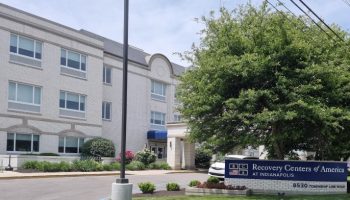
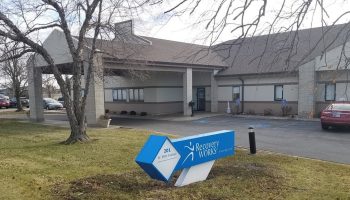
Indiana’s detox landscape is heavily regulated by the Indiana Family and Social Services Administration (FSSA) through its Division of Mental Health and Addiction (DMHA). The DMHA certifies all addiction treatment providers, enforces standards of care and ensures that facilities comply with state mandates.
A major focus in Indiana is expanding access to Medication-Assisted Treatment (MAT) and reducing barriers to care in rural areas. State initiatives, partly funded by opioid settlement dollars, are integrating harm reduction strategies directly into clinical environments.
Additionally, Indiana’s implementation of the Certified Community Behavioral Health Clinic (CCBHC) model ensures 24/7 crisis response and comprehensive outpatient support for all residents, regardless of insurance status or geographic location.
When searching for detox in Indiana, geography is a critical factor. The Indianapolis metropolitan area (Marion County) has the highest concentration of acute medical detox centers and specialized inpatient care.
In contrast, rural residents often face significant travel distances, making telehealth MAT and state-funded regional Community Mental Health Centers (CMHCs) vital lifelines for those who are experiencing addiction.
Understanding whether a facility accepts the Healthy Indiana Plan (HIP), the state’s Medicaid program, is also essential, as many safety-net providers reserve beds specifically for state-funded patients.
Navigating these regional differences early on is key to finding timely, appropriate care.