317-567-9668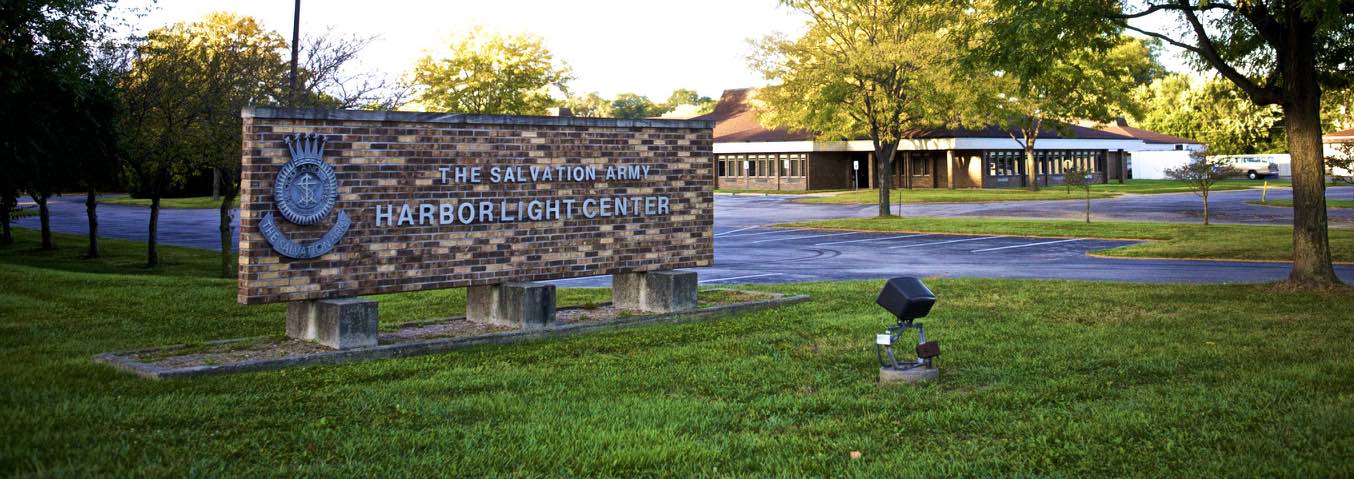
Salvation Army
Indianapolis, IN
46222
Search Indianapolis detox centers. There are 17 inpatient detox, 19 outpatient, and 5 medication assisted detox centers in Indianapolis. Explore treatment options for alcohol, opiate, or prescription drug addiction and begin healing today.


| Name | Address | Detox Service Setting | Levels Of Care | Media |
|---|---|---|---|---|
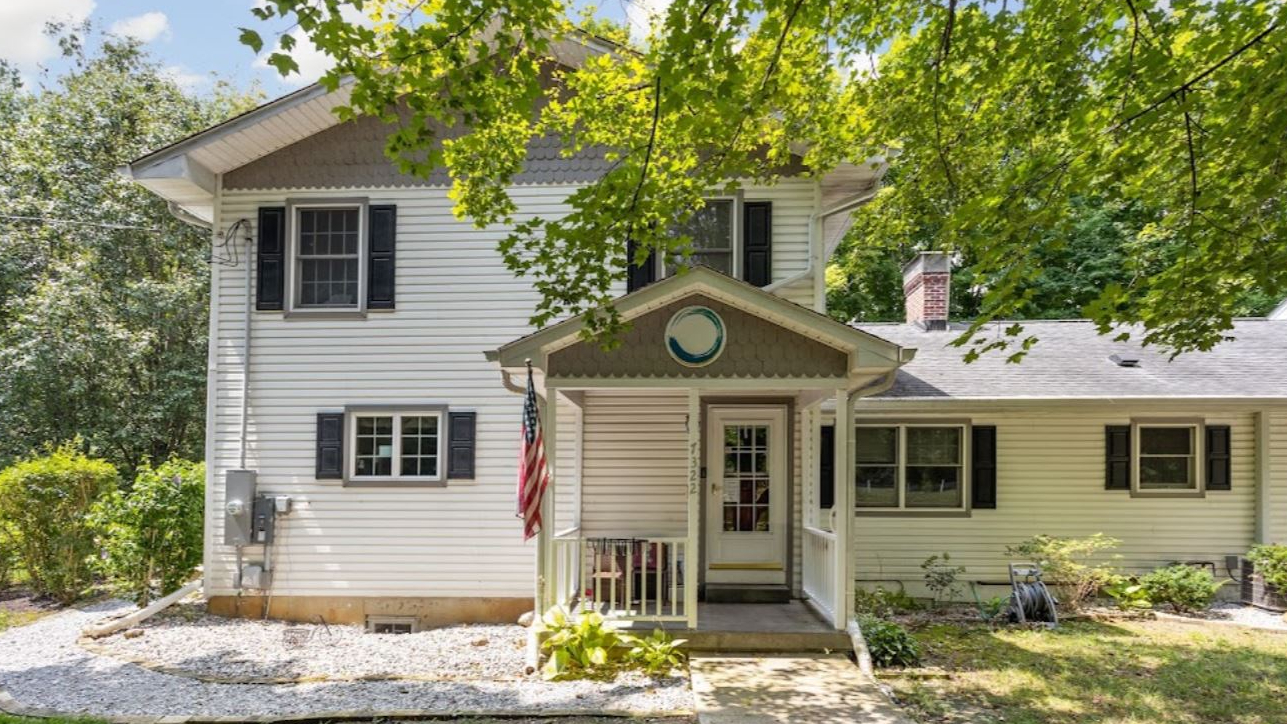
Addiction Rehab Centers ARC Indianapolis |
7322 Noel Road Indianapolis, IN 46278 |
Detox Service Setting
Inpatient DetoxOutpatient DetoxMAT
|
Levels Of Care
InpatientPHPOutpatient+2
|

|
Ascension St Vincent Stress Center |
8401 Harcourt Road Indianapolis, IN 46260 |
Detox Service Setting
Inpatient DetoxOutpatient Detox
|
Levels Of Care
InpatientOutpatientAftercare+2
|
|
Eskenazi Health |
720 Eskenazi Avenue Indianapolis, IN 46202 |
Detox Service Setting
Hospital DetoxInpatient DetoxOutpatient Detox+1
|
Levels Of Care
InpatientOutpatient
|

|
Evolve Indy |
8770 Guion Rd Indianapolis, IN 46268 |
Detox Service Setting
|
Levels Of Care
PHPOutpatientAftercare
|

|
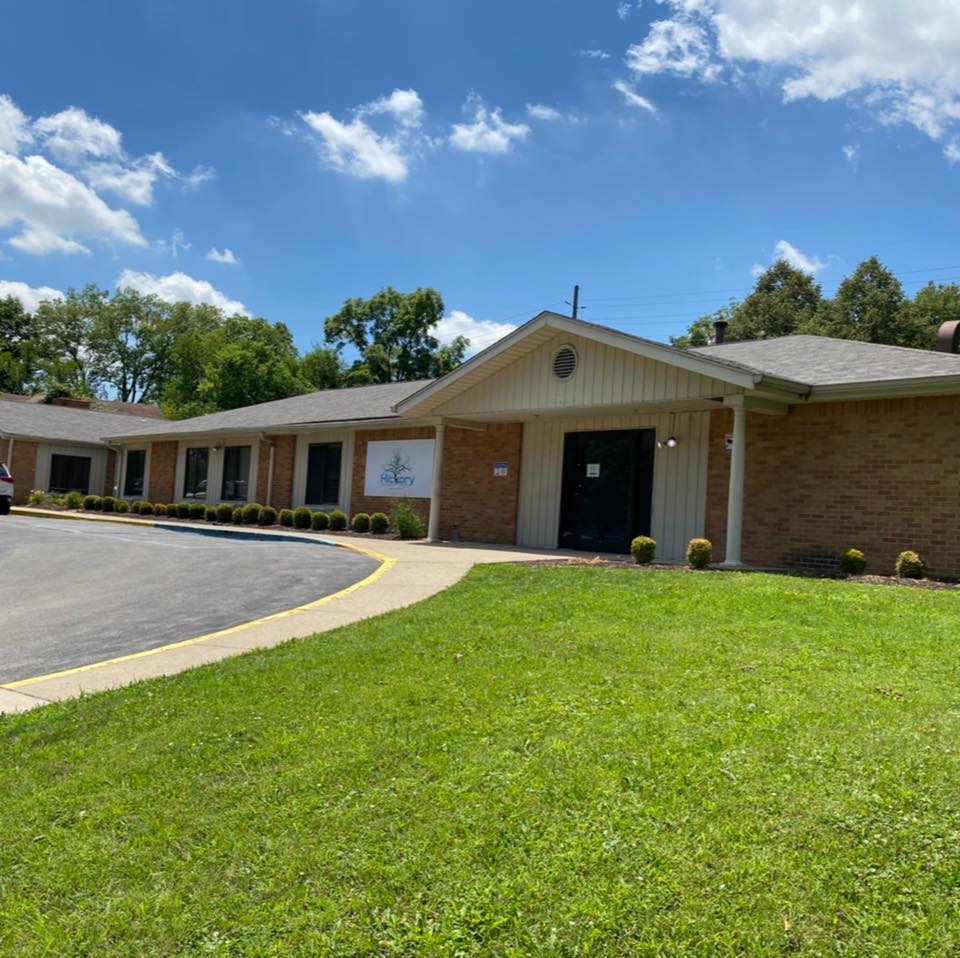
Hickory Treatment Center at Indianapolis |
2926 North Capitol Avenue Indianapolis, IN 46208 |
Detox Service Setting
Inpatient DetoxOutpatient DetoxMAT
|
Levels Of Care
InpatientOutpatientDual Diagnosis
|
|
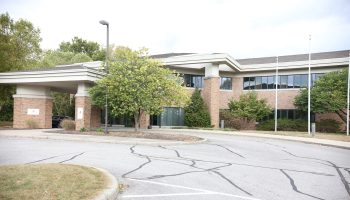
Landmark Recovery Of Indianapolis |
6330 Digital Way Indianapolis, IN 46278 |
Detox Service Setting
Inpatient DetoxOutpatient DetoxMAT
|
Levels Of Care
InpatientPHPOutpatient+1
|
|
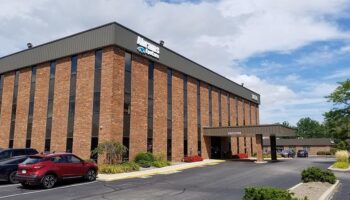
Miller Care Group |
3850 Shore Drive Indianapolis, IN 46254 |
Detox Service Setting
Outpatient DetoxMAT
|
Levels Of Care
InpatientOutpatientDual Diagnosis+3
|
|
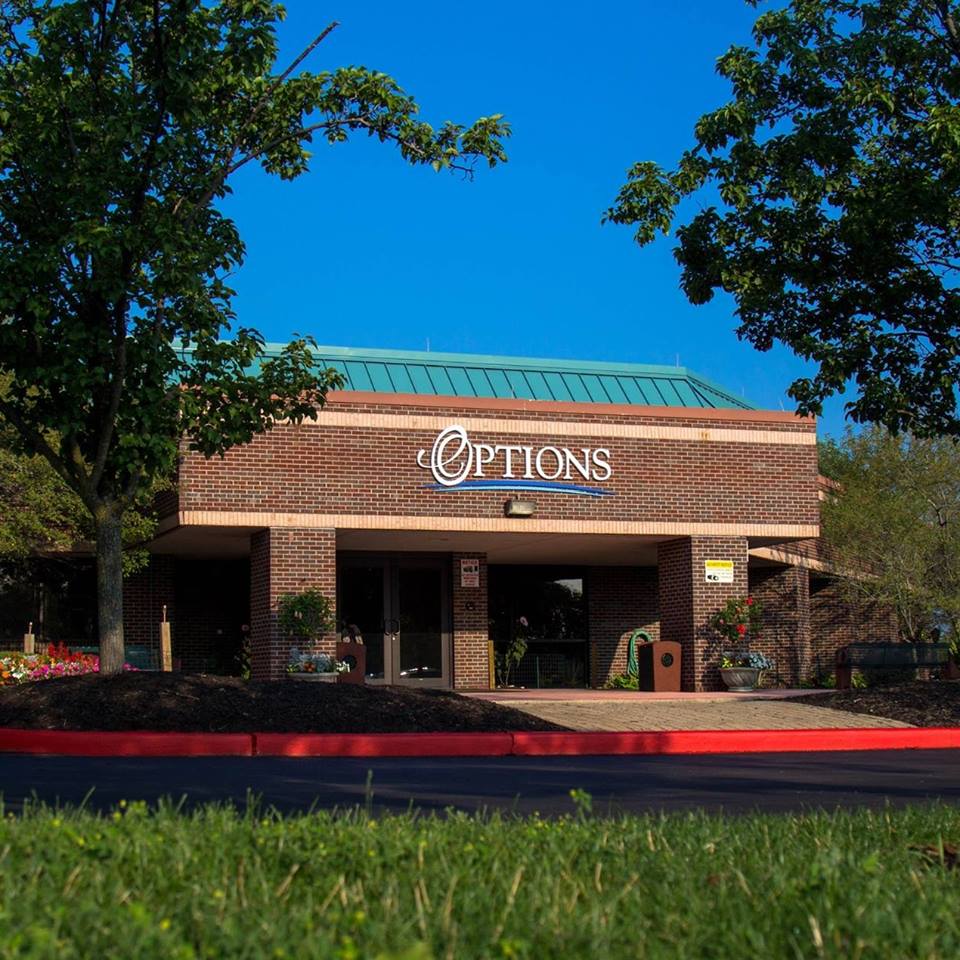
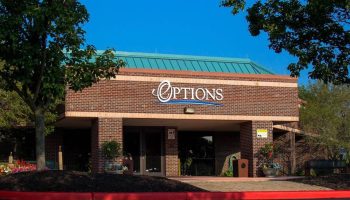
Options Behavioral Health |
5602 Caito Drive Indianapolis, IN 46226 |
Detox Service Setting
Inpatient DetoxOutpatient Detox
|
Levels Of Care
InpatientOutpatientPHP+2
|
|
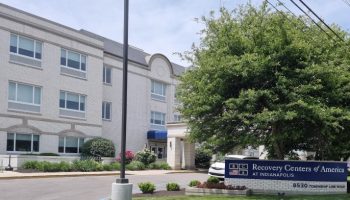
Recovery Centers of America at Indianapolis |
8530 Township Line Rd Indianapolis, IN 46260 |
Detox Service Setting
Inpatient DetoxOutpatient Detox
|
Levels Of Care
InpatientOutpatient
|
|
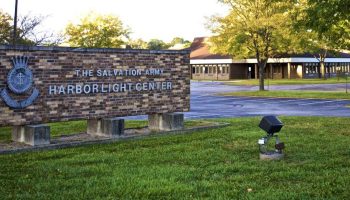
Salvation Army |
2400 North Tibbs Avenue Indianapolis, IN 46222 |
Detox Service Setting
Inpatient DetoxOutpatient Detox
|
Levels Of Care
InpatientOutpatientAftercare+2
|
|
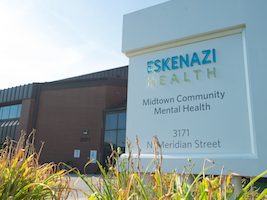
Sandra Eskenazi Mental Health Center – Thomas P. Stitt Building |
3171 North Meridian Street Indianapolis, IN 46208 |
Detox Service Setting
Outpatient DetoxMAT
|
Levels Of Care
|
|
Spero Health | Indianapolis |
8202 Clearvista Pkwy Indianapolis, IN 46256 |
Detox Service Setting
Inpatient DetoxOutpatient Detox
|
Levels Of Care
InpatientOutpatient
|
|
Aspire Indiana Health – Progress House Main |
201 Shelby St. Indianapolis, IN 46202 |
Detox Service Setting
Hospital DetoxInpatient DetoxOutpatient Detox
|
Levels Of Care
InpatientOutpatientDual Diagnosis
|
|
CleanSlate Outpatient Addiction Medicine Indianapolis |
1725 N Meridian St Indianapolis, IN 46202 |
Detox Service Setting
Inpatient DetoxOutpatient Detox
|
Levels Of Care
InpatientOutpatient
|
|
Community Fairbanks Recovery Center |
8102 Clearvista Parkway Indianapolis, IN 46256 |
Detox Service Setting
Hospital DetoxInpatient DetoxOutpatient Detox+1
|
Levels Of Care
InpatientOutpatientPHP
|
|
Community Hospital North Behavioral Health Pavilion |
7165 Clearvista Way Indianapolis, IN 46256 |
Detox Service Setting
Hospital DetoxInpatient DetoxOutpatient Detox+1
|
Levels Of Care
InpatientOutpatientDual Diagnosis
|
|
Hamilton Center, Inc. |
2160 North Illinois Indianapolis, IN 46202 |
Detox Service Setting
Inpatient DetoxOutpatient DetoxMAT
|
Levels Of Care
InpatientOutpatientDual Diagnosis+1
|
|
Indiana Center for Recovery Indianapolis |
5510 S Emerson Ave Indianapolis, IN 46237 |
Detox Service Setting
Inpatient DetoxOutpatient Detox
|
Levels Of Care
InpatientOutpatient
|
|
Indianapolis Comprehensive Treatment Center |
2626 East 46th Street Indianapolis, IN 46205 |
Detox Service Setting
Inpatient DetoxOutpatient DetoxMAT
|
Levels Of Care
InpatientOutpatientDual Diagnosis
|
Indianapolis sits in Marion County, which has one of the highest drug overdose death rates in Indiana at 59.2 per 100,000 residents annually.
That context matters when choosing a detox program here: the local drug supply is heavily contaminated with fentanyl and fentanyl analogs, which changes withdrawal timelines, overdose risk, and the level of medical supervision you should look for in a facility.
In response, Indiana has committed significant opioid settlement funds to treatment expansion statewide, with over $87.6 million awarded through the National Opioid Settlement plan as of mid-2024.
Locally, this has supported peer recovery support programs and the IMPD’s dedicated overdose response team, which now operates full-time and connects people to detox treatment options within 72 hours of system contact.
As well, the Marion County Public Health Department (MCPHD) provides a second layer of local public health oversight through its Overdose Fatality Review team and the OD2A surveillance program, which tracks overdose trends and informs treatment planning across the county.
Another notable policy change occurred in 2024 when the “drug paraphernalia” designation was removed from fentanyl test strips, making them legal to possess and distribute. Therefore, harm reduction programs in Indianapolis now include them in standard supply kits, allowing people to check their supply before using.
All detox and substance use disorder treatment facilities in Indianapolis are licensed by the Indiana Family and Social Services Administration (FSSA), Division of Mental Health and Addiction (DMHA). This includes medically managed hospital detox units, residential detox programs, partial hospitalization programs and intensive outpatient programs.
Detox care in Indianapolis is covered by a wide range of insurance types, including Indiana’s Medicaid program, major commercial carriers and several alternate-funding programs for people without coverage.
Understanding your options before calling facilities can significantly reduce delays getting into care.
Treatment costs in Indianapolis vary based on level of care, facility type and length of stay. The majority of licensed detox facilities carry a mix of private and public payers, and most will conduct a benefits verification before admission.
Typical cost ranges for Indianapolis-area detox programs:
The six major private insurers active in the Indianapolis market are:


Medicare Part A covers inpatient hospital-based detox, and Part B covers outpatient SUD treatment and OTP services, including methadone and buprenorphine, billed as a bundled daily rate. Medicare Advantage plans may offer lower cost-sharing than Original Medicare. Deductibles and copays apply, and not every Indianapolis facility accepts Medicare, so benefits verification before admission is worth doing.
Indiana’s Medicaid program, called the Healthy Indiana Plan (HIP), covers medically supervised detox, inpatient treatment, outpatient programs and all FDA-approved medications for opioid use disorder without requiring prior authorization.
HIP is available to Indiana adults ages 19 to 64 with incomes up to approximately $21,600 annually (for individuals), based on the 2025 Federal Poverty Level guidelines. It is administered through managed care organizations, including Anthem/HIP, MDwise, MHS (Ambetter) and CareSource.
What’s more, Indiana’s Section 1115 SUD Demonstration Waiver, approved in 2018 and extended through at least December 2025, gives Indiana Medicaid the authority to fund inpatient detox and residential SUD treatment in facilities with more than 16 beds that would otherwise be excluded under standard Medicaid rules.
Some other ways to pay for recovery in Indianapolis include:

A state-funded program that pays for detox and treatment for Hoosiers who are uninsured or underinsured and meet income eligibility requirements. Administered through FSSA/DMHA.
Many nonprofit and community-based detox providers in Indianapolis adjust fees based on income. Documentation such as proof of income is typically required.
A federally funded voucher program available at select Indianapolis providers that can cover detox, residential and outpatient treatment.
Veterans and active-duty service members may access detox through the Richard L. Roudebush VA Medical Center in Indianapolis, which provides a full continuum of SUD care.
Statewide opioid settlement funds are being directed toward treatment expansion and peer support programs, with some flowing to Indianapolis-area community providers.
Three primary regulatory entities oversee detox and SUD treatment in Indianapolis:
The state licensing authority for all detox facilities, residential treatment centers, PHPs and IOPs. DMHA sets standards for staffing ratios, patient care protocols, physician oversight and safety procedures. Facilities must hold an active DMHA certification to operate legally.
Independent accreditation bodies whose certifications signal a higher voluntary standard of quality. Several Indianapolis detox facilities carry Joint Commission accreditation.
Monitors overdose surveillance data and coordinates with local providers through the Overdose Fatality Review team. MCPHD does not license treatment facilities but plays a significant role in public health coordination.
Medication-assisted treatment (MAT) is available at a significant number of licensed detox and outpatient programs in Indianapolis. Indiana’s Healthy Indiana Plan covers all three primary MAT medications without prior authorization:
Used to manage opioid withdrawal and cravings. Prescribers in Indiana must hold a DATA waiver (or the newer federal prescriber designation). Available at both outpatient clinics and residential detox programs.
Used for opioid use disorder treatment through licensed Opioid Treatment Programs (OTPs). Patients must present in person daily at an OTP; Indianapolis has several DMHA-certified OTP locations.
A once-monthly injectable option typically started after medically managed detox is complete. Available at a wide range of outpatient providers throughout the Indianapolis metro.
Indianapolis has an active harm reduction network supported by the Marion County Public Health Department and several community-based organizations.
In 2024, Indiana removed fentanyl test strips from its list of prohibited drug paraphernalia, making them legal to distribute and possess. The local harm reduction programs described here provide those strips along with naloxone, syringe services, and connections to fentanyl detox and treatment resources for people who are ready to seek care.
The Damien Center is Indianapolis’s oldest AIDS service organization and one of the original hosts of the city’s syringe exchange program, which launched in 2019. Furthermore, between 2024 and 2025, Damien Center’s program was part of an Indianapolis-wide harm reduction effort that distributed more than 47,000 doses of naloxone, which participants reported using to reverse approximately 1,700 overdoses.
The program is free and requires no identification.
The SSAS Program is administered through the Marion County Public Health Department and operates in neighborhoods identified as overdose hotspots through EMS data and Marion County Coroner’s Office surveillance.
Since launching in 2019, the program has served more than 4,000 clients at over 22,000 visits.
After five years of operation, hepatitis C cases in Marion County fell approximately 60%.
The Indiana Recovery Alliance is a grassroots statewide organization with a presence in Indianapolis that focuses on harm reduction interventions, drug policy reform and connecting people who use drugs with naloxone and community resources.
IRA partners with NEXT Distro to facilitate mail-based access to naloxone for Hoosiers who cannot access these services in person.
Step Up, Inc. is part of the formal Indianapolis Harm Reduction Team alongside SSAS and the Damien Center.
Their street outreach model reaches people experiencing homelessness and active drug use in areas not served by fixed-site programs, distributing supplies and helping connect individuals to detox and treatment when they are ready.
Another key harm reduction tool is Indiana’s Good Samaritan law, which provides legal protection for individuals who call 911 during an overdose emergency and administer naloxone. Naloxone can be obtained without a prescription at most Indianapolis-area pharmacies.
Marion County has seen meaningful progress in reducing overdose deaths since 2023, with naloxone distribution and syringe exchange programs playing a documented role in saving lives. The county continues to monitor a highly contaminated drug supply in which fentanyl remains the dominant substance in fatal overdoses.
Marion County Coroner’s Office investigated 134 suspected overdose deaths in January through March 2024, a 28% decrease from 185 in the same period of 2023.
Indianapolis-area harm reduction programs distributed more than 47,000 doses of naloxone between 2024 and 2025, with participants reporting that those doses reversed approximately 1,700 overdoses.
Marion County Public Health Department data shows hepatitis C cases fell by approximately 60% in the five years following the launch of Indianapolis’s syringe exchange program in 2019.
All detox and substance use disorder treatment facilities operating in Indianapolis must be licensed by the Indiana Family and Social Services Administration (FSSA), Division of Mental Health and Addiction (DMHA).
DMHA sets the standards for physician oversight, staffing, patient care protocols and facility safety. You can verify a facility’s license status through the FSSA/DMHA website before seeking admission.
Yes. Indiana’s Medicaid program, the Healthy Indiana Plan, covers medically supervised detox, inpatient residential treatment, and outpatient programs for adults ages 19 to 64 who meet income requirements.
HIP also covers all FDA-approved MAT medications without prior authorization. Managed care plans under HIP include Anthem, CareSource, MDwise and MHS (Ambetter).
Several options exist. The Recovery Works program, funded by FSSA/DMHA, provides treatment vouchers for uninsured or underinsured Hoosiers who meet eligibility requirements.
As well, many nonprofit detox providers in Indianapolis use sliding scale fees based on income. Access to Recovery Vouchers are also available at select providers and can cover detox services.
Also, calling 211 (Indiana’s health and human services referral line) is a practical starting point for finding available funded slots.
Inpatient detox provides 24-hour medical supervision in a residential setting and is appropriate for people with a history of severe withdrawal, polysubstance dependence or prior complications such as seizures.
In contrast, outpatient detox allows patients to return home between scheduled clinic visits and is better suited to people with milder dependence, strong support systems and no history of medically complicated withdrawal.
Yes. Indianapolis has multiple operating syringe exchange sites, including locations run by the Marion County Public Health Department’s Safe Syringe Access and Support Program and the Damien Center. These programs are free and anonymous.
Indiana’s syringe exchange programs were legalized in 2015 and are currently operating in six Indiana counties, though state legislation in early 2026 proposed new requirements that may affect future operation.
Check marionhealth.org/safesyringe for current site locations and hours.
Indiana’s Good Samaritan law provides legal protection for individuals who call 911 during an overdose, wait for first responders and follow their instructions. People who administer naloxone and report an overdose are protected under this provision.
Naloxone is available without a prescription at most Indianapolis-area pharmacies and is distributed free of charge through local harm reduction programs.