

 800-262-4205
Lloyd C. Elam Mental Health Center
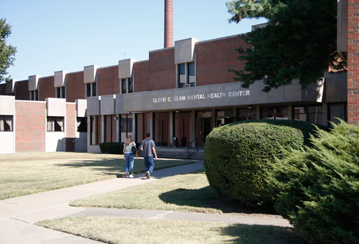
About Lloyd C. Elam Mental Health Center
Medical and Social Detox
Intensive residential treatment is provided for clients who are at risk of medical complications during the detoxification process. Length of stay is determined by client need. Clients in Medical or Social Detox are encouraged to enter the Residential Rehab program, or they are referred to an appropriate treatment setting.
Residential Rehabilitation
This program offers intensive residential treatment for 28 days, with group and individual therapy, for clients who are in need of this intervention and have completed the detoxification process. After completing Residential Rehab, clients are encouraged to participate in the Intensive Outpatient Program.
Intensive Outpatient
Group therapy sessions, with individual therapy and limited family therapy, comprise this component of the adult continuum of care. This program meets from 9:00 a.m.–12:00 p.m., four days a week, thus allowing clients to receive the benefits of participating in treatment while being able to work and care for their families. Services are typically provided for up to eight weeks, depending upon the client’s needs. Following completion, clients are encouraged to remain in treatment by attending the weekly Outpatient program.
Weekly Outpatient
Outpatient groups meet once per week to address the needs of clients who are employed, those who have minimal substance abuse issues, and those who have completed a more intensive level of treatment and choose to continue attending groups. Services typically are provided for up to eight weeks, depending upon the client’s needs.
| Levels of Care | Detox Service Setting | Programs | Payment Options | Medications Offered | ||
|---|---|---|---|---|---|---|
|
Inpatient and residential programs provide round-the-clock medical and emotional support as you live at the treatment facility. This level of care may be recommended if you have severe addictions or mental health conditions since it removes outside distractions and allows you to focus solely on therapy. |
In outpatient therapy, you’ll attend therapy sessions several times each week while living at home. This is ideal if you have a strong support system and a lower risk of relapse. Outpatient treatment offers flexibility to maintain work, school or family obligations. |
Dual diagnosis programs address substance use disorders and co-occurring mental health conditions simultaneously. This integrated approach to care improves the likelihood of long term recovery and stability by addressing the root causes of addiction. |
||||
|
Hospital detoxification allows you to withdraw from drugs or alcohol in a hospital setting. It’s ideal for people with severe withdrawal symptoms or complex medical needs. You’ll receive constant monitoring, emergency care if needed and FDA approved prescription medications. |
Inpatient detox occurs in a dedicated treatment facility. You’ll live there around the clock and receive intensive medical support and supervision to help manage your withdrawal symptoms. It is suitable for individuals with moderate to severe addictions as it ensures a stable detox environment. |
Outpatient detox gives you access to medically supervised withdrawal services while still allowing you to live at home. You’ll attend a clinic for treatment and monitoring. This flexible option is suitable for those with mild to moderate withdrawal symptoms who have strong support systems. |
Medication assisted treatment combines medication and counseling to manage withdrawal and reduce cravings for opioid and alcohol addiction. Medications may include methadone, buprenorphine or naltrexone. MAT is tailored to your needs so you can actively participate in your treatment journey. |
|||
|
Women's programs offer a safe and supportive space to focus on gender specific issues such as trauma, family roles and mental health conditions. Therapists tailor the sessions to address women's needs and foster empowerment in a healing and nurturing environment.
|
Men's programs address substance use while also considering the social pressures, family roles and mental health concerns that are specific to men. You’ll learn healthy coping mechanisms as you build emotional resilience and develop communication skills.
|
Opioid detox uses medications to ease severe withdrawal symptoms. It also includes medical supervision to help you manage potential complications. These services allow you to stabilize and begin a recovery plan. |
||||
|
Self Pay
|
Medicaid
|
Medicare
|
State Family Services
|
Private Insurance
|
Military Insurance
|
Payment Assistance
|
|
Acamprosate
|
Buprenorphine
|
Naltrexone (Vivitrol)
|
Levels of Care
Inpatient and residential programs provide round-the-clock medical and emotional support as you live at the treatment facility. This level of care may be recommended if you have severe addictions or mental health conditions since it removes outside distractions and allows you to focus solely on therapy.
In outpatient therapy, you’ll attend therapy sessions several times each week while living at home. This is ideal if you have a strong support system and a lower risk of relapse. Outpatient treatment offers flexibility to maintain work, school or family obligations.
Dual diagnosis programs address substance use disorders and co-occurring mental health conditions simultaneously. This integrated approach to care improves the likelihood of long term recovery and stability by addressing the root causes of addiction.
Detox Service Setting
Hospital detoxification allows you to withdraw from drugs or alcohol in a hospital setting. It’s ideal for people with severe withdrawal symptoms or complex medical needs. You’ll receive constant monitoring, emergency care if needed and FDA approved prescription medications.
Inpatient detox occurs in a dedicated treatment facility. You’ll live there around the clock and receive intensive medical support and supervision to help manage your withdrawal symptoms. It is suitable for individuals with moderate to severe addictions as it ensures a stable detox environment.
Outpatient detox gives you access to medically supervised withdrawal services while still allowing you to live at home. You’ll attend a clinic for treatment and monitoring. This flexible option is suitable for those with mild to moderate withdrawal symptoms who have strong support systems.
Medication assisted treatment combines medication and counseling to manage withdrawal and reduce cravings for opioid and alcohol addiction. Medications may include methadone, buprenorphine or naltrexone. MAT is tailored to your needs so you can actively participate in your treatment journey.
Programs
Opioid detox uses medications to ease severe withdrawal symptoms. It also includes medical supervision to help you manage potential complications. These services allow you to stabilize and begin a recovery plan.
Medications Offered
Amenities
Accreditations

Accepted Insurance
Contact


- Monday 9AM - 5PM
- Tuesday 9AM - 5PM
- Wednesday 9AM - 5PM
- Thursday 9AM - 5PM
- Friday 9AM - 5PM
- Saturday 9AM - 12PM
Detox.com regularly reviews this listing for accuracy but changes may occur between updates. For the most up-to-date information, please contact Lloyd C. Elam Mental Health Center.
Nearby Detox Centers



Search by Tennessee Cities
FAQs
What outpatient detox services does Lloyd C. Elam Mental Health Center offer?
Lloyd C. Elam Mental Health Center provides outpatient substance use treatment services in Nashville, including opioid treatment programming. The facility offers non-residential detox and withdrawal management through individual and group counseling approaches, making it suitable for individuals who do not require inpatient residential care.
Does Lloyd C. Elam Mental Health Center treat both mental health and substance use?
Yes, the facility is dual-diagnosis capable and integrates co-occurring mental health and substance abuse treatment. Individuals with both mental health conditions and substance use disorders receive coordinated care from the same treatment team, addressing both needs simultaneously during outpatient detox.
What insurance does Lloyd C. Elam Mental Health Center accept for detox?
Lloyd C. Elam Mental Health Center accepts Medicaid, Medicare, private health insurance, and self-pay options. Patients can verify their specific insurance coverage by contacting the facility directly to confirm eligibility and any out-of-pocket costs associated with outpatient detox services.
Is Lloyd C. Elam Mental Health Center accredited for substance abuse treatment?
Yes, Lloyd C. Elam Mental Health Center holds CARF accreditation, which includes recognition for outpatient substance abuse and opioid treatment program services. This accreditation reflects the facility’s compliance with standards for quality care and treatment delivery in Nashville.
Does Lloyd C. Elam Mental Health Center offer opioid detox programs?
Yes, the facility provides opioid treatment programming as part of its outpatient services. Lloyd C. Elam operates an accredited Opioid Treatment Program and delivers counseling-based opioid detox through individual and group sessions tailored to address opioid withdrawal and recovery.