615-581-7232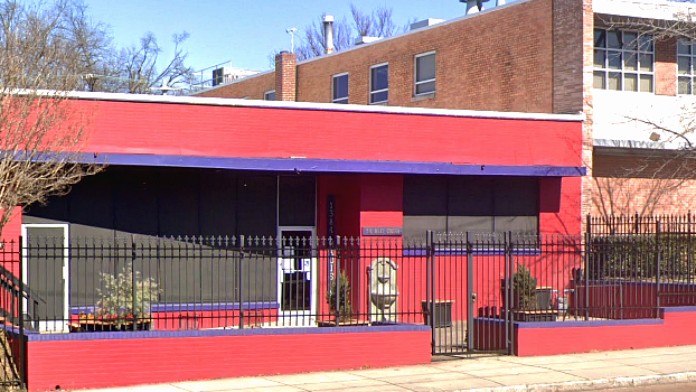
The HART Center
Memphis, TN
38104
Detox helps you overcome physical dependency on drugs and alcohol so you can get back to living a healthier and fulfilling addiction-free life. Detox centers in Knoxville use medications, exercise and nutrition therapy, and other effective treatments to help you withdraw from drugs with less discomfort and a lowered risk for serious health complications.
Knoxville alcohol detox centers use an array of treatments targeted at your addiction type, and will guide you safely through withdrawal until you’ve fully overcome chemical dependency. If you’re suffering from addiction and need help getting clean, call our 24/7 confidential helpline at 615-285-6915 to find the nearest drug and alcohol detox centers in Knoxville, TN.
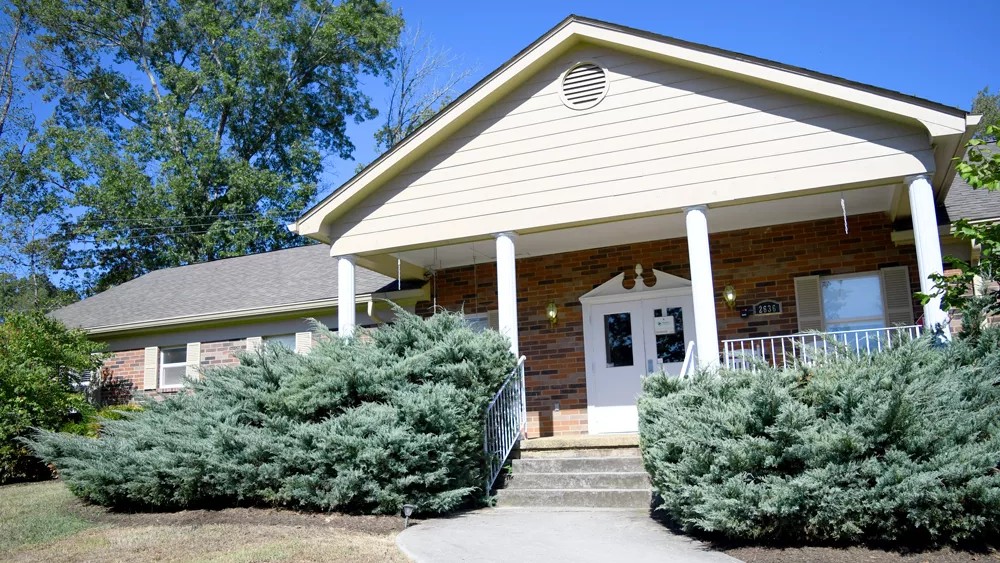


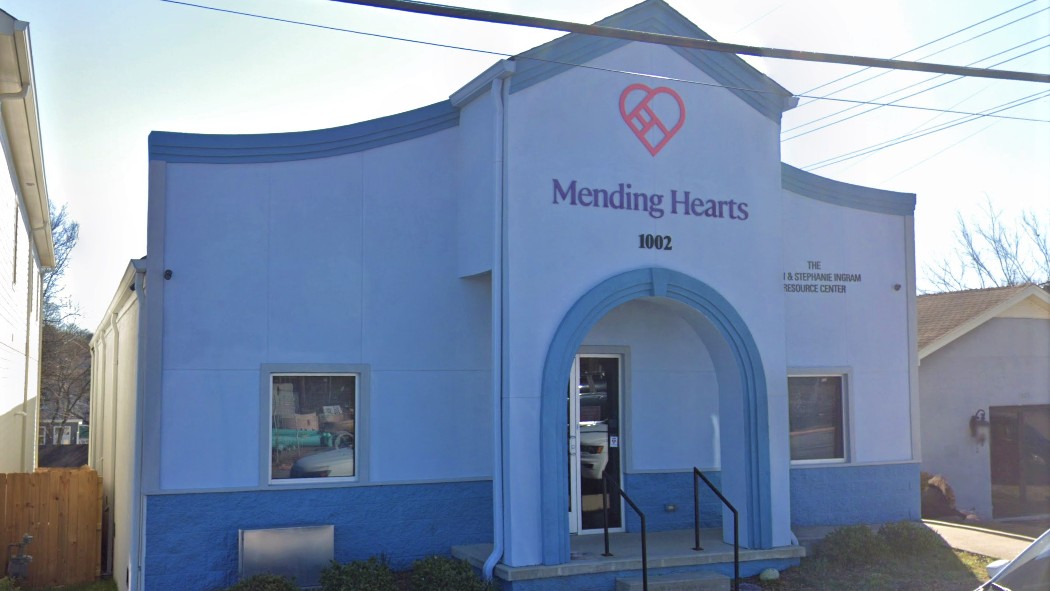
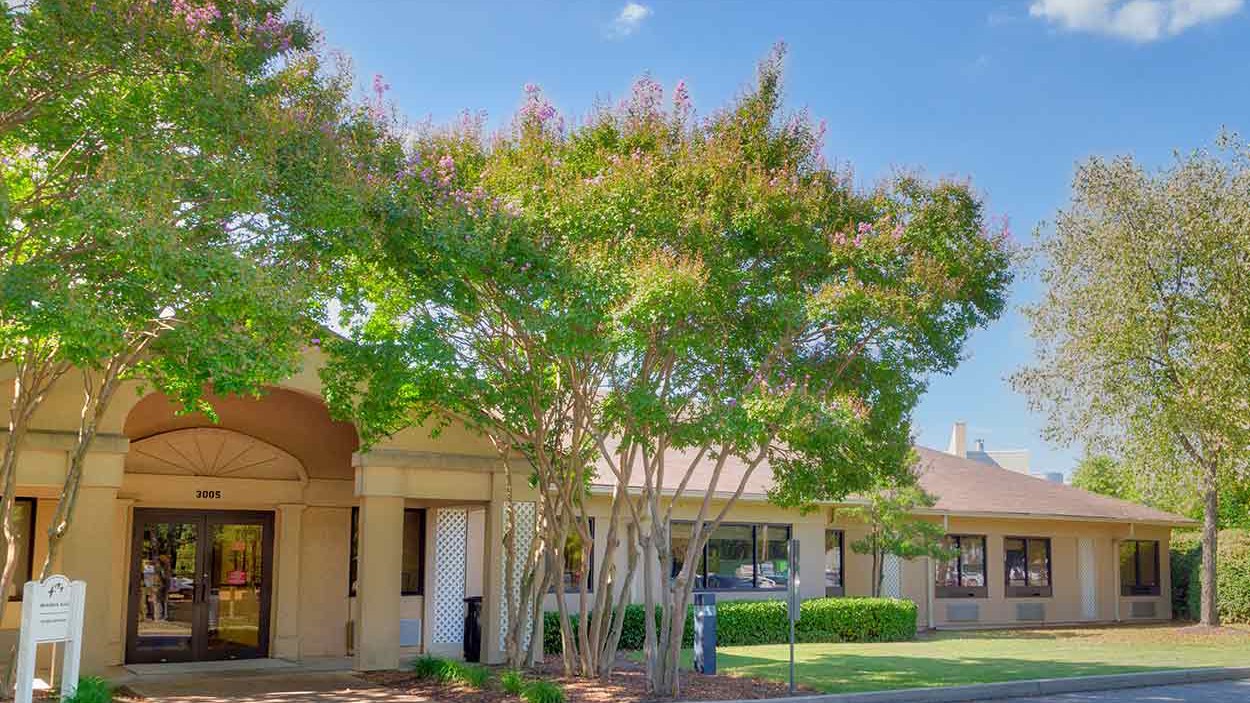
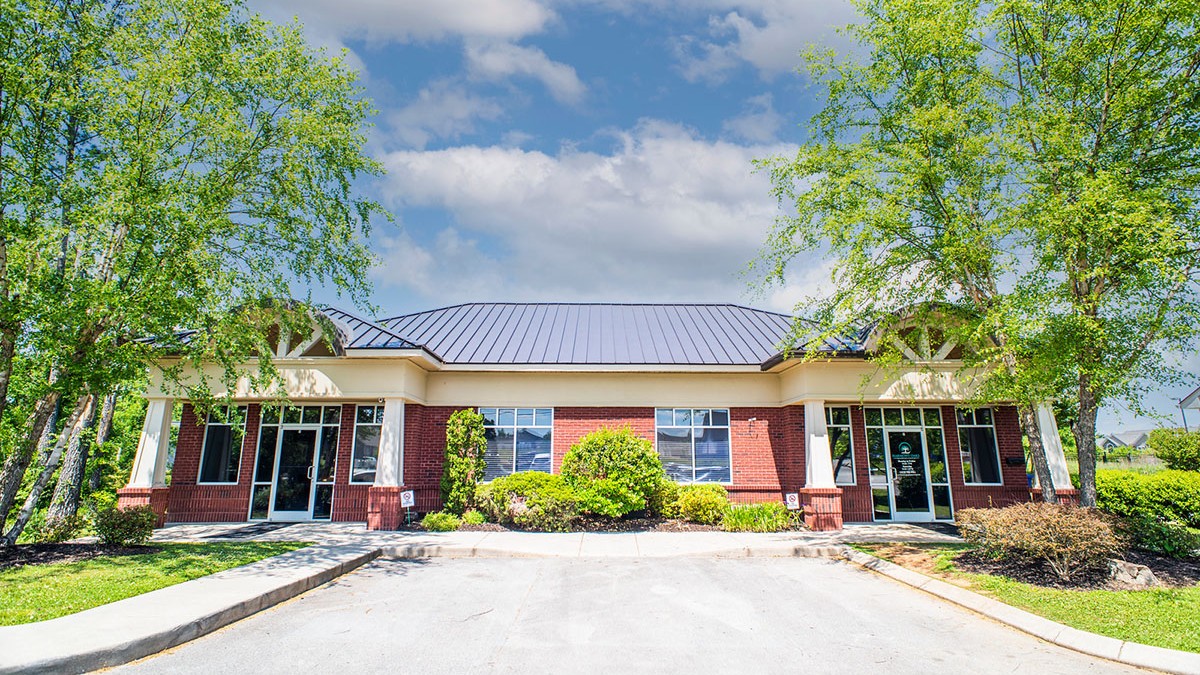
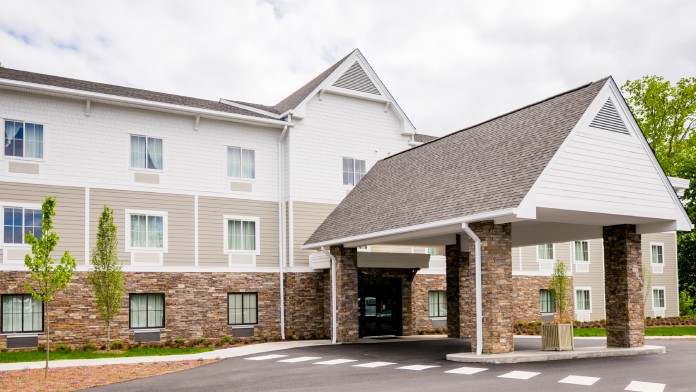
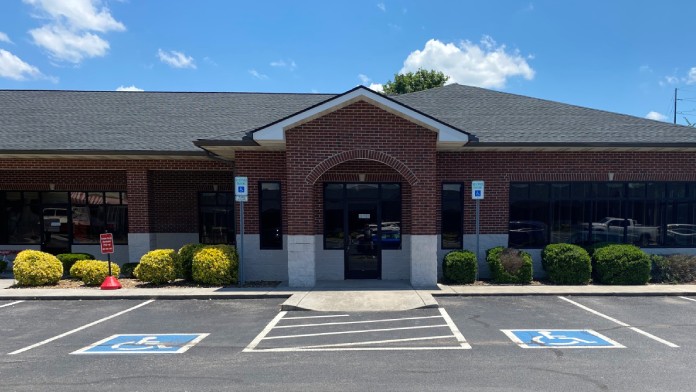
| Name | Address | Detox Service Setting | Levels Of Care | Media |
|---|---|---|---|---|
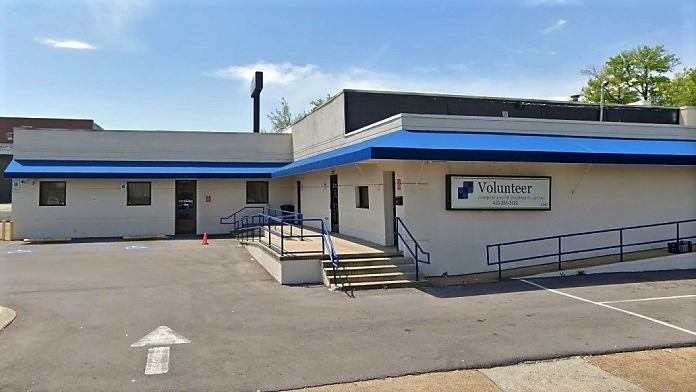
BHG Knoxville Bernard Treatment Center |
626 Bernard Avenue Knoxville, TN 37921 |
Detox Service Setting
Outpatient DetoxMATInpatient Detox
|
Levels Of Care
OutpatientInpatientAftercare
|

|
BHG Knoxville Citico Treatment Center |
412 Citico Street Knoxville, TN 37921 |
Detox Service Setting
Outpatient DetoxMAT
|
Levels Of Care
OutpatientDual Diagnosis
|

|
Crossroads of Oak Ridge |
7039 Maynardville Pike Knoxville, TN 37918 |
Detox Service Setting
Inpatient DetoxOutpatient Detox
|
Levels Of Care
InpatientOutpatient
|
|
JourneyPure Knoxville Alcohol and Drug Rehab |
2636 Maryville Pike Knoxville, TN 37920 |
Detox Service Setting
Inpatient DetoxOutpatient DetoxMAT
|
Levels Of Care
InpatientPHPOutpatient+5
|

|
JourneyPure — Knoxville Outpatient & Suboxone Clinic |
7417 Kingston Pike Knoxville, TN 37919 |
Detox Service Setting
Inpatient DetoxOutpatient DetoxMAT
|
Levels Of Care
InpatientOutpatientAftercare+3
|

|
Knoxville Recovery Center |
7447 Andersonville Pike Knoxville, TN 37938 |
Detox Service Setting
Inpatient DetoxOutpatient Detox
|
Levels Of Care
InpatientOutpatient
|

|
McNabb Center — CenterPointe |
5310 Ball Camp Pike Knoxville, TN 37921 |
Detox Service Setting
Inpatient DetoxOutpatient DetoxMAT
|
Levels Of Care
InpatientOutpatientPHP+1
|

|
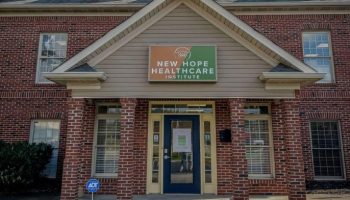
New Hope Healthcare Institute |
100 Glenleigh Ct Knoxville, TN 37934 |
Detox Service Setting
Inpatient DetoxOutpatient Detox
|
Levels Of Care
InpatientOutpatient
|
|
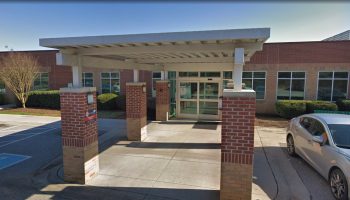
Peninsula Outpatient Center Knox |
1451 Dowell Springs Boulevard Knoxville, TN 37909 |
Detox Service Setting
Outpatient Detox
|
Levels Of Care
OutpatientDual Diagnosis
|
|
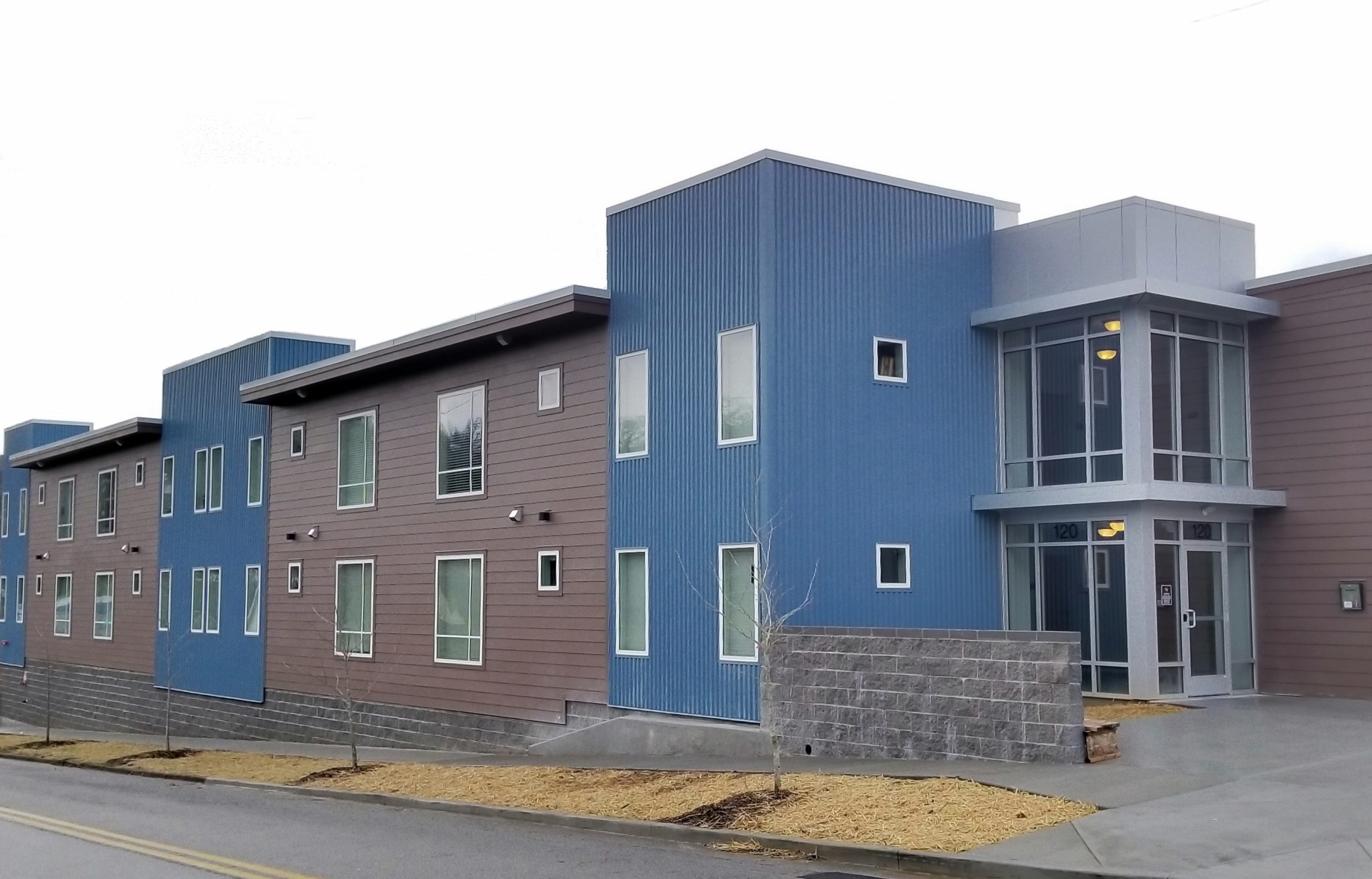
Recovery Strategies |
120 Center Park Dr Knoxville, TN 37922 |
Detox Service Setting
Inpatient DetoxOutpatient Detox
|
Levels Of Care
InpatientOutpatient
|

|
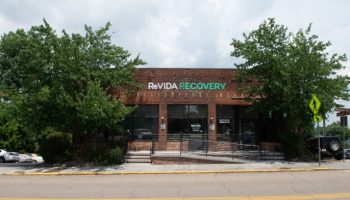
ReVIDA Recovery Center Knoxville |
2001 Highland Ave Knoxville, TN 37916 |
Detox Service Setting
Outpatient Detox
|
Levels Of Care
Outpatient
|
|
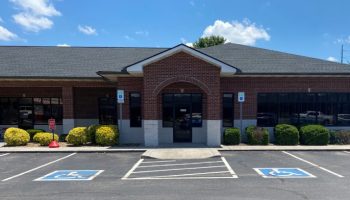
Tennessee Valley Recovery Center |
2723 Asbury Rd Knoxville, TN 37914 |
Detox Service Setting
Inpatient DetoxOutpatient Detox
|
Levels Of Care
InpatientOutpatient
|
|
Bradford Health Services |
301 South Gallaher View Road Knoxville, TN 37919 |
Detox Service Setting
|
Levels Of Care
|
|
Bradford Health Services Knoxville |
301 South Gallaher View Road Southwest Knoxville, TN 37919 |
Detox Service Setting
Outpatient Detox
|
Levels Of Care
OutpatientAftercareDual Diagnosis
|
|
JourneyPure Knoxville IOP Clinic |
7417 Kingston Pike Knoxville, TN 37919 |
Detox Service Setting
Inpatient DetoxOutpatient DetoxMAT
|
Levels Of Care
InpatientPHPOutpatient+3
|
|
Serenity Centers Of Tennessee |
5401 Central Avenue Pike Knoxville, TN 37912 |
Detox Service Setting
Inpatient DetoxOutpatient DetoxMAT
|
Levels Of Care
InpatientPHPOutpatient+4
|
Knoxville’s detox system has a clear regulatory framework anchored by the Tennessee Department of Mental Health and Substance Abuse Services (TDMHSAS). The TDMHSAS licenses all detoxification, residential, outpatient, and opioid treatment facilities in the state under Tennessee Code Annotated Title 33.
Any program operating in Knox County is required to hold an active TDMHSAS license, and many facilities also carry accreditation from The Joint Commission or the Commission on Accreditation of Rehabilitation Facilities (CARF) as an additional indicator of quality care. When evaluating a program, confirming state licensure and accreditation is a practical starting point for understanding the quality and safety of care at a detox center.
Methamphetamine is described in Knox County forensic reports as the “stimulant drug of choice in East Tennessee,” and it frequently appears alongside synthetic opioids in polydrug overdose deaths. This means programs in Knoxville commonly have patients with complex presentations involving more than one substance. This makes clinical assessment at intake particularly important.
A facility’s capacity to manage co-occurring stimulant and opioid dependence should be a direct question during the admissions process. A significant policy change at the federal level in 2023 removed the DEA waiver requirement that previously restricted buprenorphine prescribing. Any DEA-registered practitioner can now prescribe buprenorphine for opioid withdrawal management. This meaningfully expanded MAT access in the Knoxville area.
The TN REDLINE (1-800-889-9789), coordinated by the Tennessee Association of Alcohol, Drug, and Other Addiction Services and funded by TDMHSAS, provides statewide referrals and can connect callers to available licensed programs in Knox County regardless of insurance status or financial situation.
Knox County has recorded three consecutive years of declining drug-related deaths, with a 36% drop in 2024 followed by an 8% further reduction in 2025. While that trend reflects real progress, forensic data confirms that synthetic opioids and fentanyl analogues remain the primary drivers of fatal overdoses in the region. A newly identified synthetic opioid called cychlorphine has raised concern among local medical examiners.
Understanding the cost of detox in Knoxville is a reasonable first concern. Costs vary widely by level of care, program length, and the complexity of withdrawal symptoms. A range of insurance, public funding, and alternative payment options are available, and exploring detox costs and coverage options before calling a facility can make the admissions conversation more productive.
Detox costs in Knoxville align closely with Tennessee’s statewide averages. Facility type, program length, whether medications are required, and the presence of co-occurring mental health conditions are the primary variables. Costs listed below reflect typical program expenses without insurance coverage and are based on Tennessee’s regional data.
Private insurance companies operating in Tennessee must comply with the Affordable Care Act, which requires mental health and substance use disorder treatment benefits to be on par with medical and surgical coverage. The Tennessee Department of Commerce and Insurance oversees compliance with this parity requirement at the state level.
Coverage details, prior authorization requirements, and in-network provider lists vary by carrier and plan, so verifying benefits directly with the insurer and the treatment facility before admission is highly recommended. The most common commercial insurance carriers in the Knoxville market include:


Medicare covers medically necessary detox and substance use disorder treatment services in Tennessee, including inpatient hospital stays, outpatient behavioral health services, and opioid treatment program services (methadone and buprenorphine) under Part B. Cost-sharing depends on the specific setting, the type of Medicare plan, and whether the provider is in-network.
TennCare, which is Tennessee’s Medicaid program, covers a broad scope of SUD services, including medical detox, inpatient and residential treatment, outpatient counseling, and medication-assisted treatment. Coverage is administered through managed care organizations. To qualify, individuals must be Tennessee residents meeting income thresholds set by the federal poverty level.
Financial barriers should not prevent someone from seeking care in Knoxville. Several local and state programs offer reduced-cost or no-cost pathways:

TDMHSAS contracts with community-based providers across Knox County to offer income-based sliding fee schedules. Eligibility is assessed at intake, and fees are adjusted based on household income and size.
Cedar Recovery, which operates in Knoxville, accepts the SAMHSA-funded State Opioid Response grant, covering medications, therapy, and transportation for people with opioid use disorder at no cost to the individual. Eligibility is based on diagnosis, not income.
Tennessee received more than $126 million in SAMHSA treatment funding in 2023. These block grant dollars flow through TDMHSAS to licensed community providers, funding treatment slots for uninsured or underinsured individuals who meet priority population criteria.
Veterans in the Knoxville area may access SUD treatment through the VA Tennessee Valley Healthcare System. TRICARE and Veterans Community Care Program benefits are also accepted at several private facilities in the region, including Bradford Health Services in Knoxville.
Here are the key regulatory and accreditation bodies that oversee detox and withdrawal management services in Knoxville and Tennessee:
The primary state licensing authority for all substance use disorder treatment facilities in Tennessee, including detoxification programs and opioid treatment programs (OTPs). TDMHSAS issues licenses under Tennessee Code Annotated Title 33 and conducts compliance inspections for all licensed SUD programs, including separate rule sets for inpatient, outpatient, detox, and office-based opioid treatment.
The federal agency responsible for certifying Opioid Treatment Programs (OTPs) that dispense methadone. Any Knoxville-area clinic administering methadone for opioid use disorder must hold SAMHSA OTP certification in addition to its TDMHSAS state license.
The DEA issues Schedule II controlled substance registrations required for facilities administering or prescribing methadone and other controlled medications used in detox protocols. Since the 2023 removal of the DATA waiver requirement, any DEA-registered provider may now prescribe buprenorphine for opioid use disorder without a separate waiver.
While not a treatment regulator, the Knox County Regional Forensic Center publishes annual drug-related death reports. These reports are closely tracked by local public health officials and treatment providers. The toxicology data on overdose trends, drug combinations, and emerging substances directly inform treatment program priorities in the region.
Medication-assisted treatment for opioid use disorder in Knoxville is governed by federal and Tennessee rules. Providers must comply with SAMHSA’s 42 CFR Part 8 standards for OTPs and adhere to TDMHSAS rules for office-based opioid treatment programs, which carry separate licensure requirements.
Since the federal removal of the DATA waiver requirement in 2023, any DEA-registered prescriber in Tennessee may initiate buprenorphine (Suboxone, Sublocade, and related formulations) for opioid withdrawal and maintenance. Multiple Knoxville-area clinics offer same-day or next-day access. Tennessee Code Annotated 53-11-311 also establishes additional state-level rules on buprenorphine prescribing practices.
Dispensing methadone for opioid use disorder is restricted to SAMHSA-certified Opioid Treatment Programs and cannot be prescribed at standard outpatient clinics or dispensed through retail pharmacies. Daily clinic attendance is typically required during the early phase of treatment.
Available without the controlled-substance restrictions that apply to methadone and buprenorphine, naltrexone (including the monthly injectable Vivitrol) requires no special facility licensure to prescribe. It is used for both opioid and alcohol use disorder and is covered by TennCare and most private insurers.
Knoxville’s harm reduction infrastructure is built around preventing fatal overdoses in a region where synthetic opioids continue to dominate toxicology reports and where methamphetamine is increasingly found alongside fentanyl in polydrug deaths.
Understanding the local risk profile in context, particularly the role of fentanyl in East Tennessee overdoses, is important when you are seeking services or supporting someone who uses drugs. The organizations below provide free or low-barrier access to naloxone, sterile supplies, HIV and hepatitis C testing, and referrals to treatment.
CHN operates a state-approved Syringe Services Program at 602 Citico Street in Knoxville, open Fridays from 10:00 a.m. to 4:00 p.m. The program serves people in Knox, Campbell, and Cocke counties and has distributed naloxone with at least 500 documented overdose reversals reported by participants.
MDC is a Knoxville-based nonprofit that has served Knox County for more than 39 years. It coordinates the Region 2M Regional Overdose Prevention Specialist (ROPS) program, providing free Narcan training and naloxone kits to first responders, community members, and people at risk of overdose across Knox County.
Funded through SAMHSA’s State Opioid Response grant and deployed by TDMHSAS, ROPS specialists cover all 95 Tennessee counties. Knox County falls within Region 2M. From October 2017 through July 2025, the statewide ROPS network distributed over one million units of naloxone and documented at least 114,000 lives saved.
Tennessee Harm Reduction is the only organization in Tennessee offering free naloxone kits by mail statewide. Knoxville residents can request a kit online without leaving home, making this a practical access point for people who face transportation or stigma barriers to in-person services.
Knox County has recorded meaningful declines in drug-related deaths over the past two years, but synthetic opioids remain the primary driver of fatal overdoses, and new threats continue to emerge in the local drug supply.
Knox County recorded 334 drug-related deaths in 2024, down from 519 in 2023, the largest single-year decline documented by the Knox County Regional Forensic Center in a decade.
Polypharmacy, defined as more than one drug contributing to death, was identified in 61% of Knox County overdose deaths in 2024, with synthetic opioids, cocaine, methamphetamine, and xylazine frequently appearing together.
Drug deaths in 2024 occurred most often among people ages 55 to 64 in Knox County, with the sharpest percentage increase seen in the 64 to 74 age cohort.
Call the TN REDLINE at 1-800-889-9789, a free statewide referral service funded by TDMHSAS. Operators can connect callers to programs in Knox County that accept sliding-scale fees or have state-funded slots for uninsured individuals. Cherokee Health Systems and the E.M. Jellinek Center is among the Knox County area providers that accept public funding.
Yes, while there are no FDA-approved medications for methamphetamine withdrawal the way there are for opioids, medically supervised detox programs in Knoxville provide monitoring and supportive care to manage symptoms like fatigue, depression, and intense cravings. Several area programs also offer contingency management, a behavioral therapy with strong evidence for stimulant use disorder.
The right level of care depends on the substance involved, the length and severity of use, any history of complicated withdrawal, and the presence of medical or psychiatric conditions. A detailed guide on inpatient vs. outpatient detox can help you think through the decision. A clinical assessment at any licensed facility will also produce a formal level-of-care recommendation.
Yes, the VA Tennessee Valley Healthcare System serves veterans in the Knoxville area and provides substance use disorder treatment through VA-based programs. Veterans who prefer private-sector care can use VA Community Care Network benefits or TRICARE, which several Knoxville-area facilities accept, including Bradford Health Services.
The TN REDLINE (1-800-889-9789) is a free, confidential phone service for Tennessee residents seeking help with alcohol, drug, or gambling addiction. It is coordinated by the Tennessee Association of Alcohol, Drug, and Other Addiction Services (TAADAS) and funded by TDMHSAS. Counselors can identify available treatment options in Knox County based on the caller’s location, insurance status, and specific needs.