

 800-262-4205
Veterans Affairs Medical Center Collaborative Add and Recovery Program






About Veterans Affairs Medical Center Collaborative Add and Recovery Program
The Veterans Affairs Medical Center Collaborative Add and Recovery Program is a hospital based addiction treatment program in Providence, Rhode Island, serving Veterans through a full continuum of substance use care.
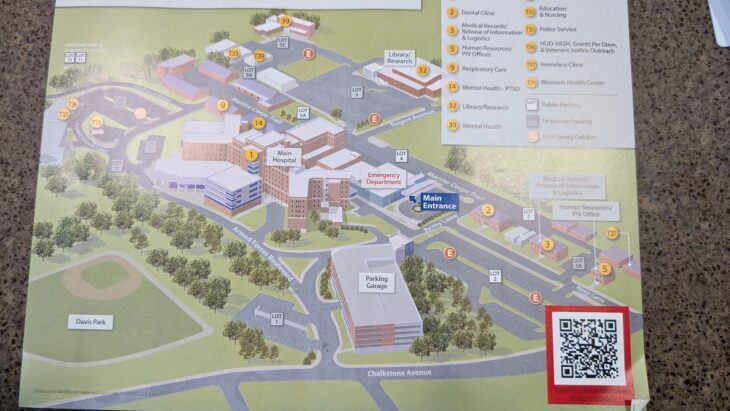
Located at the Providence VA Medical Center, the program offers inpatient, outpatient, residential and medication assisted treatment for concerns ranging from unhealthy alcohol use to life-threatening addiction.
Care is individualized and integrated with broader mental health, medical and social services to support whole-person recovery.
Veteran Centered Addiction Treatment Programs at the Providence VA
Veterans can begin with an assessment and referral, then access services including inpatient detox, hospital inpatient treatment, intensive outpatient and general outpatient care.
A 24-hour residential program provides therapeutic and educational programs focused on rehabilitation, health maintenance and community support.
Treatment, I’ve learned, includes individual, group, family and couples counseling, along with approaches such as CBT, DBT, motivational interviewing and relapse prevention planning.
As a SAMHSA certified Opioid Treatment Program, the center offers medications including methadone, buprenorphine and naltrexone, with dual diagnosis and trauma related care.
Quick Facts: the Providence VA Recovery Program
- Location: 830 Chalkstone Avenue on the Providence VA Medical Center campus in Rhode Island
- Levels of care: Inpatient, outpatient, detox, residential and outpatient MAT
- Who they treat: Veterans and active duty members
- Approach: CBT, DBT, motivational interviewing, Matrix Model and trauma informed care.
- Payment options: VA benefits, TRICARE, Medicaid, Medicare, private insurance and self-pay
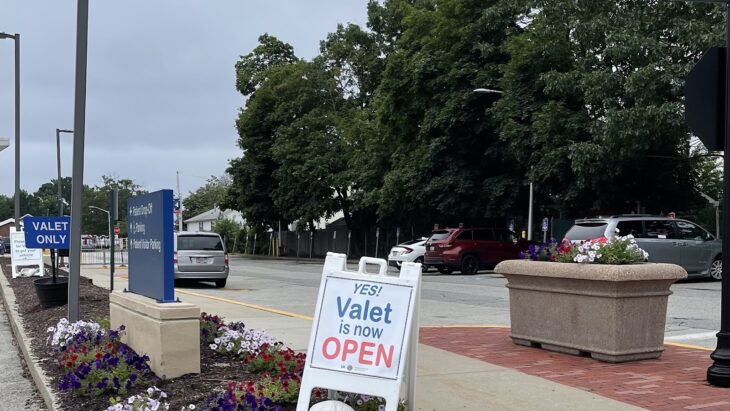
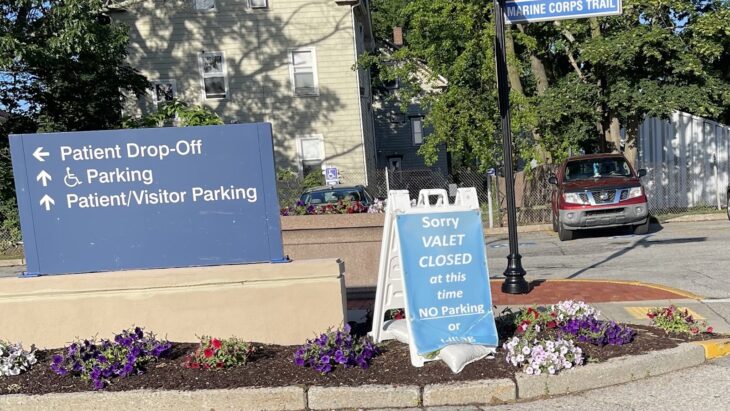
- Amenities: Free parking garage, valet service for Veterans and transportation support
Getting Care
Addiction care at the Providence VA Medical Center is by appointment and requires a referral, with virtual visits available for eligible Veterans.
The intake team can review eligibility, explain available programs and help confirm coverage options.
| Levels of Care | Detox Service Setting | Programs | Payment Options | Medications Offered | ||
|---|---|---|---|---|---|---|
|
In outpatient therapy, you’ll attend therapy sessions several times each week while living at home. This is ideal if you have a strong support system and a lower risk of relapse. Outpatient treatment offers flexibility to maintain work, school or family obligations. |
Inpatient and residential programs provide round-the-clock medical and emotional support as you live at the treatment facility. This level of care may be recommended if you have severe addictions or mental health conditions since it removes outside distractions and allows you to focus solely on therapy. |
Intensive Outpatient
|
||||
|
Hospital detoxification allows you to withdraw from drugs or alcohol in a hospital setting. It’s ideal for people with severe withdrawal symptoms or complex medical needs. You’ll receive constant monitoring, emergency care if needed and FDA approved prescription medications. |
Inpatient detox occurs in a dedicated treatment facility. You’ll live there around the clock and receive intensive medical support and supervision to help manage your withdrawal symptoms. It is suitable for individuals with moderate to severe addictions as it ensures a stable detox environment. |
Outpatient detox gives you access to medically supervised withdrawal services while still allowing you to live at home. You’ll attend a clinic for treatment and monitoring. This flexible option is suitable for those with mild to moderate withdrawal symptoms who have strong support systems. |
Medication assisted treatment combines medication and counseling to manage withdrawal and reduce cravings for opioid and alcohol addiction. Medications may include methadone, buprenorphine or naltrexone. MAT is tailored to your needs so you can actively participate in your treatment journey. |
|||
|
Adult programs address the substance use and life challenges specific to adults. Therapists can deliver sessions in individual, group and family settings. Services often include job support and life skills training in a structured environment.
|
Young adult programs are designed for individuals who are transitioning into adulthood. Topics of discussion typically include identity, independence and peer relationships. Providers may also offer life skills training and career support.
|
Women's programs offer a safe and supportive space to focus on gender specific issues such as trauma, family roles and mental health conditions. Therapists tailor the sessions to address women's needs and foster empowerment in a healing and nurturing environment.
|
Men's programs address substance use while also considering the social pressures, family roles and mental health concerns that are specific to men. You’ll learn healthy coping mechanisms as you build emotional resilience and develop communication skills.
|
Military and veteran programs offer specialized support for clients who served in the armed services. Programs focus on reintegration and healing within a structured and supportive environment that acknowledges the unique struggles of military life. |
Drug detox programs support individuals who are withdrawing from addictive substances like cocaine and heroin. Medical support helps you manage symptoms in a controlled and safe environment so you can achieve initial sobriety. |
Alcohol detox programs offer medical support to help individuals withdraw safely from alcohol. Your care team may use medications to ease your symptoms and provide medical monitoring to address complications. |
|
Self Pay
|
Medicaid
|
Medicare
|
Private Insurance
|
Military Insurance
|
||
|
Methadone
|
Acamprosate
|
Disulfiram
|
Buprenorphine
|
Naltrexone (Vivitrol)
|
Suboxone
|
Levels of Care
In outpatient therapy, you’ll attend therapy sessions several times each week while living at home. This is ideal if you have a strong support system and a lower risk of relapse. Outpatient treatment offers flexibility to maintain work, school or family obligations.
Inpatient and residential programs provide round-the-clock medical and emotional support as you live at the treatment facility. This level of care may be recommended if you have severe addictions or mental health conditions since it removes outside distractions and allows you to focus solely on therapy.
Detox Service Setting
Hospital detoxification allows you to withdraw from drugs or alcohol in a hospital setting. It’s ideal for people with severe withdrawal symptoms or complex medical needs. You’ll receive constant monitoring, emergency care if needed and FDA approved prescription medications.
Inpatient detox occurs in a dedicated treatment facility. You’ll live there around the clock and receive intensive medical support and supervision to help manage your withdrawal symptoms. It is suitable for individuals with moderate to severe addictions as it ensures a stable detox environment.
Outpatient detox gives you access to medically supervised withdrawal services while still allowing you to live at home. You’ll attend a clinic for treatment and monitoring. This flexible option is suitable for those with mild to moderate withdrawal symptoms who have strong support systems.
Medication assisted treatment combines medication and counseling to manage withdrawal and reduce cravings for opioid and alcohol addiction. Medications may include methadone, buprenorphine or naltrexone. MAT is tailored to your needs so you can actively participate in your treatment journey.
Programs
Military and veteran programs offer specialized support for clients who served in the armed services. Programs focus on reintegration and healing within a structured and supportive environment that acknowledges the unique struggles of military life.
Drug detox programs support individuals who are withdrawing from addictive substances like cocaine and heroin. Medical support helps you manage symptoms in a controlled and safe environment so you can achieve initial sobriety.
Alcohol detox programs offer medical support to help individuals withdraw safely from alcohol. Your care team may use medications to ease your symptoms and provide medical monitoring to address complications.
Medications Offered
Amenities
Accreditations


Accepted Insurance
Contact


- Monday 8AM - 6PM
- Tuesday 8AM - 6PM
- Wednesday 8AM - 6PM
- Thursday 8AM - 6PM
- Friday 8AM - 6PM

Maygen Brockway, MTC, lives in scenic Southern Utah and has over 10 years of editing and writing experience. She’s created content for the medical, wedding, fashion, and technical industries. She loves poetry and coffee, writing, and being a social butterfly and a mom.
Detox.com regularly reviews this listing for accuracy but changes may occur between updates. For the most up-to-date information, please contact Veterans Affairs Medical Center Collaborative Add and Recovery Program.
Nearby Detox Centers



Search by Rhode Island Cities
FAQs
What detox programs does Veterans Affairs Medical Center offer in Providence?
The Veterans Affairs Medical Center Collaborative Add and Recovery Program in Providence, RI offers both inpatient and outpatient detoxification services. The facility provides detox for alcohol and drug dependencies across multiple levels of care, including inpatient detox, intensive outpatient programs, and standard outpatient detox services for eligible veterans and military-connected individuals.
Does the Providence VA provide medical detox for both alcohol and opioid addiction?
Yes, the Veterans Affairs Medical Center Collaborative Add and Recovery Program provides medical detox for alcohol dependence and drug dependence. The facility offers inpatient medical detoxification as well as intensive outpatient and outpatient detox options, allowing the medical team to match the intensity of care to each individual’s clinical needs.
What insurance does the Providence VA detox program accept for veterans?
The Veterans Affairs Medical Center Collaborative Add and Recovery Program accepts Tricare, Medicare, and Medicaid. Military insurance, including Tricare, is a primary payment option. Veterans should verify their specific eligibility and coverage details during the intake and assessment process with the facility.
What levels of detox care are available at the Providence Veterans Affairs Medical Center?
The facility provides three levels of detoxification care: inpatient detox for medically supervised withdrawal, intensive outpatient programs for those requiring structured daily treatment, and standard outpatient detox for individuals with less acute needs. This tiered approach allows the medical team to match care intensity to each person’s clinical and personal circumstances.
Who is eligible for detox services at the Providence VA facility?
The Veterans Affairs Medical Center Collaborative Add and Recovery Program serves military veterans and military-connected individuals age 18 and older seeking detoxification services. Eligibility is determined based on VA benefits status and military service. Individuals should contact the facility during the intake process to confirm their eligibility for specific programs.