800-671-4304
DEA Rule Makes Medication-Assisted Treatment More Accessible
Published: 06/15/2026
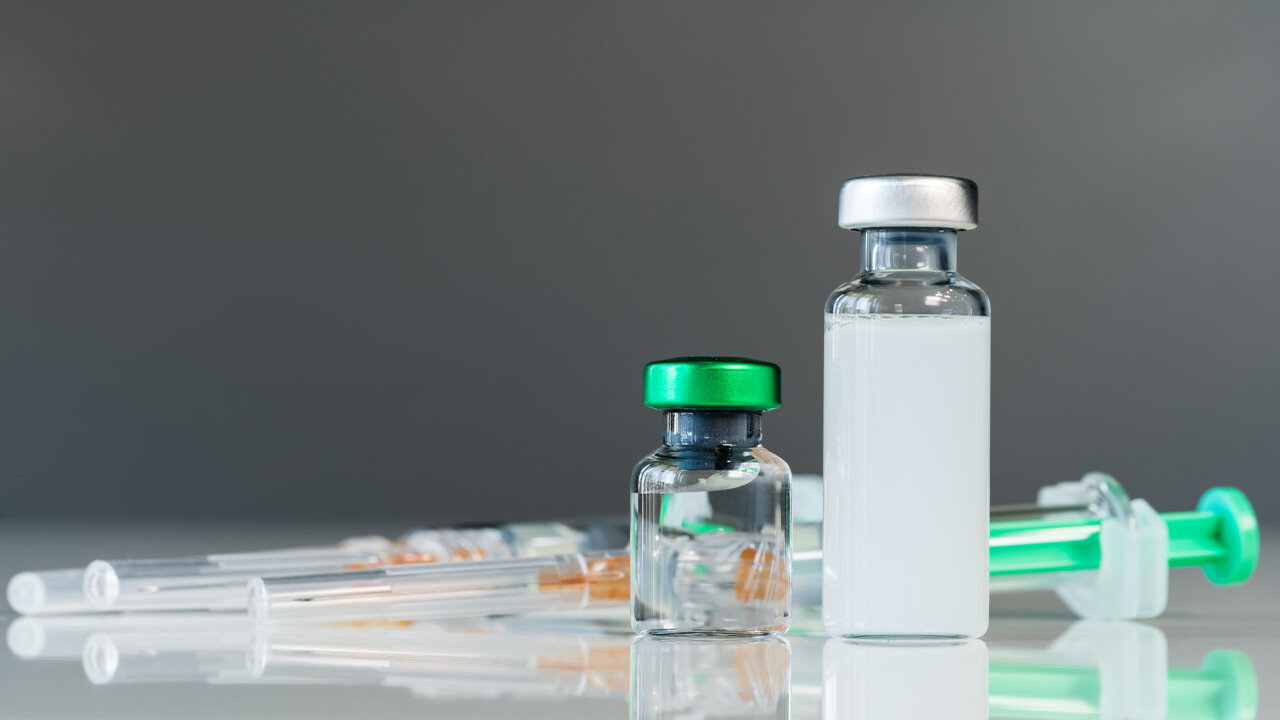
A landmark final rule from the Drug Enforcement Administration (DEA), published June 9, 2026, formally eliminates the long-standing X-waiver requirement for medication-assisted treatment of opioid use disorder.
It also extends the window for administering injectable medications from 14 days to 45. The rule takes effect July 9, 2026, and marks a significant shift in how opioid detox and maintenance treatment can be delivered across the country.
What the X-Waiver Was and Why It Mattered
For years, clinicians who wanted to prescribe buprenorphine (Suboxone) for opioid use disorder (OUD) needed a special federal waiver, commonly called the DATA waiver or X-waiver, on top of their standard DEA registration.
This separate credentialing process created a bottleneck that limited how many providers could offer medication-assisted treatment and capped the number of patients each prescriber could treat.
Congress technically eliminated the waiver in 2022 through the Restoring Hope for Mental Health and Well-Being Act, but the DEA had not yet updated its own regulations to reflect that change.
This final rule closes that gap, formally removing the DATA-waiver program from federal code and replacing it with a streamlined one-time training requirement.
What the New Rule Requires
Under the finalized rule, any clinician seeking a new or renewed DEA registration to prescribe controlled substances in Schedules II through V, which includes medications used in opioid detox and maintenance treatment like methadone and buprenorphine, must complete a one-time, 8-hour training on treating patients with substance use disorders.
The training is available online at no cost and can be completed in cumulative sessions. There is no longer a federal limit on the number of patients a practitioner may treat for opioid detox or maintenance. Patient caps are gone entirely.
The 45-Day Injectable Window
One of the most operationally significant changes affects long-acting injectable forms of medication-assisted treatment, such as extended-release naltrexone (Vivitrol) and injectable buprenorphine.
Previously, once a pharmacy delivered these medications to a prescribing or administering clinician, they had only 14 days to administer the dose to the named patient, a timeline providers widely described as unworkable given scheduling challenges, insurance delays, and shipping logistics.
The final rule extends that window to 45 days. The clock starts when the clinician physically receives the medication, not when it is prescribed or shipped.
This matters for patients in detox and early recovery, who may face housing instability, transportation barriers or difficulty keeping scheduled appointments. Any medication unused after 45 days may require destruction under applicable state law and cannot be kept as general inventory.
Why Medical Detox Providers Are Taking Notice
For opioid treatment programs (OTPs), primary care clinics, rural health systems, and emergency departments, the 45-day window makes long-acting injectable medication-assisted treatment significantly more feasible to offer without taking on excessive financial risk.
Previously, the narrow administration window made many clinicians hesitant to order patient-specific injectable doses they might need to destroy if an appointment was missed.
The DEA rule also makes clear that the administering clinician does not need to be the same provider who prescribed the medication, as long as both are individually registered with the DEA and operating within their state’s scope of practice.
Finding Medication-Assisted Treatment for Opioid Detox
If you or someone you love is dependent on opioids, attempting to stop without medical supervision can be dangerous. Opioid withdrawal, while rarely life-threatening on its own, significantly increases the risk of relapse and fatal overdose as tolerance drops rapidly during detox.
Medically supervised detox with MAT is the safest and most evidence-based path. Explore detox.com’s directory of detox centers or call 800-996-6135 to find medically supervised detox programs and medication-assisted treatment near you.