800-671-4304
New GLP-1 Drug Studied as Alcohol Detox Treatment Option
Published: 06/17/2026
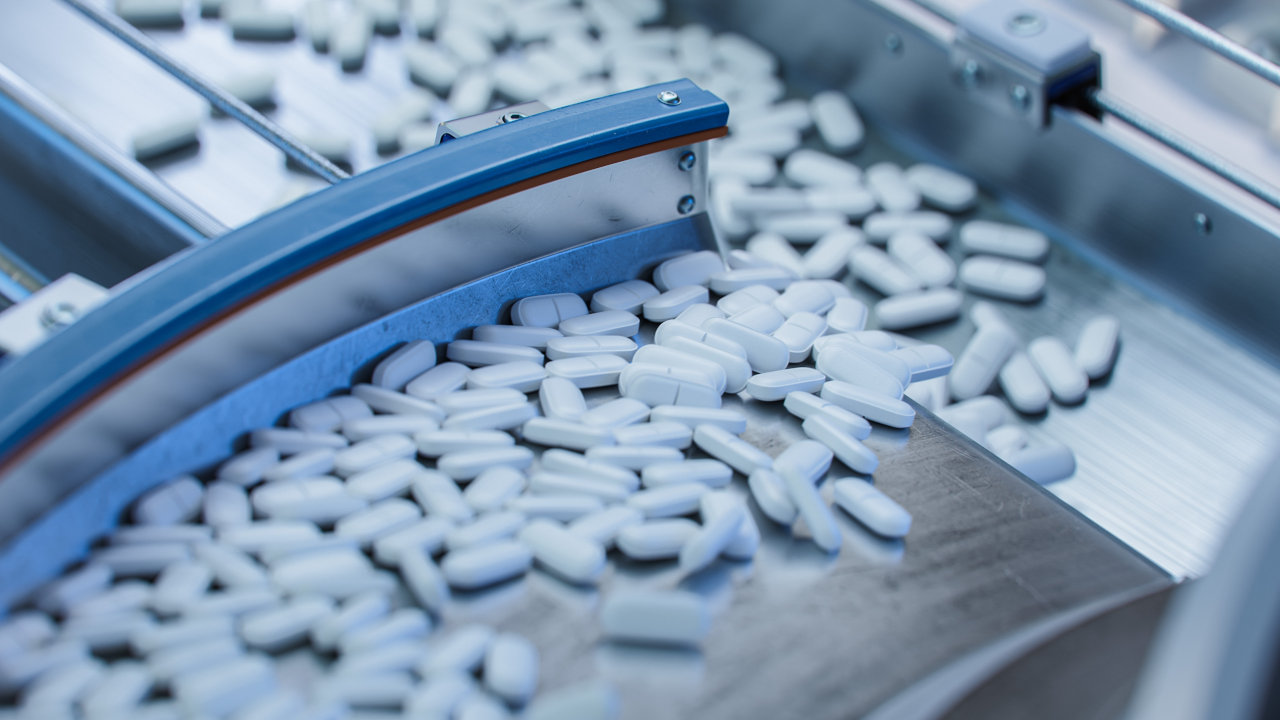
A new clinical trial using GLP-1 medication at the University of Washington could change how physicians approach alcohol detox treatment and withdrawal management. Researchers are testing brenipatide, a novel GLP-1/GIP made by Eli Lilly, to determine whether it can reduce alcohol cravings and dangerous drinking patterns in people with moderate to severe alcohol use disorder.
The 14-month Phase 3 study involves 30 sites across the United States, with UW Medicine serving as the only Pacific Northwest location. Participants between the ages of 18 and 75 receive either the investigational drug or a placebo. The trial’s primary goal is to determine whether brenipatide cuts cravings and reduces high-consumption drinking days.
Medical Detox Matters for Alcohol Use Disorder
Alcohol withdrawal remains among the most medically dangerous detox processes a person can undergo. Unlike opioid withdrawal, which rarely proves fatal, alcohol withdrawal can trigger life-threatening seizures and delirium tremens (DTs). The DTs is a severe condition that requires immediate medical intervention. Anyone with moderate to severe alcohol dependence should never attempt to stop drinking without medical supervision.
Currently approved medications for alcohol use disorder — including naltrexone, acamprosate, and disulfiram — manage cravings and support sobriety after medical detox. However, uptake remains low. Researchers note the limited number of treatment options for alcohol use disorder, and this study could help determine whether brenipatide becomes a new option pending a future FDA decision.
Understanding GLP-1 Drugs and Alcohol Treatment
GLP-1 (glucagon-like peptide-1) receptor agonists are a class of medications originally developed to treat type 2 diabetes and, more recently, obesity. Brand names like Ozempic and Wegovy have made them widely recognized. But emerging research is pointing toward a broader role in addiction medicine.
Early evidence suggests GLP-1 drugs may help curb addictive behaviors by affecting the brain’s mesolimbic pathway. It’s the neural circuit associated with reward and desire. In plain terms, these medications may reduce the brain’s chemical “pull” toward alcohol, similar to how they blunt hunger signals.
A large analysis of more than 600,000 U.S. veterans found that GLP-1 use was associated with an 18% reduced risk of developing alcohol use disorder and a 14% reduced risk of developing any substance use disorder, compared to patients treated with non-GLP-1 diabetes medications.
Dr. Mark Duncan, an addiction psychiatrist at UW Medicine and the trial’s principal investigator, described this as potentially “a unique and powerful new medication treatment for alcohol use disorder in the past 20 years.”
The Brenipatide Trial
Researchers seek to learn whether brenipatide can reduce alcohol cravings, decrease high-consumption drinking days and lower overall drinking frequency.
UW addiction psychologist Dr. Mary Hatch noted that the significance of making GLP-1 more accessibile. She hopes that future primary care providers can widely prescribe these and other medications for alcohol use disorder, which might be more accessible than traditional inpatient rehab and therapy.
Patients and the public must understand, however, that a medication like brenipatide would be used as a treatment after safe medical detox, not as a substitute for it. Folks physically dependent on alcohol still require medically supervised withdrawal before beginning any ongoing pharmacotherapy.
Levels of Medical Detox Care
For those with alcohol dependence, the appropriate level of care during withdrawal depends on severity:
- ASAM Level 4 (Medically-Managed Intensive Inpatient): For patients at high risk of severe withdrawal complications, including seizures or DTs. Requires 24-hour physician management.
- ASAM Level 3.7 (Medically-Monitored Inpatient): For patients needing round-the-clock nursing supervision but not intensive physician staffing.
- ASAM Level 3.2 (Clinically-Managed Residential): For patients with lower medical risk who still need a structured, supervised environment during early recovery.
A medical professional can assess which level works best based on a patient’s drinking history, prior withdrawal episodes, and overall health.
Finding Alcohol Detox Programs in the Country
If you or someone you love is dependent on alcohol, safe withdrawal starts with professional medical detox. Never attempt alcohol detox at home. Seizures can occur within hours of the last drink, and without medical intervention, they can be fatal.
Medical detox centers provide FDA-approved medications such as benzodiazepines to prevent seizures, as well as monitoring and support throughout the withdrawal process. Medication-assisted treatment (MAT) options may then follow to support sustained recovery.
There’s no need to wait for brenipatide to enter the market. Call 800-996-6135 to speak with a specialist, or simply find medically supervised alcohol detox centers anywhere in the country by browsing our directory.