800-671-4304
1 in 10 Opioid Treatment Patients Use Extra Medication, Study Finds
Published: 07/13/2026
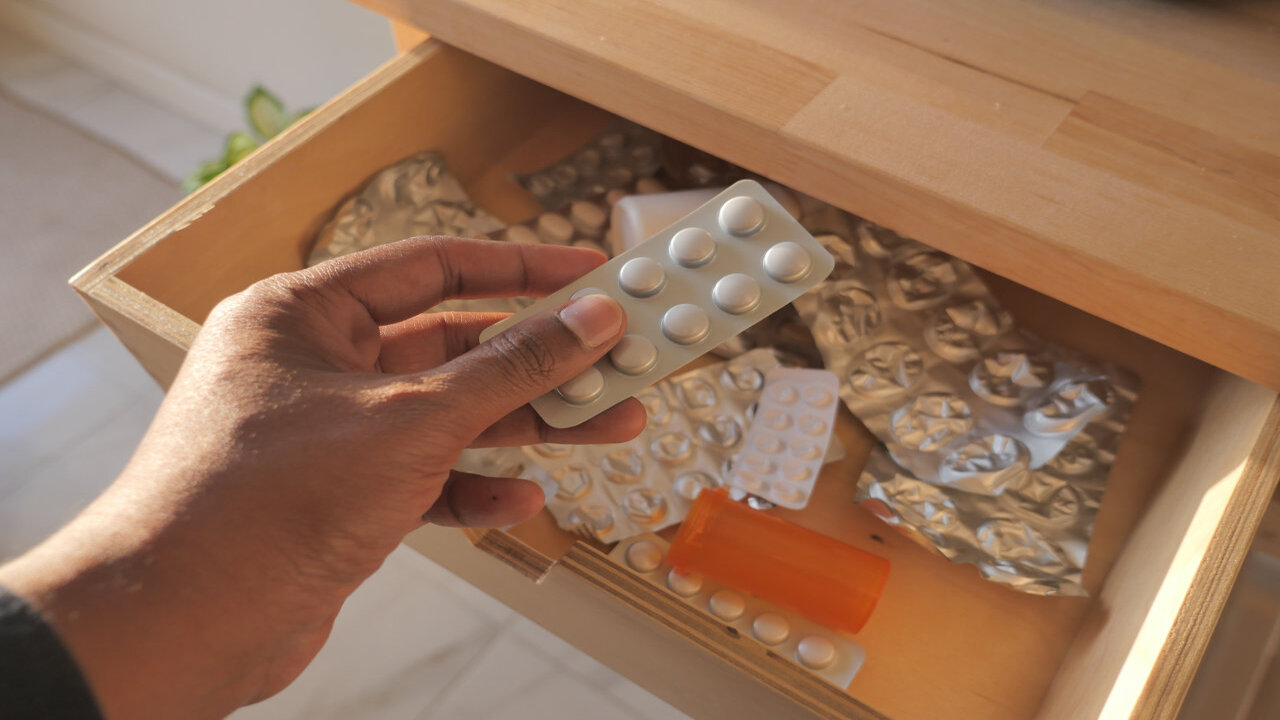
A new study suggests that current dosing guidelines for medication-assisted treatment (MAT) may not be keeping pace with today’s fentanyl-dominated drug supply.
Researchers found that among adults already receiving legally prescribed buprenorphine or methadone, roughly 1 in 10 treatment visits involved some use of that same medication outside how a provider had directed, often described in the study as “extra-medical” use.
Why Medical Detox and MOUD Access Matter
The study, published in the journal Drug and Alcohol Review, drew on data from the ALIVE cohort, a long-running research study of adults in Baltimore with a history of injection drug use.
Researchers led by Kyle Moon and Becky Genberg analyzed 1,325 treatment visits from 641 participants between January 2023 and December 2024, all of whom had been prescribed methadone or buprenorphine, both FDA-approved medications for opioid use disorder, in the prior six months.
Extra-medical MOUD use, meaning use of the same medication in a way not directed by a provider, was reported at 129 visits, or about 10%. Looked at across individuals rather than visits, 18% of participants reported this kind of use at least once during the two-year study period.
Researchers were careful to note that this pattern is often linked to therapeutic self-management, such as easing withdrawal symptoms, rather than misuse for intoxication.
What May Be Driving the Pattern
Certain factors were strongly associated with extra-medical MOUD use, according to the study. Visits involving recent injection drug use, use of multiple substances, active withdrawal symptoms, and depressive symptoms all showed significantly higher odds of extra-medical use.
Recent homelessness and recent incarceration were also linked to higher rates, suggesting that instability and gaps in care access play a role. The dosing findings differed by medication.
For methadone, people who had been in treatment less than six months had meaningfully higher odds of extra-medical use than those with longer treatment tenure, while prescribed dose itself was not linked to the pattern.
For buprenorphine, the opposite showed up: people prescribed 16 milligrams or more of sublingual buprenorphine had higher odds of extra-medical use than those on lower doses, while how long someone had been in treatment did not appear to matter.
Understanding Medication-Assisted Treatment Dosing
Medication-assisted treatment combines FDA-approved medications, primarily methadone, buprenorphine, and naltrexone, with counseling to treat opioid use disorder.
Methadone and buprenorphine both work by acting on opioid receptors in the brain to reduce withdrawal symptoms and cravings without producing the same high as illicit opioids, when taken as prescribed.
The study’s authors point out that current MOUD dosing guidelines were largely developed during the heroin era and have not been substantially updated even as illicitly manufactured fentanyl has come to dominate the illicit opioid supply.
Emerging evidence suggests higher doses may be needed to adequately treat opioid use disorder now, and this study’s finding that higher buprenorphine doses were associated with more extra-medical use could reflect patients whose prescribed dose still was not fully controlling withdrawal or cravings.
Levels of Care and Why Supervision Still Matters
This research does not suggest that buprenorphine or methadone treatment are unsafe when properly prescribed. Both remain the most effective treatments available for opioid use disorder, backed by decades of evidence showing reduced overdose risk and improved outcomes.
What the findings point to instead is a gap between current dosing protocols and what some patients may need, particularly given how much more potent the opioid supply has become.
Never attempt to adjust a MOUD dose independently or supplement a prescription with medication obtained outside a treatment setting without medical guidance, since combining sources can create unpredictable risk.
If withdrawal symptoms or cravings are not adequately controlled, the safest step is a conversation with a treatment provider about adjusting the dose, the medication, or the level of care, not self-adjustment.
Finding Medical Detox and MAT Support
If you or someone you love is in treatment and still experiencing withdrawal symptoms or cravings between doses:
- Talk to your treatment provider about whether your current dose or medication is adequate for the current drug supply
- Ask about the differences between methadone, buprenorphine, and naltrexone if your current medication is not working well for you
- Never attempt at-home adjustments to a controlled medication like buprenorphine or methadone
You can search detox.com’s listing for detox centers that offer updated, fentanyl-era dosing protocols. Call 800-996-6135 to find medically supervised detox and medication-assisted treatment programs.