800-671-4304
$30M Clinical Trial Will Test Alcohol Withdrawal Medications
Published: 08/28/2026
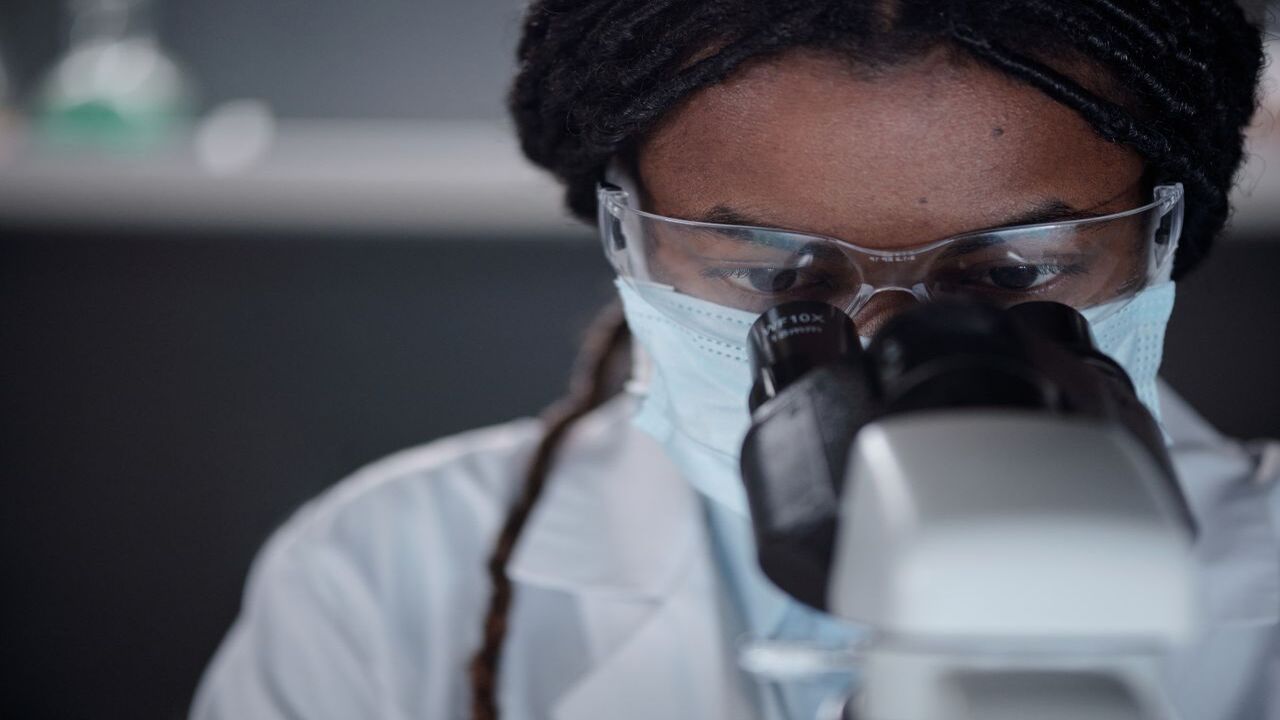
The question of which medication best manages alcohol withdrawal has never been settled, and hospitals answer it differently depending on where you walk in. A large new trial is designed to fix that, and the outcome will shape how medical detox is delivered for alcohol dependence.
University of Utah Health has been awarded $30 million from the Patient-Centered Outcomes Research Institute to compare phenobarbital, a newer approach, against benzodiazepines, the long-established standard of care. The award was announced August 25, 2026.
Why Alcohol Withdrawal Needs Medical Supervision
Alcohol withdrawal syndrome affects an estimated 16% of people admitted to US hospitals, according to University of Utah Health. It can begin when someone who drinks regularly stops abruptly, and the symptoms run from agitation and hallucinations through seizures and, in the most severe cases, death.
That range is the whole reason alcohol detox belongs in a supervised setting. Withdrawal can look manageable in the first hours and escalate sharply afterward, and the people at highest risk are not always obvious at intake.
What the Trial Will Measure
The study will run as two large multicenter randomized clinical trials involving 8,400 patients across 19 hospitals. Valerie Vaughn, MD, associate professor of internal medicine at the Spencer Fox Eccles School of Medicine at the University of Utah, will lead it.
Richard Holubkov, PhD, professor of pediatrics and an investigator at the Utah Data Coordinating Center, will handle data collection and analysis across sites.
The primary outcome is how long it takes to bring withdrawal symptoms under control. For patients at higher risk of severe complications, the trial will assess which medication works faster and more safely.
For lower-risk patients, it will compare medication and dosing strategies. Researchers also plan to measure effects on nursing workload, hospital operations, and patient experience.
She added that inconsistent practice can harm patients physically and can also make it harder to build the relationships that help someone move into longer-term alcohol treatment.
Understanding Phenobarbital and Benzodiazepines
Benzodiazepines such as lorazepam, diazepam and chlordiazepoxide have been the first-line treatment for alcohol withdrawal for decades. They act on the same GABA receptors alcohol does, which is why they reduce agitation and lower seizure risk during withdrawal.
Phenobarbital is a barbiturate. It also works on GABA receptors but has a longer duration of action and a different dosing profile, which is part of why some clinicians have moved toward it for severe presentations. Both are prescription medications that require monitoring, and neither is something a person can safely manage alone.
What Comes After Withdrawal Management
Getting through withdrawal is stabilization, not treatment. Medications approved for alcohol use disorder, including naltrexone, acamprosate and disulfiram, can be started after the acute phase to support long-term recovery, and this is where the transition out of detox matters most.
Vaughn’s point about relationships is the practical one for readers. How a person is treated during the worst few days affects whether they stay engaged with care afterward.
Detox Is Not Waiting on This Trial
The award is pending completion of PCORI’s business and programmatic review and a formal contract, and the study begins with a feasibility phase before the full trial. Results are years out.
None of that changes what to do now. Both medications are already in use, both are given under supervision, and the current standard of care is well established. The trial is about refining an existing practice, not replacing it.
Finding Medical Detox
Never attempt alcohol or benzodiazepine detox without medical supervision. Withdrawal from either can cause seizures and can become fatal. If withdrawal has already started and symptoms include confusion, a racing heart, severe tremors or a seizure, that is a medical emergency.
Steps to take:
Search medically supervised detox programs and compare levels of care and insurance accepted
Ask whether the program has a physician on site and how it monitors withdrawal severity
Ask which medications it uses for alcohol withdrawal and how dosing is decided
Ask what happens after detox, including whether medication for alcohol use disorder is available
Call SAMHSA’s National Helpline at 1-800-662-4357 for free, confidential referrals around the clock
Detox.com lists detox centers nationwide so you can compare medical supervision, substances treated, and insurance accepted. Call 800-996-6135 to learn more information about treatment options near you.