800-671-4304
5,000 Free Naloxone Doses Distributed From Maryland’s Purple Boxes
Published: 11/17/2026
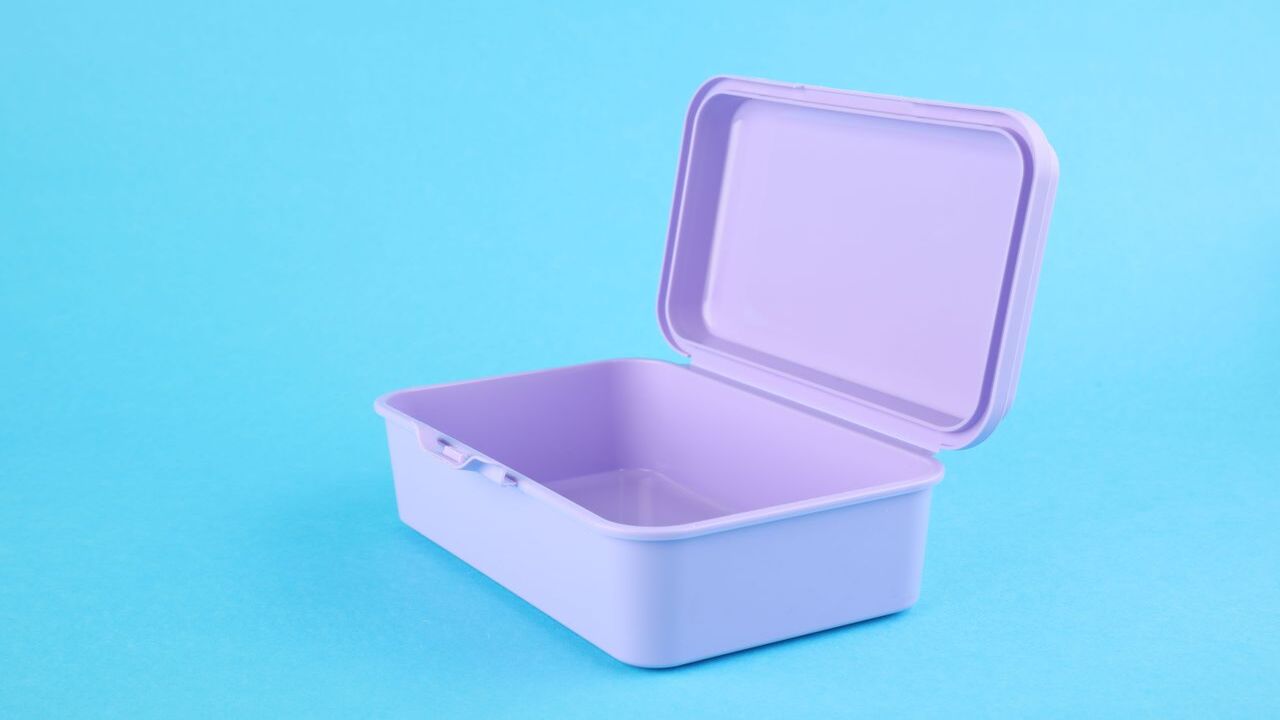
Purple boxes mounted outside shops, churches, and parks across Maryland’s Mid-Shore have distributed close to 5,000 free doses of naloxone over the past year, a supply that keeps people alive long enough to reach drug detox in Maryland and the treatment that follows it.
The boxes, known as Barneys, hold naloxone, drug test strips, and other health resources. Anyone can open one and take what they need, at any hour, with no questions and no cost.
What Is Inside the Purple Barney Boxes
Naloxone, commonly sold under the brand name Narcan, reverses the effects of an opioid overdose. Each Barney box keeps the medication within reach in the places people actually pass: a mini mart in Cambridge, a church in Denton, a park in Tilghman, a motel in Easton.
Grace Street, a recovery community organization based in Easton, Maryland, runs the program. The group set up the Delmarva Peninsula’s first public health vending machine for overdose prevention three years ago, and the machine inspired the boxes.
A Dozen Boxes Across Four Counties
Grace Street began placing the boxes in Queen Anne’s, Talbot, Caroline, and Dorchester counties about two years ago, with state grants paying for the medication. About a dozen boxes are now in place, and the organization restocks them every week.
The Neighborhood Service Center in Easton was the first partner organization to host one. “One of the biggest things about the Barney boxes is 24 seven access. Even when we’re not here,” said Andy Hollins, the center’s executive director. “So it makes it readily available to anybody in need.”
Deadrein Jones, owner of Jones Mini Mart in Cambridge, keeps a box in front of his store and checks on the people who use it. “People come daily, you know, it’s a blessing,” Jones said. “Every now and then they’re sleeping outside and you don’t know if they’re dead or alive, but, you know, we’re going to check on them.”
Why Winter Raises the Stakes on the Mid-Shore
Callaghan said drug use tends to rise as temperatures drop, when people without housing search for warm places and shelter space runs thin. She pointed to a second, less visible danger.
“When people are using substances, they tend to not feel the cold,” she said, adding that people outside can face serious health problems, including freezing, without realizing how cold they are.
Naloxone still works in cold weather and can be stored in a car, Callaghan said, which makes the outdoor boxes dependable through the season.
She also hopes the boxes chip away at the stigma around carrying naloxone. “Anything that can help somebody stay alive, why not do it?” she said. “If we have the ability to keep our people alive, I don’t see why we wouldn’t do that.”
From Overdose Reversal to Drug Detox in Maryland
Naloxone treats the overdose, not the addiction behind it. For people dependent on opioids, the days after a reversal are when withdrawal symptoms start, and withdrawal is what pushes many people back to using. Medically supervised detox manages those symptoms safely, and medication-assisted treatment with buprenorphine, methadone, or naltrexone can follow it.
The distinction matters for families on the Mid-Shore. Opioid withdrawal is usually not life-threatening on its own, but drug detox in Maryland gives patients medical monitoring around the clock, eases symptoms, and connects them to longer-term care.
Alcohol and benzodiazepine withdrawal are different: both can be fatal without medical supervision, and neither should ever be attempted alone at home.
Finding Medical Detox on Maryland’s Eastern Shore
Grace Street operates a 24/7 peer line at 443-439-1820 for anyone who needs help in the moment, and its boxes stay stocked in four counties through the winter.
For the next step, medical detox programs across Maryland’s Eastern Shore accept patients after an overdose reversal and can coordinate medication-assisted treatment from the first day of withdrawal.
Detox.com maintains a directory of detox centers in Maryland and neighboring states, searchable by substance, insurance, and level of medical care. Get in touch with a treatment advisor by calling 800-996-6135 .