800-671-4304
Alcohol Detox Urged as Heavy Drinking Raises Stroke Risk
Published: 12/1/2025
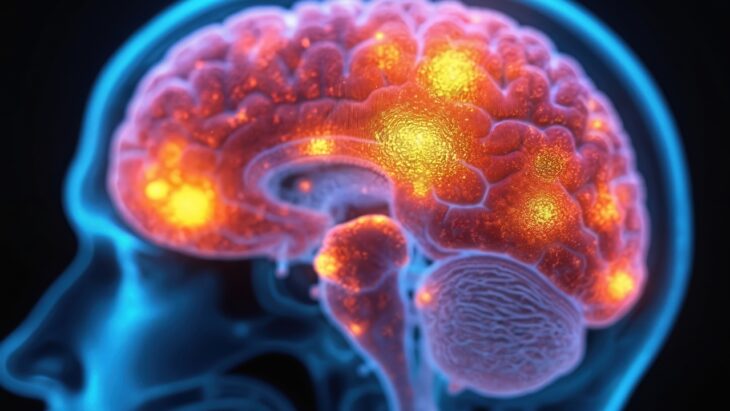
According to a recent study, there is a clear connection between alcohol detox and stroke risk, showing that heavy drinking can lead to early and severe bleeding strokes.
People with alcohol addiction or those who drink three or more alcoholic drinks per day regularly, according to researchers, were more likely to suffer an intracerebral hemorrhage with greater severity and at a younger age than those who had fewer than three drinks per day. An intracerebral hemorrhage is a stroke that is caused by bleeding in the brain.
Heavy Drinking and Early Stroke Risk
Cerebral small vessel disease, researchers found, was also more likely to be seen in heavy drinkers. The disease is characterized by damage to the brain’s small blood vessels and is a type of long-term brain damage.
M. Edip Gurol is a physician at Harvard and a member of the American Academy of Neurology, stated, “Intracerebral hemorrhage is the most deadly type of stroke with cerebral small vessel disease being its leading cause. While heavy drinking has been linked in previous studies to an increased risk of stroke, our findings suggest that it doesn’t just increase the severity of the bleeding stroke, it may also accelerate long-term harm to the brain’s small vessels.”
The study was conducted on individuals who had been hospitalized for intracerebral hemorrhage. There were 1,600 adults in the study and the average age was 75. Information regarding their alcohol use was given on hospital admission by the patient or an accompanying person.
Heavy alcohol use was defined by the researchers as three or more daily alcoholic drinks. One drink is 0.6 ounces or 14 grams. This translates to 1.5 ounces of liquor, five ounces of wine, or 12 ounces of beer. Of the 1,600 participants, 7% (104 people) met the heavy alcohol use criteria.
Clinicians administered brain scans to assess how severe patients’ strokes were and looked for any signs of cerebral small vessel disease. Scans from heavy drinkers were compared to scans from participants who drank no alcohol at all and others who drank fewer than three drinks per day.
Alcohol’s Effects on the Vascular System
According to researchers, strokes were seen at an average age of 64 in the heavy drinkers as compared to age 75 for the non-heavy drinkers, an 11-year age difference. Additionally, heavy drinkers had 70% larger brain bleeds on average and were twice as likely to bleed into deeper brain regions.
They were also twice as likely to have intraventricular extension which is when bleeding spreads into the brain’s fluid-filled spaces. These findings usually indicate poor health outcomes and recovery among all individuals who have brain bleeds.
Also notable is that heavy drinkers were three times more likely to show severe signs of white matter hyperintensities, which is white matter damage commonly caused by cerebral small vessel disease. The heavy drinkers were twice as likely to have a pattern of cerebral small vessel disease associated with chronic damage from high blood pressure.
How Alcohol Detox Can Reduce Risk
The heavy drinkers additionally had slightly higher blood pressure and lower blood platelet counts when admitted to the hospital versus non-heavy drinking individuals. These are further factors that potentially contribute to the severity of the stroke and how well an individual recovers.
Dr. Gurol noted, “Reducing heavy alcohol use may not only lower a person’s risk of a bleeding stroke, it may also slow the progression of cerebral small vessel disease, which in turn may reduce the chances of having another stroke, cognitive decline, and long-term disability. Promoting lifestyle changes like quitting alcohol should be part of stroke prevention efforts, especially for those at higher risk.”
While the research is both compelling and disturbing, more studies are needed to fully determine the scope of the risk for chronic heavy drinkers. What seems to no longer be in question, however, is the reality that over the long term, untreated alcohol use disorder can give rise to an array of severe and often life-threatening conditions, from cardiovascular disease to some forms of cancer and beyond.
Find Alcohol Detox Near You
If you or someone you love is drinking heavily, don’t wait until a medical emergency occurs. Safe and supervised alcohol detox can protect your health and lower your risk of life threatening complications such as stroke.
Explore detox centers and rehab programs in your area or call 800-996-6135 for immediate assistance.