800-671-4304
Bipartisan Bill Would Expand Methadone Access Beyond Clinics
Published: 09/9/2026
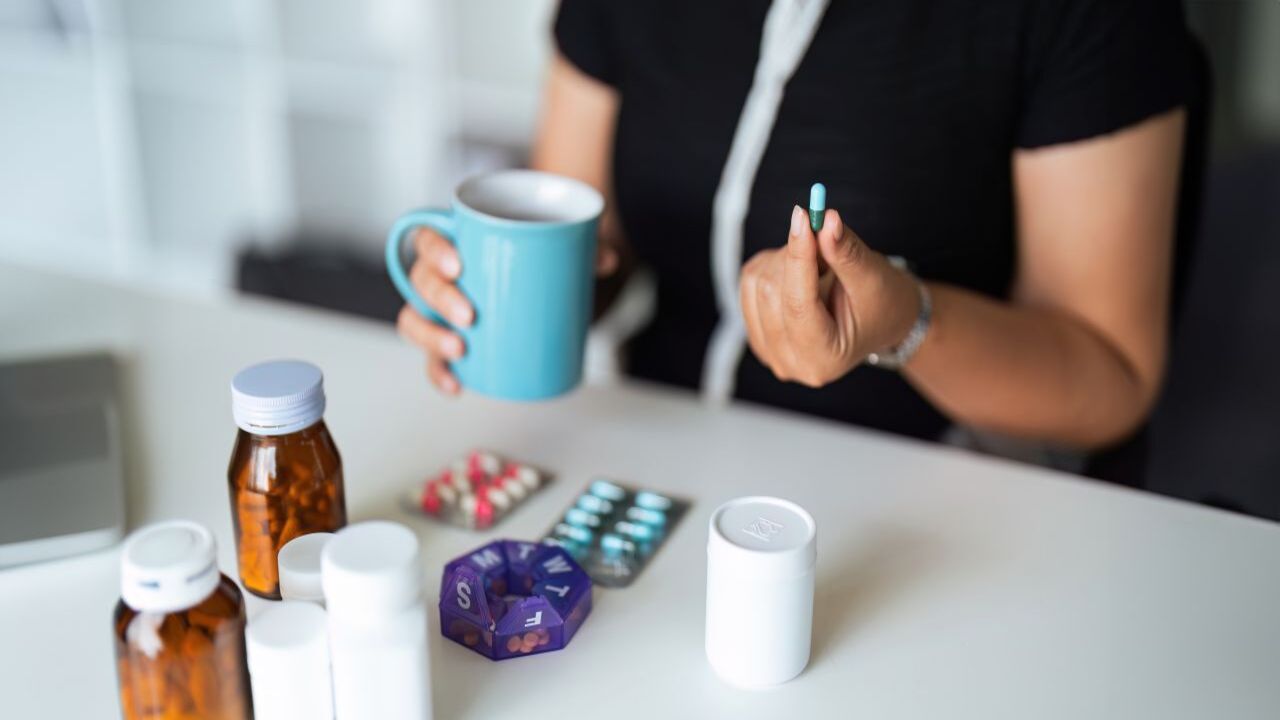
Anyone starting medication assisted treatment for opioid dependence in the United States can run into a major access issue. Methadone remains available through federally regulated opioid treatment programs. Most patients also need to appear in person for an observed daily dose.
A bipartisan bill that was introduced in June could change all of that. The proposal matters because it could affect how patients access withdrawal management and long term treatment.
How Methadone Works in Treatment
Methadone is a full opioid agonist. It binds completely to opioid receptors and helps control cravings and withdrawal.
At the right maintenance dose it can help someone stabilize without producing a high. Doctors have used methadone for more than half a century.
The American Society of Addiction Medicine reports that methadone cuts overdose death risk by half. It can be particularly useful for people whose tolerance developed from high potency synthetic opioids such as fentanyl.
Buprenorphine and naltrexone are the other FDA-approved medications for opioid use disorder. Unlike methadone, buprenorphine can already be prescribed in an ordinary office setting.
Doctors administer methadone to help manage acute opioid withdrawal in supervised detox settings. They additionally use it as maintenance treatment after withdrawal management ends.
But detox alone doesn’t address what can happen next. Reduced tolerance can raise overdose risk if someone returns to using opioids.
What the Proposed Methadone Bill Would Change
The Modernizing Opioid Treatment Access Act 2.0 could change who prescribes methadone. Sens. Ed Markey of Massachusetts and Rand Paul of Kentucky introduced the bill.
The proposal would let board certified addiction medicine physicians prescribe methadone for opioid use disorder. Retail pharmacies could also dispense it.
The bill sets several conditions. Prescribers would need separate DEA registration. Only doctors board certified in addiction medicine or doctors working for a traditional opioid treatment program could register. Pharmacies could dispense methadone only as liquid or dissolvable tablets.
States could also set stricter dispensing limits. Pharmacies could choose to report methadone prescriptions to state prescription drug monitoring programs.
Supporters point to access data when making their case. Markey and Paul cite roughly 5 million people in the United States with opioid use disorder.
Fewer than 20 percent get treatment. They also say patients travel about 4.5 times farther on average to reach a methadone clinic than a pharmacy.
The senators note that Canada, the United Kingdom and Australia allow physicians to prescribe methadone. More than 125 organizations support the bill.
An earlier version attracted 70 House co-sponsors and a dozen Senate co-sponsors in 2024. Congress was not able to advance that version.
Why Methadone Clinic Operators Disagree
The American Association for the Treatment of Opioid Dependence opposes the proposed approach. Its president Mark Parrino argues that physician overprescribing contributed to earlier methadone overdose spikes.
He says expanding prescribing authority could create similar risks. Parrino describes methadone as an unforgiving medication that requires structured treatment and specialized training.
Clinic operators have promoted a campaign called Program, Not a Pill. They argue that counseling and monitoring within an opioid treatment program helps patients sustain recovery.
Federal policy has also moved in several directions. A separate House bill would end pandemic era telehealth flexibilities in opioid treatment programs.
That proposal would affect early take home dosing. An April federal letter reaffirmed support for evidence based treatment including medications.
The letter also said medications should form part of a pathway toward long term recovery rather than automatically continue indefinitely. Detox.com has taken no position on these proposals.
Why Reduced Opioid Tolerance Can Be Dangerous
The column behind this coverage recounts the 2024 death of Sherry Lynn James. She was 77 and had remained opioid free for years.
She died from acute polydrug intoxication involving fentanyl and alcohol after taking one dose of drugs that was purchased outside a Costa Mesa California methadone clinic.
The clinical lesson applies to anyone leaving detox treatment or a long period of abstinence. Opioid tolerance can quickly fall.
A dose that someone once tolerated can become fatal. Alcohol can further suppress breathing while fentanyl remains common in the illicit drug supply.
This risk explains why clinicians connect withdrawal management with ongoing medication and support. Detox shouldn’t serve as the endpoint of treatment.
Finding Medical Detox for Opioid Withdrawal
If you need withdrawal management now look for a program that offers medication for opioid use disorder on site or through direct referral. Confirm that the program can continue the medication after detox has ended.
Never attempt alcohol or benzodiazepine detox without medical supervision. Withdrawal from either substance can cause seizures and can become fatal.
Detox.com lists medically supervised detox programs that users can filter by location level of care insurance accepted and medications offered. Call 800-996-6135 to get connected to a treatment specialist today.