800-671-4304
BUPE for Recovery Act Aims to Expand Buprenorphine Access
Published: 11/25/2026
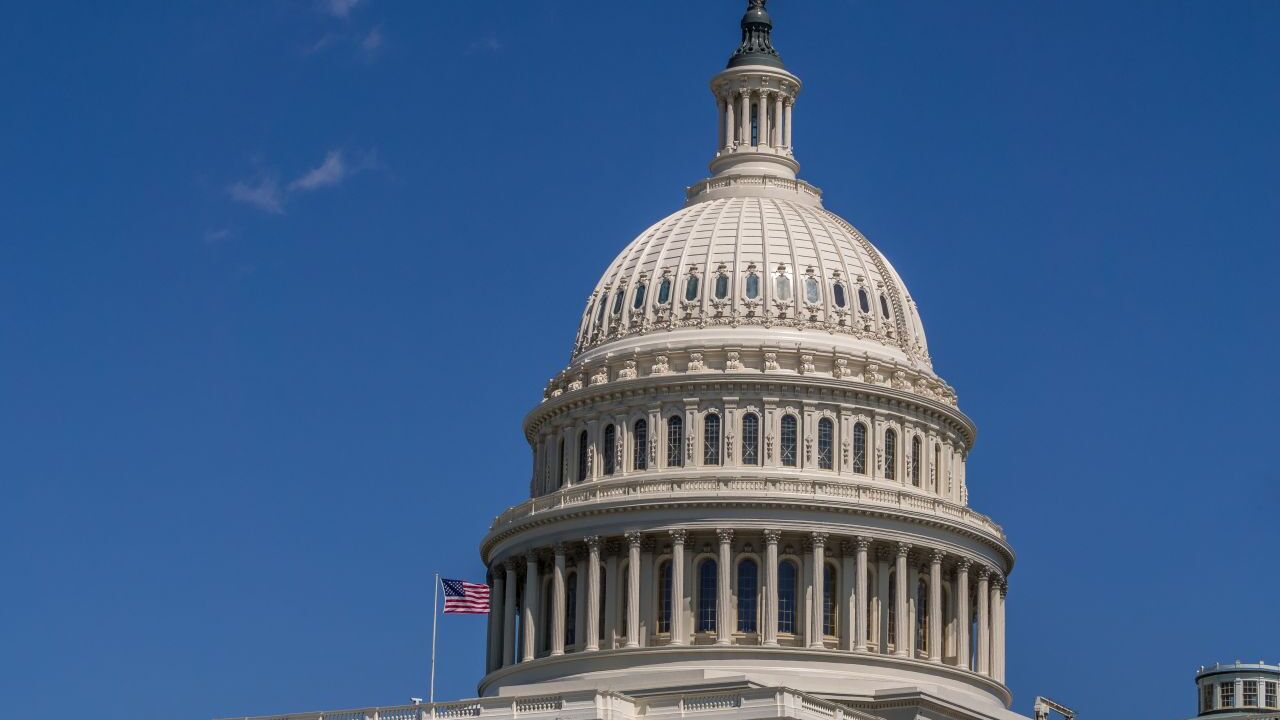
A new federal bill aims to make buprenorphine, a medication used to treat opioid addiction, easier for pharmacies to order and stock.
Senator Martin Heinrich of New Mexico and Representative Paul Tonko of New York, both Democrats, introduced the BUPE for Recovery Act on November 24, targeting a reporting system pharmacies say has made them reluctant to carry the medication, Reuters reports.
How Federal Order Tracking Affects Buprenorphine
Drug distributors such as McKesson and Cardinal Health must report suspicious orders of controlled substances to a Drug Enforcement Administration database known as SORS. Flagging can result in orders being blocked.
Buprenorphine, often called bupe, is technically an opioid, so it falls under the same reporting requirement. Heinrich’s office told Reuters the legislation is designed to remove that regulatory hurdle for pharmacies ordering the drug.
Pharmacies do not know the order thresholds that trigger a flag, and experts say fear of enforcement discourages orders. A 2025 study by University of Texas researchers found that heightened monitoring led to rationing of buprenorphine and interruptions in care.
A separate study by University of Southern California and UC Berkeley researchers found that only 38.8% of US pharmacies were regularly dispensing buprenorphine as of 2023.
Researchers say the result is fewer pharmacies willing to stock a medication that reduces overdose deaths. Buprenorphine is one of three medications commonly used in medication-assisted treatment, alongside methadone and naltrexone.
The requirement has drawn criticism from addiction physicians for years. The bill would exempt buprenorphine from the reporting requirement for the duration of the US opioid public health emergency, first declared in 2017.
Understanding Buprenorphine and Medication-Assisted Treatment
Buprenorphine has been on the market since 2002 and has been shown to reduce cravings and overdose risk. Clinicians prescribe it during medically supervised detox and as ongoing medication-assisted treatment for opioid addiction.
Unlike methadone, which is dispensed through specialized clinics, buprenorphine can be prescribed in office-based settings and picked up at retail pharmacies.
Despite that record, only 15% to 20% of Americans with addiction use medication such as buprenorphine or methadone to treat their disease, recent US surveys have shown.
Experts attribute the low figures to stigma among prescribing doctors and pharmacists, low reimbursement rates and difficulty persuading people with addiction to get help. Heinrich’s office said introducing the bill now is intended to build awareness and momentum for the next session.
What Comes Next for the Bill
A previous version of the legislation stalled in 2024. The current congressional session is wrapping up, and Democrats will control both chambers beginning January 3. The bill also requires the government to study whether buprenorphine needs to return to the reporting system after the emergency ends.
Finding Medical Detox
People dependent on opioids should not attempt withdrawal without medical guidance. Medically supervised detox programs can prescribe buprenorphine, monitor patients through withdrawal and connect patients to ongoing treatment after discharge.
Detox.com lists medical detox programs and detox centers across the country, including facilities that offer medication-assisted treatment. Call 800-996-6135 to find medically supervised detox programs near you.