800-671-4304
Eight New Detox Beds Open in Las Vegas, New Mexico
Published: 08/21/2026
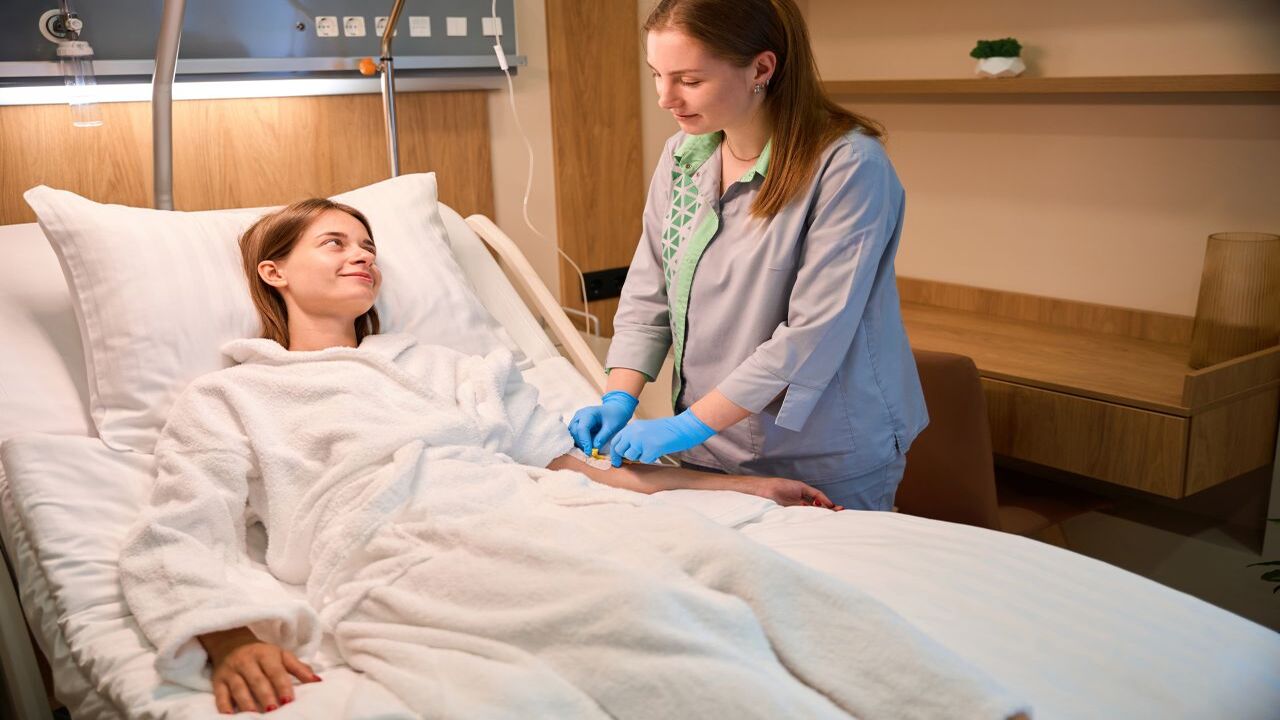
Anyone who has tried to arrange medical detox in New Mexico from a rural county knows the problem is rarely willingness. It is distance.
A new state-run facility in Las Vegas, New Mexico has added eight detoxification beds and 20 residential treatment beds, and for people in the northeastern part of the state it removes a drive that has stood between them and supervised withdrawal.
The Epi-Duran Substance Abuse Treatment facility sits on the New Mexico Behavioral Health Institute campus and was scheduled to begin accepting patients Monday, following an open house the week before.
It is the region’s first substance use treatment center, according to Tim Shields, hospital administrator for the state Behavioral Health Institute. Until now, San Miguel County residents seeking care have typically driven to Santa Fe, Albuquerque, or as far as Las Cruces.
Why Medical Detox Matters
Detoxification is the phase where the body clears a substance and withdrawal symptoms emerge. For opioids it is physically punishing. For alcohol and benzodiazepines it can be life-threatening, because withdrawal from either can produce seizures and, in the case of alcohol, delirium tremens. Nobody should attempt alcohol or benzodiazepine withdrawal without medical supervision.
That is why a count of eight dedicated detox beds is more consequential than it sounds. Detox beds are staffed and equipped differently from residential treatment beds.
They allow round-the-clock monitoring of vital signs, medication to manage symptoms, and rapid escalation if a patient destabilizes. When those beds do not exist locally, people either travel hours while in withdrawal or they do not go.
The distinction also separates supervised withdrawal management from the products that borrow the word detox. Cleanses, herbal regimens, and at-home kits do not manage withdrawal from alcohol, benzodiazepines, or opioids, and they do not carry medical oversight.
What the Facility Includes
The center opened after roughly a decade of local organizing and about $5.5 million in renovations to an unused state building at 3112 Hot Springs Blvd., across the street from the Behavioral Health Institute. The renovation funds came from a mix of county, state, and federal sources.
The layout is built around two central day rooms, one for men and one for women, with a shared nurse’s station, kitchen, and laundry in between. The facility has its own medical staff while sharing the Behavioral Health Institute’s infrastructure, including an in-house pharmacy, human resources, a central kitchen, custodial services, and compliance staff.
Shields said that arrangement removes operating barriers, such as the difficulty of hiring a pharmacist in Las Vegas, and helps hold costs down.
The Epi-Duran center joins two other treatment facilities operated by the state Health Department, Turquoise Lodge Hospital in Albuquerque and the New Mexico Rehabilitation Center in Roswell.
Who Can Be Admitted
The facility will accept patients from anywhere in New Mexico and with any type of coverage, including Medicaid, commercial insurance, and no insurance at all, Shields said, adding that he anticipates mostly Medicaid. State Health Secretary Gina DeBlassie said the goal is to remove barriers to accessing care and that people ready for treatment will be accepted.
The opening lands against a worsening state picture. New Mexico recorded 900 fatal overdoses in 2025, up from 746 in 2024, a 21 percent increase, according to state Department of Health data. That runs counter to declines seen in San Miguel County and across much of the country.
What Comes After Detox
Detox is not treatment. It stabilizes the body and clears the way for treatment, and the weeks immediately after are when relapse risk is highest, because tolerance drops while cravings persist.
That is why the 20 residential beds alongside the eight detox beds matter as a package rather than as separate numbers. Continuity from withdrawal management into ongoing care, including medication-assisted treatment where clinically appropriate, is what turns a completed detox into a durable start.
Finding Medical Detox in New Mexico
Never attempt alcohol or benzodiazepine detox without medical supervision. When comparing detox centers in New Mexico, ask what level of care a program is licensed for, whether medication is available to manage withdrawal, whether medication-assisted treatment continues after detox, and what coverage is accepted.
Detox.com lists medically supervised detox programs with details on level of care, substances treated, and insurance accepted. Call 800-996-6135 to receive help identifying supervised detox options near you.