800-671-4304
Experimental Drug May Reduce Alcohol Withdrawal Brain Damage
Published: 06/5/2026
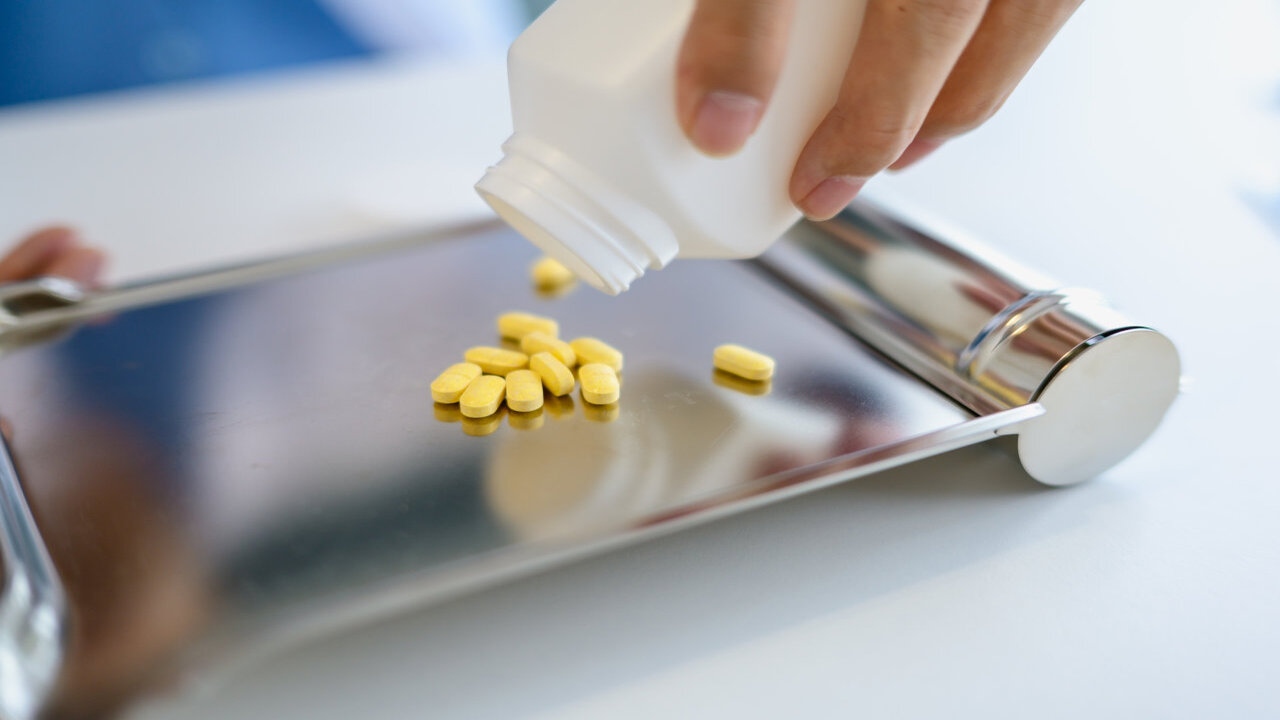
An investigational Alzheimer’s drug may help protect the brain during alcohol detox by targeting the neuroinflammation that drives relapse, according to new research, but scientists stress that medically supervised detox remains the only safe path off alcohol dependence.
Researchers at the University of Kentucky’s Sanders-Brown Center on Aging published findings in the journal Alcohol showing that a compound called MW150 reduced inflammatory markers in laboratory and animal-model experiments simulating alcohol withdrawal.
The drug works by inhibiting a brain inflammation pathway known as p38α MAPK, a biological mechanism increasingly linked to addiction, relapse vulnerability and long-term neurological damage in people with alcohol use disorder.
The research is early-stage and has not been tested in humans for this application. But for the millions of people who need medical detox each year, the findings point toward a potential future tool for protecting the brain during one of the most dangerous phases of recovery.
Why Medical Detox Matters for Alcohol Withdrawal
Alcohol withdrawal is one of the few substance withdrawal syndromes that can be fatal. Unlike opioid withdrawal, which is agonizing but rarely life-threatening on its own, abrupt cessation of alcohol in a dependent person can trigger seizures, delirium tremens (severe confusion and autonomic instability) and cardiovascular collapse.
Never attempt to detox from alcohol at home. Medical detox programs manage withdrawal using benzodiazepines (such as diazepam or lorazepam) and other medications to taper the central nervous system safely, monitor vital signs, and intervene if complications arise. This is why alcohol detox centers exist, not as a luxury, but as a medical necessity.
Dr. Amy Swift, deputy chief medical officer at Silver Hill Hospital in Connecticut, underscored a critical limitation of current alcohol detox treatment in her comments on the research: while detoxification prevents the potentially fatal consequences of withdrawal, it does not treat alcohol use disorder itself.
High relapse rates remain a persistent challenge after detox, and that gap is precisely where new pharmacological approaches, including inflammation-targeting drugs like MW150, may eventually play a role.
What Is MW150 and How Could It Help
MW150 is an experimental compound originally developed to treat mild-to-moderate Alzheimer’s disease. It works by blocking a signaling protein called p38α MAPK, which is involved in the brain’s inflammatory response.
Neuroinflammation, chronic low-level inflammation in the brain, is believed to contribute to the compulsive craving and relapse risk that make alcohol use disorder so difficult to treat.
In lab and animal-model experiments, MW150 reduced certain inflammatory markers that spike during alcohol withdrawal.
Study co-author Caleb Bailey, Ph.D., noted that these findings establish “biological plausibility” for the drug’s use in alcohol-related conditions, but emphasized that cell-culture and animal models have significant limitations. A full series of in-vivo (living animal) studies is required before any human trials could be considered.
MW150 is currently being investigated in clinical trials for dementia and other neurodegenerative diseases alongside a related compound called Neflamapimod.
That existing development pipeline matters: repurposing a drug already in clinical testing is faster and less costly than building a new compound from scratch, meaning that if animal studies show promise, the path to human trials for alcohol withdrawal could be more efficient than usual.
The Gap Between Detox and Long-Term Recovery
This research highlights something clinicians in alcohol detox programs have long recognized, that getting through the acute withdrawal phase is only the beginning.
Dr. Swift put it plainly: detoxification prevents the potentially fatal complications of alcohol withdrawal, but it does not treat the underlying disorder.
Medication-assisted treatment (MAT) for alcohol use disorder currently includes naltrexone (which reduces craving by blocking opioid receptors), acamprosate (which helps restore normal brain chemistry after chronic alcohol use), and disulfiram (which causes unpleasant reactions if alcohol is consumed).
These are the evidence-based pharmacological options available today, and they are most effective when started during or immediately after a supervised alcohol detox program.
An anti-inflammatory approach like MW150, if validated in future studies, could complement existing MAT by addressing the neurological damage and craving driven by withdrawal-related brain inflammation.
Bailey noted that as the compound continues to be studied in dementia patients, understanding how it interacts with alcohol will be important for patient safety as well as therapeutic potential.
Finding Medical Detox Near You
If you or a loved one is dependent on alcohol, professional medical detox is not optional, it is a medical intervention that can prevent death, reduce seizure risk and lay the groundwork for long-term recovery.
Alcohol detox programs are available at multiple levels of care. You can search detox.com’s directory to find a detox facility near you. Call 800-996-6135 to speak with a treatment specialist about medically supervised alcohol detox programs.