800-671-4304
Gene Therapy May Offer Pain Relief Without Opioid Addiction Risk
Published: 04/20/2026
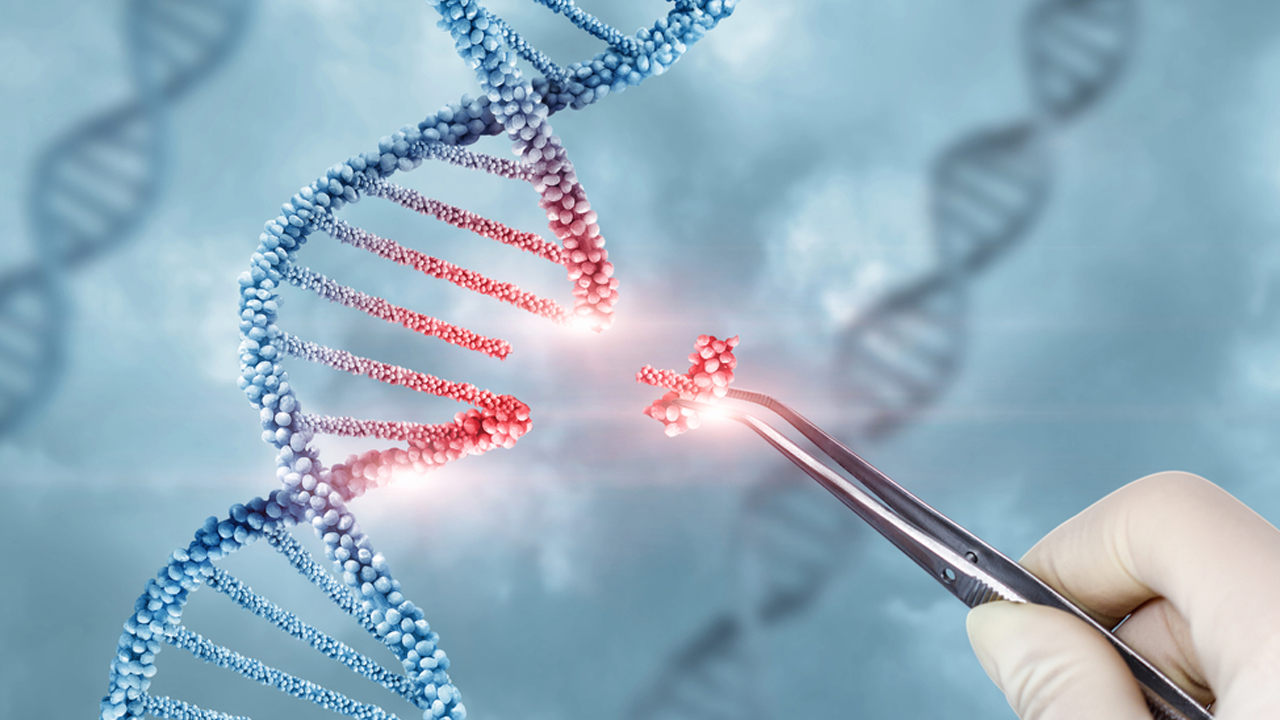
A new gene therapy that mimics opioid pain relief without triggering addiction could reshape how chronic pain is treated, and may have significant implications for medical detox and opioid use disorder (OUD) treatment in the years ahead.
Scientists at the University of Pennsylvania Perelman School of Medicine, along with collaborators from Carnegie Mellon and Stanford, published findings in Nature describing a brain-targeted gene therapy that reproduces morphine’s pain-relieving effects without activating the reward pathways that drive addiction.
While still preclinical, the research represents a meaningful step in the long search for non-addictive alternatives to opioids.
Why Medical Detox Matters Now More Than Ever
The opioid crisis remains one of the most urgent public health emergencies in the United States. In 2019, drug use was linked to 600,000 deaths globally, with 80 percent involving opioids.
For the millions of Americans who have developed opioid dependence, often beginning with legitimate pain treatment, medical detox is frequently the first critical step toward recovery.
Medical detox refers to clinically supervised withdrawal management, typically using medications to reduce dangerous symptoms and cravings.
For opioid use disorder, FDA-approved medication-assisted treatment (MAT) options such as buprenorphine (Suboxone), methadone, and naltrexone remain the gold standard for managing withdrawal safely and preventing relapse. These treatments are evidence-based, well-studied and save lives.
This new gene therapy research doesn’t replace MAT, it’s years away from clinical use, but it does underscore a growing scientific consensus: opioid addiction is driven by specific brain circuits, and targeting those circuits precisely is both possible and necessary.
How the Gene Therapy Works
The research team used artificial intelligence to map how pain signals are processed in the brain, then designed a targeted gene therapy that introduces what the researchers describe as a brain-specific “off switch” for pain.
When activated, it reduces pain over a sustained period without interfering with normal sensations or activating reward pathways associated with addiction.
In practical terms, this means the therapy attempts to deliver what opioids do, quiet pain, without engaging the dopamine-driven reinforcement cycle that leads to tolerance, dependence and ultimately addiction.
Over time, patients using opioids often develop tolerance, meaning they require increasingly higher doses to achieve the same level of relief, a cycle that commonly leads to physical dependence and the need for medical detox.
Lead researcher Gregory Corder, PhD, described the goal as reducing pain “while lessening or eliminating the risk of addiction and dangerous side effects,” calling the work “a first step in offering new relief for people whose lives are upended by chronic pain.”
Understanding Opioid Dependence and the Need for Safe Withdrawal
For people already dependent on opioids, this research offers hope for future pain management, but it does not change the immediate reality of withdrawal.
Opioid withdrawal, while rarely fatal on its own, is intensely uncomfortable and is one of the most common reasons people relapse. Symptoms can include severe muscle aches, nausea, vomiting, anxiety, insomnia, and powerful cravings.
Medical detox programs use medications like buprenorphine (the active ingredient in Suboxone) and methadone to ease these symptoms by binding to opioid receptors in the brain, reducing cravings and withdrawal without producing the same high.
Naltrexone, another MAT option, works differently by blocking opioid receptors entirely and is typically used after detox is complete.
It’s worth noting that while opioid withdrawal is rarely life-threatening, alcohol and benzodiazepine withdrawal can be fatal. These substances require a higher level of medical supervision and should never be attempted without clinical oversight.
What This Research Means for the Future of Opioid Treatment
The research team is now working toward potential clinical trials, with collaborators describing the study as “a strong first step” and noting the potential to relieve suffering without fueling the opioid crisis.
Realistically, gene therapy for pain management is likely years away from widespread clinical availability.
In the meantime, medication-assisted treatment remains the most effective, evidence-based approach for opioid use disorder.
If you or someone you love is struggling with opioid dependence, medically supervised detox is the safest and most effective first step toward recovery.
Finding Medical Detox Programs
Medical detox centers staffed by addiction medicine physicians and nurses can provide safe, supervised opioid withdrawal management using evidence-based MAT protocols.
If you’re looking for drug detox or alcohol detox programs near you, it’s important to choose facilities that offer medical supervision and licensed clinical staff. Search detox.com’s directory of addiction treatment centers or call 800-996-6135 to find medically supervised detox programs in your area.