800-671-4304
GLP-1 Drugs Linked to Lower Repeat Overdose Risk
Published: 07/30/2026
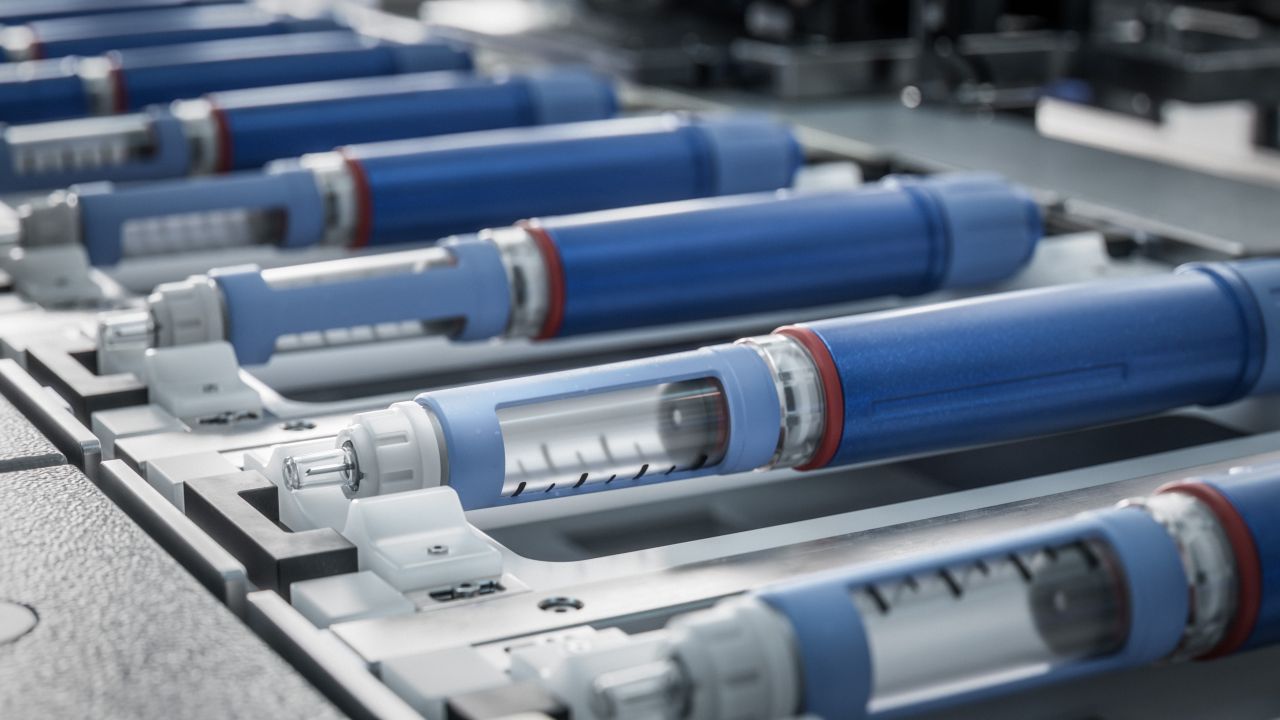
The period right after medical detox is one of the most dangerous windows in addiction recovery, and a new large-scale study suggests a class of medications originally developed for diabetes and weight loss may help lower that risk.
Epic Research, analyzing data from more than 683,000 U.S. adults treated for an overdose between 2017 and early 2026, found that patients who started a GLP-1 receptor agonist after their overdose had a 39% lower risk of a repeat overdose within three years compared to patients never prescribed one. Patients who started a GLP-1 and later discontinued it still showed a 20% lower risk than those who never used the medication.
Why the Period After Detox Matters
People who survive an overdose face substantially elevated risk of a repeat overdose, with prior research showing that 15% or more of survivors experience another overdose within a year, concentrated in the weeks immediately following the first event.
Medications for opioid use disorder already reduce that risk significantly, but they reach only a small share of survivors, and until now there has been no widely used medication addressing the broader range of substances involved in overdose.
GLP-1 medications, which include semaglutide, liraglutide, dulaglutide, tirzepatide, and exenatide, impact brain regions that govern motivation and reward.
Earlier research has shown they can reduce alcohol intake and blunt the pleasurable effects of opioids and stimulants, which may explain the pattern researchers found.
Understanding GLP-1 Medications
The government has approved GLP-1 receptor agonists for type 2 diabetes and later for obesity. Authorities did not approve as medication-assisted treatment for substance use disorders. Researchers carefully note that this study shows an association, not proof that the medication itself caused the lower overdose risk.
Patients who start a GLP-1 after an overdose may differ from those who do not in ways researchers did not fully measure, such as more consistent engagement with healthcare.
The protective association held up across different types of overdose. Patients whose first overdose involved alcohol had a 40% lower repeat-overdose risk during active GLP-1 use, and those whose first overdose did not involve alcohol had a 37% lower risk.
When researchers excluded patients already on medications for opioid, nicotine, or alcohol use disorder, the association strengthened to a 44% lower risk, suggesting the pattern is not simply explained by other addiction treatment medications some patients were already taking.
Finding Medical Detox
This research adds to a growing body of evidence on medications that may help protect people during the vulnerable months after detox and treatment.
Anyone with questions about whether a GLP-1 medication makes sense alongside their existing addiction treatment plan should raise it directly with their prescribing physician or addiction medicine provider. A physician’s assistance creates better outcomes rather than starting or stopping any medication on their own.
Detox.com’s medical detox guide covers the medications currently approved specifically for opioid and alcohol use disorder. You can learn about the transition into inpatient or outpatient care that typically follows medical detox.
Never attempt alcohol or benzodiazepine detox without medical supervision. Feel free to search detox.com’s directory to find detox centers in your area. Call 800-996-6135 to learn more about your treatment options today.