800-671-4304
GLP-1 Telehealth Company Launches to Expand Medical Detox Access
Published: 09/15/2026
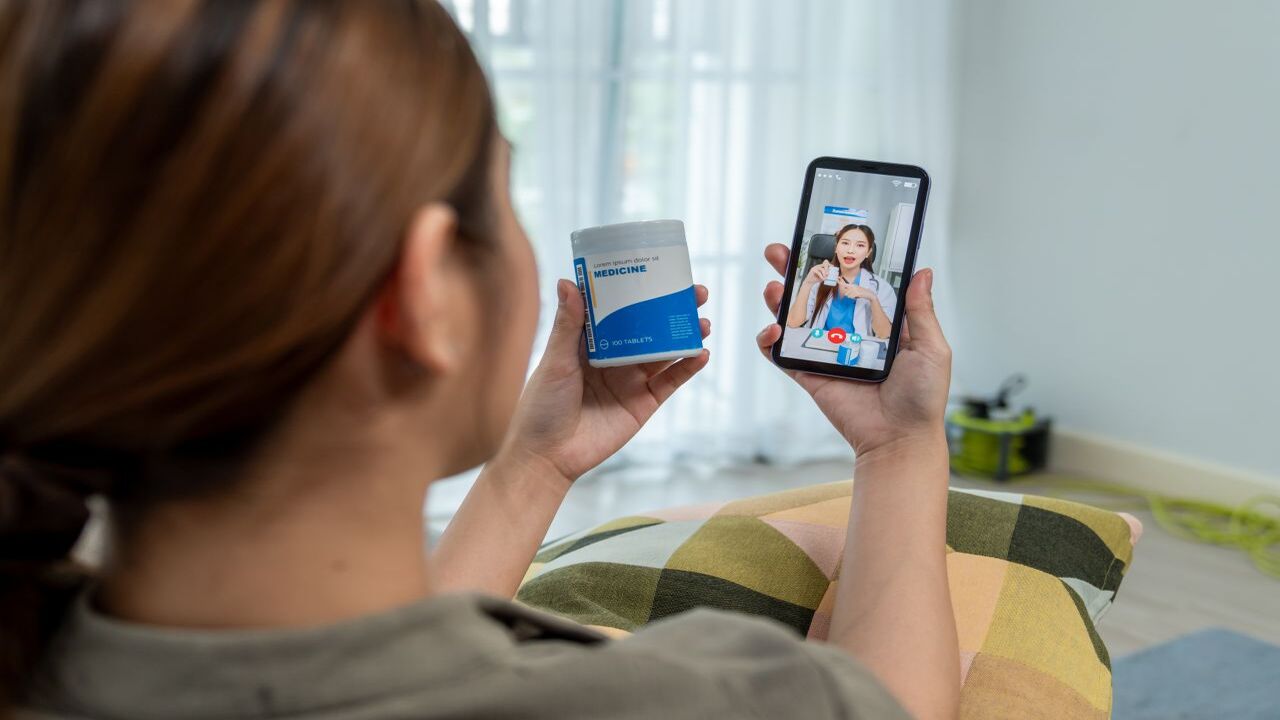
Quel Health Inc. announced this week the launch of what it describes as the first national telehealth company built around GLP-1 receptor agonists for addiction treatment. The startup named Caron Treatment Centers as a Founding Strategic Partner. Caron ranks among the country’s oldest nonprofit substance use treatment providers.
Care is now available in 41 states and the District of Columbia. The company plans to reach all 50 states by the end of the year. It’s a new telehealth option that will be worth examining.
Why Medical Detox Still Comes First
GLP-1 medications, such as semaglutide, have drawn growing research interest for alcohol, opioid and other substance use disorders. Early randomized trials and large observational studies have reported lower craving and substance use in some groups. More than 50 clinical trials are currently registered on ClinicalTrials.gov.
The evidence remains investigational. The FDA has not approved any GLP-1 receptor agonist to treat a substance use disorder. Quel acknowledges this and describes its approach as off-label prescribing that requires thorough evaluation and informed consent.
That distinction matters if you’re thinking about alcohol detox or benzodiazepine detox. Withdrawal from alcohol or benzodiazepines can become life threatening and may cause seizures or delirium tremens. GLP-1 medications don’t prevent those complications from happening.
People withdrawing from these substances should receive medical supervision regardless of which medications may support recovery later. Alcohol and benzodiazepine detox should begin under medical supervision and typically follows evidence based protocols that may include benzodiazepine tapers or anticonvulsants.
Opioid withdrawal rarely causes death but it can be very uncomfortable and can contribute to an early relapse. Standard medication-assisted treatment including methadone and buprenorphine has much stronger evidence for treating opioid use disorder than current GLP-1 treatments.
How GLP-1 Medications Work
GLP-1 receptor agonists were developed to treat those with type 2 diabetes and obesity. They mimic a gut hormone that helps regulate blood sugar and appetite.
Researchers think these medications may also affect your brain’s reward circuitry. This dopamine driven system plays a role in craving for alcohol and many other substances. That theory forms the scientific basis for Quel’s platform.
Several recent studies that have been published support the idea of these medications helping with recovery. A randomized trial published in JAMA Psychiatry in 2025 found that weekly semaglutide reduced alcohol consumption among adults with alcohol use disorder.
Other research has examined semaglutide to treat daily cigarette use and oral semaglutide to treat alcohol use disorder. Real world analyses have also linked GLP-1 prescriptions with lower rates of alcohol and cannabis use disorder recurrence in large patient databases.
How Quel’s Telehealth Model Works
Quel’s telemedicine platform connects patients at home with affiliated providers who have addiction expertise. Patients will first complete a full video evaluation. The provider will then create an individualized treatment plan that may possibly include off label GLP-1 prescribing when it is clinically appropriate.
As a part of ongoing care patients receive medication management, health tracking and app based messaging. Quel also works with treatment organizations and recovery residences that want access to additional addiction specialists to support recovery.
The company’s model builds on work at Caron’s residential campuses in Pennsylvania and Florida. Chief Medical Officer Steven Klein MD PhD and his team began evaluating GLP 1 medications in patients whose primary diagnosis involved substance use rather than obesity or diabetes.
He also expressed that we now have a generation of medications that hold promise to act on the underlying reward circuitry itself.
Caron interim CEO Steven Wall stressed that GLP-1 treatment for substance use disorders remains investigational. He said rigorous clinical oversight, informed consent and continued research remain essential to determining if these medication can be effective for treating addiction.
Finding Medical Detox
New treatment models deserve attention but established medical detox remains the safer starting point for physical dependence.
If you or someone you love depends on alcohol, benzodiazepines or opioids, medically supervised withdrawal remains the standard approach.
MAT options such as buprenorphine and methadone also have the strongest track record for treating opioid use disorder.
Search detox.com’s directory for detox centers in your area. A clinician assessment remains the best way to determine which level of care fits your specific situation. Call 800-996-6135 to get in contact with a treatment specialist today.