800-671-4304
Long-Term MAT and Safe Opioid Detox Care
Published: 02/10/2026
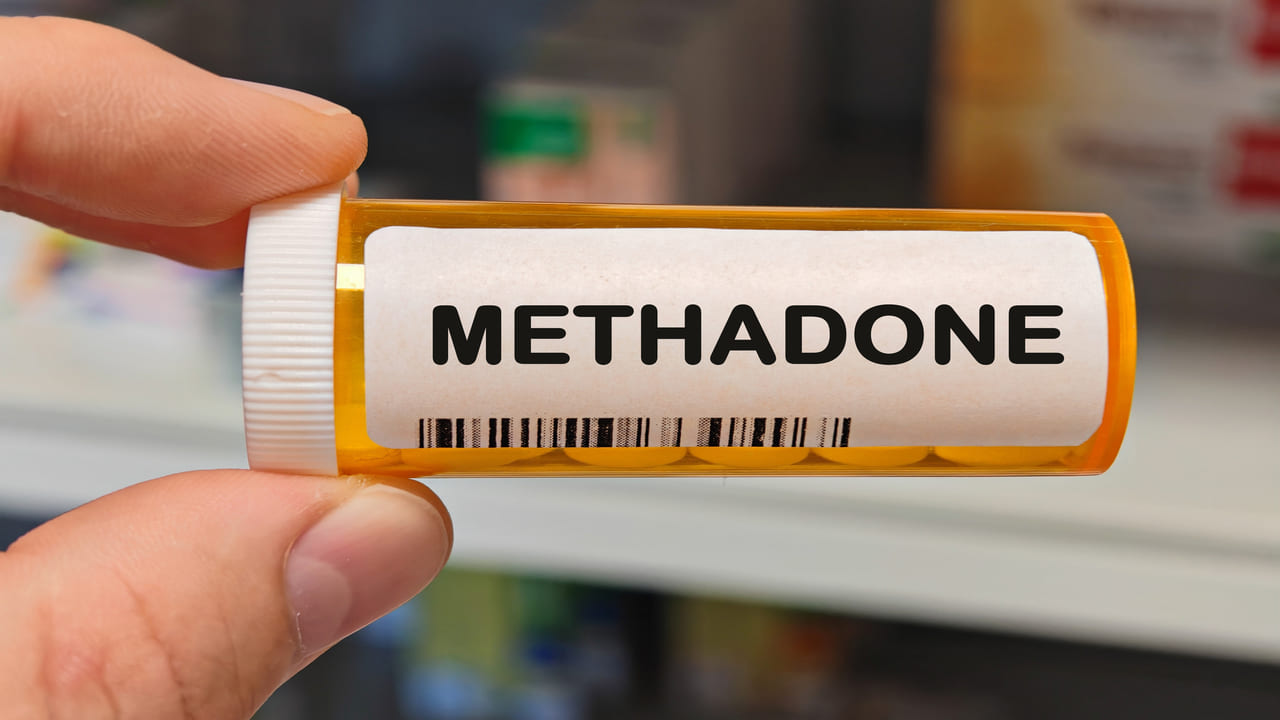
Of the 5.7 million people in the U.S. experiencing an opioid use disorder, only 25% receive medication-assisted treatment (MAT), despite its role in managing opioid withdrawal and reducing relapse risk after detox.
Some don’t want this type of treatment. Others can’t access medical detox programs that offer medication-assisted treatment.
But some experts argue that MAT is what could make the difference for millions missing out on critical support. It’s an argument that stretches back to the 1960s.
Treating Addiction As a Medical Condition
Methadone maintenance treatment (MMT) was pioneered in the 1960s, when researchers and doctors first presented the concept that opioid use disorder (OUD) should be treated as a medical condition.
Long-term medication, they argued, was necessary, much like insulin to treat diabetes, rather than relying on detox and abstinence alone.
Today, methadone and buprenorphine are both prescribed to treat OUD. Approximately 400,000 individuals in the U.S. receive methadone treatment, and even more receive prescriptions for buprenorphine.
These medications are designed to reduce opioid cravings and manage withdrawal symptoms during and after medical detox. They interact with opioid receptors without producing the euphoric effect of drugs such as heroin.
Some Say It’s Not Enough
Despite this availability of MAT, some experts maintain that treatment trends need to change. They argue that patients should remain on MAT for longer periods. Rather than providing detox and short-term MAT, providers should prescribe methadone long-term, they say.
One of the biggest concerns is overdose. After detoxing without continued medication support, individuals are at a 3–4x higher risk of overdose due to reduced opioid tolerance.
Experts say remaining on MAT rather than discontinuing the medications would help prevent deadly relapses.
To implement this approach, more medical professionals would need to be willing and able to prescribe MAT. This would include broadening prescribing privileges to addiction physicians.
It would also mean removing limits on the length of treatment, so longer-term MAT becomes the norm rather than the exception.
This approach asserts that opioid use causes lasting physiological changes in the brain that cannot be treated by detox and abstinence approaches alone. Instead, MAT should be continued long-term, up to a lifetime, to keep the person stable, alive, and in life-long recovery.
Local Medical Detox Treatment
If you or someone you love is considering opioid detox, detox.com can help you find local medical detox programs that include ongoing MAT as part of a long-term treatment plan. You can also call 800-996-6135 to receive immediate, personalized support.