800-671-4304
Medical Detox Cases Rise in Florida as DEA Targets 7-OH
Published: 08/4/2026
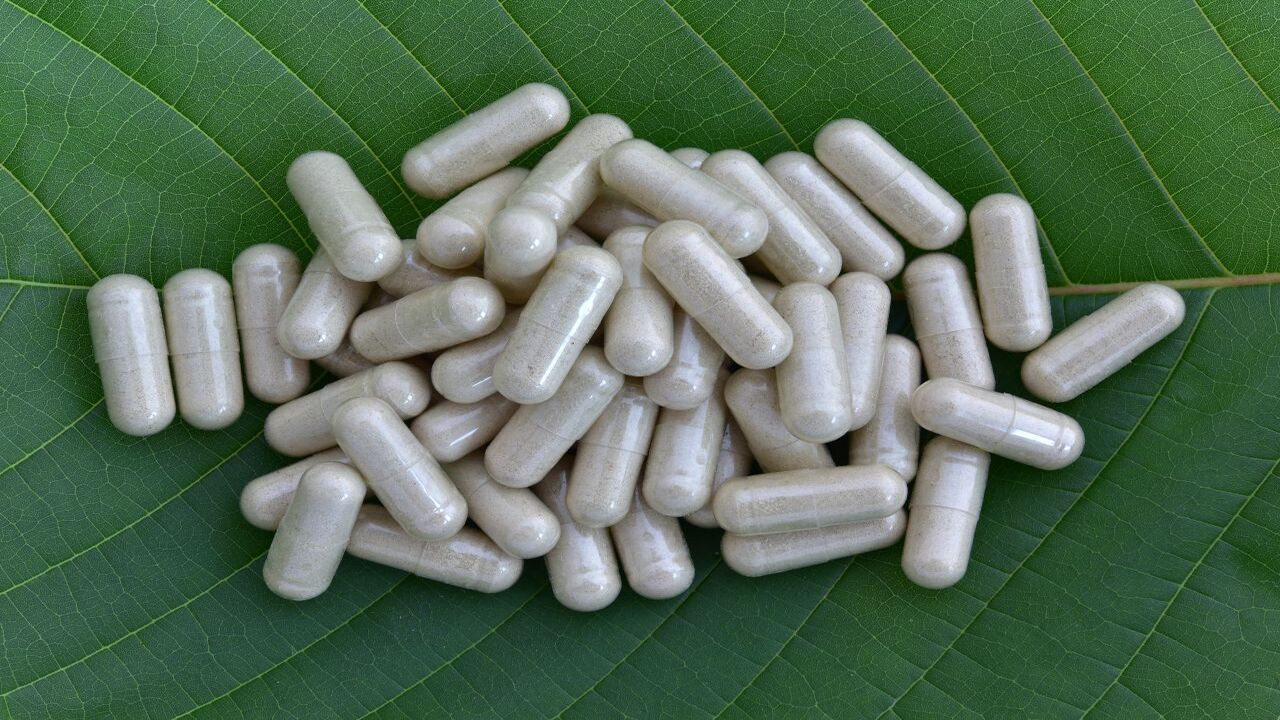
People arriving for medical detox from a kratom-derived compound called 7-OH often did not know they were taking an opioid. That is the clinical problem Florida detox programs describe, and it is about to collide with a federal scheduling change that takes effect within days.
The Drug Enforcement Administration filed two Notices of Intent on July 1, 2026, to temporarily place 7-hydroxymitragynine above a specified threshold, plus three related synthetic compounds, into Schedule I of the Controlled Substances Act.
The Federal Register published the notices on July 6, and the order will not be issued before August 5, 2026.
What 7-OH Actually Is
7-OH is an alkaloid that occurs naturally in trace amounts in the kratom plant. The products at issue are not the plant.
They are concentrated or synthesized preparations sold as tablets, gummies, drink shots, dissolvable strips and powders in gas stations, convenience stores and smoke shops.
The potency gap is the reason clinicians treat these products as opioids rather than herbal supplements. Dr. Cory Howard, an emergency medicine physician at Tampa General Hospital who monitors calls to the Florida Poison Center, has described concentrated 7-OH products as up to 13 times more potent than morphine.
DEA laboratory findings indicate commercial products frequently contain far more 7-OH than botanical kratom does.
The temporary scheduling action does not cover botanical kratom leaf products that stay below the threshold, which the related HHS request for information summarized as more than 0.050 percent 7-OH by dry weight, or more than 1.00 milligram of 7-OH in a single article.
Why Medical Detox Matters Here
7-OH acts on the same mu-opioid receptors as heroin and prescription opioids, so stopping abruptly after regular use produces opioid withdrawal. That means sweating, chills, muscle aches, nausea, vomiting, diarrhea, insomnia, anxiety and intense cravings, typically beginning within 12 to 24 hours of the last dose.
Two features make this population harder to manage than a standard opioid detox. The first is unpredictable dose history. Product labeling is inconsistent and concentrations vary between batches, so a patient often cannot report how much 7-OH they were taking.
Clinicians therefore have to titrate against observed symptoms rather than a calculated equivalent dose. The second is late presentation. Because these products were sold openly and marketed as plant-based supplements, many people did not recognize dependence until withdrawal hit, and they arrive having already tried to stop on their own several times.
Florida Has Been Ahead of the Federal Timeline
Florida moved before the DEA did. The state limited sales of 7-OH in an emergency rule that outlawed concentrations above 0.04%, and on June 22, 2026, Florida Attorney General James Uthmeier signed a further emergency measure extending restrictions to additional chemically related compounds that manufacturers had used to work around the earlier rule.
At that announcement, officials said Florida Poison Control had already logged 95 cases involving 7-OH and related derivatives in the first four months of 2026, a pace that would exceed the prior year’s total.
The Department of Health and Human Services confirmed that synthetic 7-OH and the three related substances have no currently accepted medical use and a high potential for abuse. HHS and the Food and Drug Administration both commended the DEA action.
Understanding Medication-Assisted Treatment for This Withdrawal
Medication-assisted treatment, or MAT, combines FDA-approved medication with counseling. For opioid withdrawal it usually means buprenorphine or methadone, both of which act on opioid receptors to suppress withdrawal symptoms and cravings without the peaks and crashes of short-acting use.
Because 7-OH is an opioid receptor agonist, standard opioid withdrawal protocols generally apply, and buprenorphine induction is a common approach.
Naltrexone, which blocks opioid receptors rather than activating them, is used after withdrawal is complete rather than during it. Any of these decisions belong to a prescriber who has assessed the patient, not to a product label.
For 7-OH dependence with an unclear dose history, or where someone has been combining these products with alcohol, benzodiazepines or other opioids, a medically monitored inpatient setting is the safer starting point.
Finding Medical Detox in Florida
If you or someone in your household has been using concentrated kratom products daily, the scheduling change means supply is about to shift, and unmanaged withdrawal is a poor way to find that out.
Look for a program that treats opioid withdrawal specifically, offers medication-assisted treatment on site, and can tell you which ASAM level of care it provides.
Detox.com’s directory lists medically supervised detox programs by state and by substance, with details on levels of care and insurance accepted, so you can confirm a program is equipped for opioid withdrawal before you call. Call 800-996-6135 to learn more about your treatment options.