800-671-4304
Medical Detox Offers a Planned Exit From 7-OH Dependence
Published: 08/13/2026
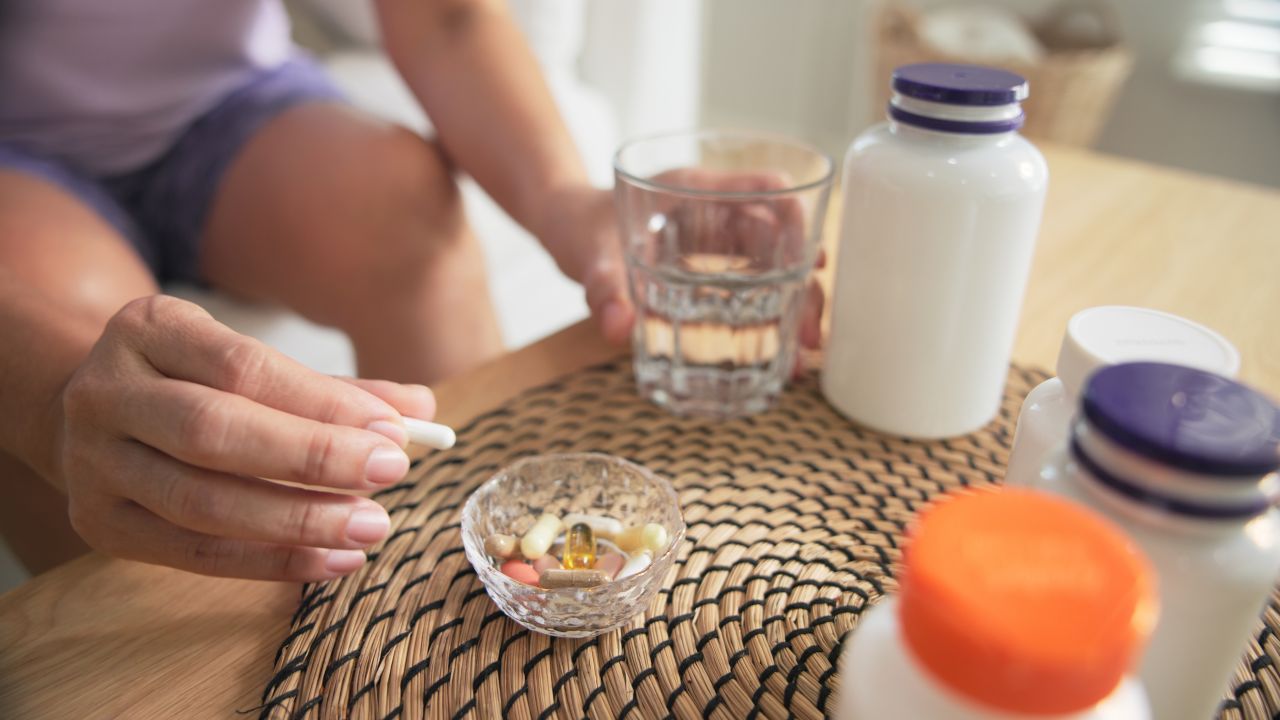
Anyone taking concentrated 7-OH products daily is facing a supply deadline set by federal rule rather than by a clinician, and medical detox is the difference between a planned transition and an abrupt one.
The Drug Enforcement Administration can place these products in Schedule I any day now, and the products leave shelves the day it happens.
The agency filed notices of intent on July 1, published in the Federal Register on July 6. By statute the temporary scheduling order could not be issued before August 5. As of this writing no order has appeared, which means the window is open and the timing is unpredictable.
What the Order Covers
The action targets 7-hydroxymitragynine, or 7-OH, above a specified concentration. The threshold is more than 0.050% by dry weight in botanical kratom material, or for synthetic and processed articles, more than 0.050% by weight or volume, or more than one milligram per article.
A second notice covers three related compounds that do not occur naturally in the plant, at any concentration: mitragynine pseudoindoxyl, MGM-15, and MGM-16.
Plain kratom leaf below the threshold is not covered, and mitragynine, the plant’s main alkaloid, is not named. The products in scope are the concentrated tablets, gummies, shots, dissolvable strips, powders, and capsules sold in smoke shops, convenience stores, gas stations, and online.
Once issued, the order takes effect the day it publishes and runs two years, with a possible one-year extension. Temporary scheduling orders are not subject to judicial review.
Why Medical Detox Matters Here
7-OH acts on the same mu-opioid receptors as prescription opioids and heroin. Regular use produces physical dependence, and stopping produces opioid-type withdrawal.
Adverse event reports filed with the Food and Drug Administration reflect that pattern. Of 86 cases in the agency’s database, 79 were classified as serious, including nine deaths. Dependence and withdrawal syndrome were among the most frequently reported problems.
Opioid withdrawal differs from alcohol and benzodiazepine withdrawal in an important way. It is rarely fatal by itself. The dangers are different rather than absent: dehydration from sustained vomiting and diarrhea, symptoms severe enough that most people return to use before completing the process, and a sharp rise in overdose risk once tolerance falls and someone takes their previous dose.
That last risk is the one people underestimate. Tolerance drops within days. A quantity that was routine last week can be dangerous this week.
Medications That Change the Picture
Buprenorphine combined with naloxone, sold under names including Suboxone, is FDA-approved for opioid use disorder and works for 7-OH dependence because it acts on the same receptors.
It prevents withdrawal, reduces cravings, and is available in all fifty states, including by telehealth. Timing is what makes clinical supervision necessary.
Starting buprenorphine too early, while other opioids are still occupying receptors, can trigger precipitated withdrawal, which is faster and more severe than ordinary withdrawal. Clinicians time induction against a withdrawal severity scale to avoid that. It is not a calculation to attempt alone.
Methadone, dispensed through licensed opioid treatment programs, is another option. Naltrexone can follow once someone has been off opioids for a period.
Finding Medical Detox Before the Deadline
The practical advantage of acting now is that it is elective. You choose the timing, you start medication before symptoms arrive, and you are not managing withdrawal in a week when the product you relied on has vanished from every store nearby.
Ask any program you contact whether it treats 7-OH and kratom dependence specifically, whether it initiates buprenorphine during withdrawal management, and what the handoff into ongoing treatment looks like once the acute phase ends.
Detox.com’s directory lists medically supervised detox programs by location, substances treated, and insurance accepted. Call 800-996-6135 to learn more about your treatment options.