800-671-4304
Medical Detox Still Essential as Fentanyl Vaccine Advances
Published: 09/16/2026
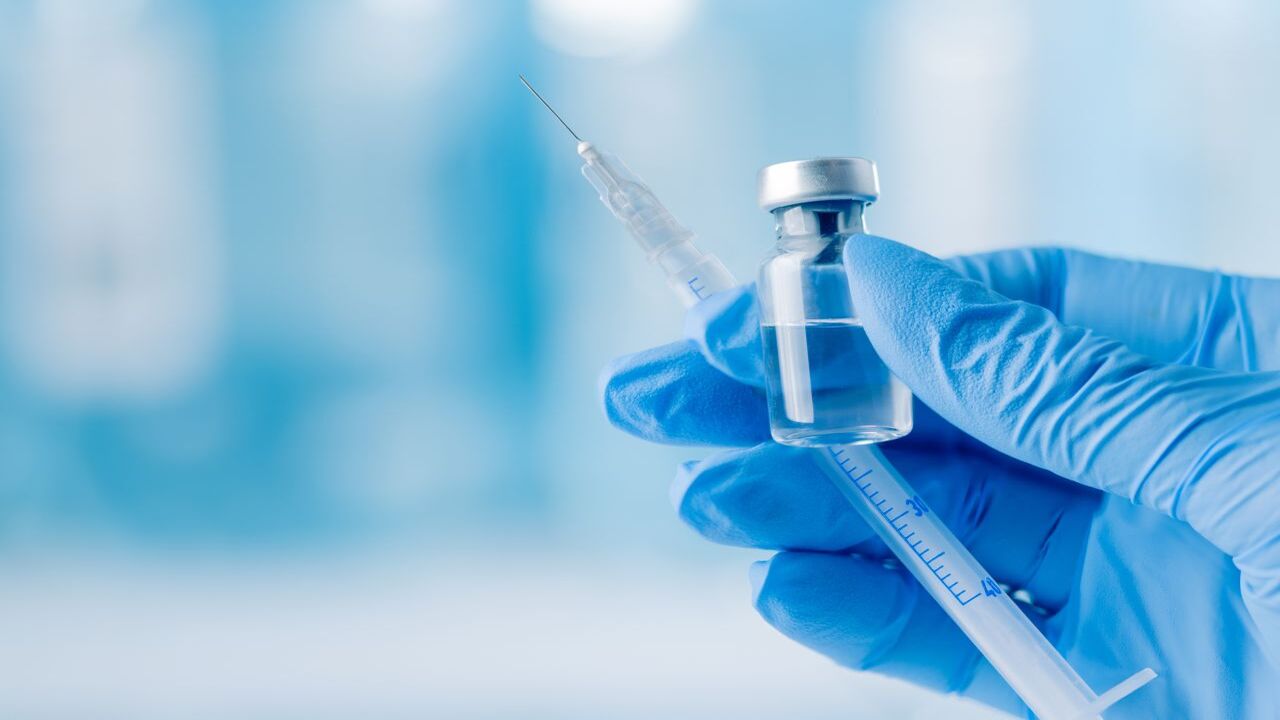
University of Washington researchers will ask the Food and Drug Administration for approval to begin human trials of a fentanyl vaccine. The vaccine itself is years away from pharmacies.
Why Medical Detox Matters
With fentanyl dominating the drug supply the stakes of a failed withdrawal attempt are higher. After even a short period of abstinence tolerance drops quickly and returning to a previous dose can be fatal.
The situation is more urgent for alcohol and benzodiazepines, where unmanaged withdrawal can cause seizures and death. Anyone dependent on those substances should treat supervised care as a requirement, and opioid dependence deserves the same seriousness even though the immediate risks differ.
New Treatment Options on the Horizon
The UW lab led by Marco Pravetoni spent more than a decade building vaccines for oxycodone, heroin and fentanyl. The oxycodone vaccine is already in human trials. The heroin vaccine has FDA clearance to begin testing.
The fentanyl candidate works through a form of biological deception. Researchers attach a fentanyl lookalike molecule to a large protein, which prompts the immune system to produce antibodies.
Those antibodies bind to fentanyl in the bloodstream and swell it too large to cross into the brain. This is where the drug would otherwise suppress breathing and produce its high. Data suggests the effect could last up to a year.
The team plans to submit an Investigational New Drug application so human trials can begin. Even if trials go well, full approval typically takes around a decade.
Here’s precisely what this vaccine would and would not do. It would not treat withdrawal and it would also not replace detox or rehab. Pravetoni made the same point about addiction care:”If this was diabetes or cancer or even depression or some other mental health or psychiatric disorder nobody would blink if you’re on three or five medications at once.”
Understanding Medication-Assisted Treatment
Te current standard of care for opioid dependence is medication assisted treatment. Methadone and buprenorphine prescribed as Suboxone activate opioid receptors to relieve withdrawal and cravings without producing a high.
In the case of naltrexone it blocks those receptors entirely so opioids have no effect on the person in recovery. These medications stabilize people during and after medical detox. It also cuts overdose risk. A vaccine would complement this approach rather than compete with it.
Finding Medical Detox
If you’re researching drug detox or alcohol detox for yourself or a family member, start with a medical evaluation rather than a home attempt. Never attempt alcohol or benzodiazepine detox alone. Search detox.com’s directory to find treatment centers near you. Call 800-996-6135 to speak with a treatment specialist today.