800-671-4304
Michigan Doctor Warns of Opioid-Like 7-OH Kratom Withdrawal
Published: 11/23/2026
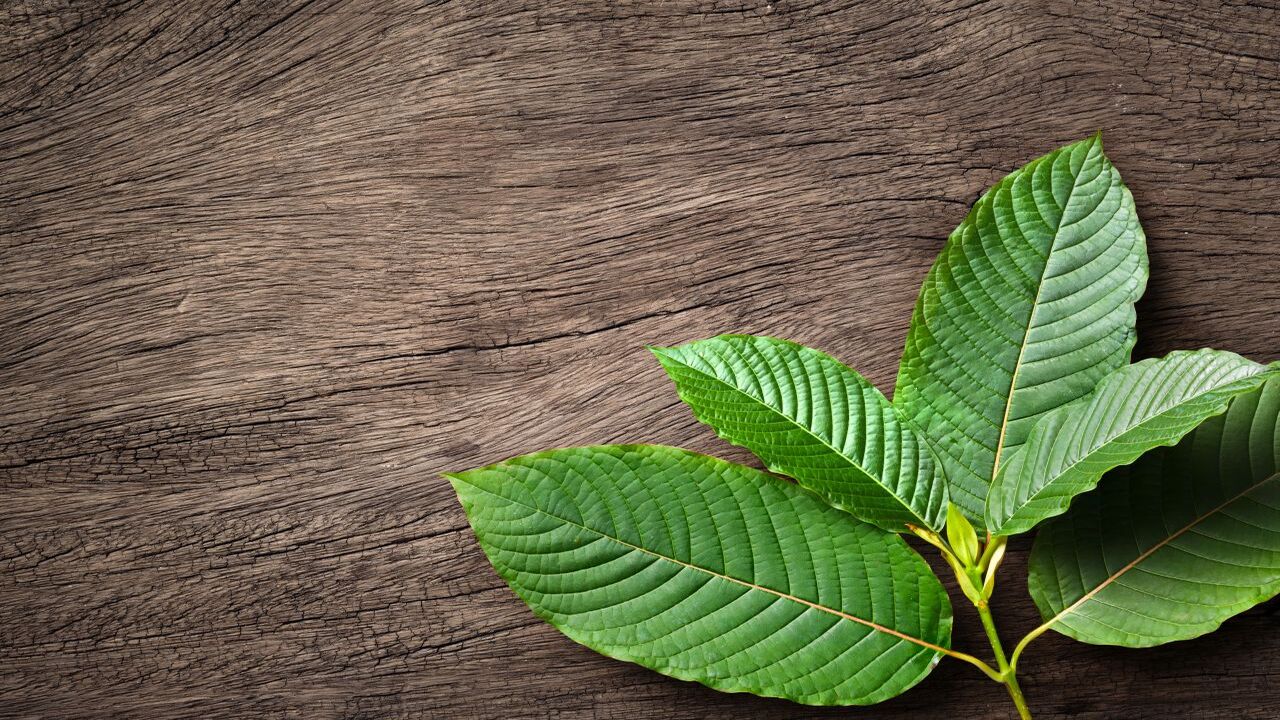
People who use concentrated kratom products are turning up in Michigan addiction clinics with seizures, liver failure, and dependence. Dr. Eliza Hutchinson, director of addiction services at Packard Health, told Michigan Public that her practice regularly treats the damage from products sold legally at gas stations and smoke shops across the state.
For daily users who want to stop, withdrawal can resemble opioid withdrawal, and medical detox offers a supervised alternative to quitting abruptly, which clinicians warn against.
What Michigan Clinicians Are Seeing
Some of her patients use natural leaf kratom responsibly for chronic pain, she said, but highly potent concentrated products such as 7-OH carry much higher risks of addiction and other harm.
Jennifer Morse, director of the central and mid-Michigan district health departments, described a growing toll of kratom-related deaths and addiction cases in her region.
National figures add context to what Michigan clinicians see. A University of Michigan and Texas State University study found that more than 5 million Americans have tried kratom, and that most people who had used it also had a substance use disorder linked to kratom or another drug. The CDC has identified more than 5,000 overdose deaths involving kratom since 2020, according to 60 Minutes.
Why 7-OH Dependence Resembles Opioid Dependence
Kratom’s main compound, mitragynine, activates opioid receptors, and the body converts some of it into 7-OH, which acts more intensely. Natural leaf contains only trace amounts of 7-OH. Newer synthetic products contain much higher levels.
Dependence often shows up when people try to stop. Regular users can develop withdrawal symptoms that resemble opioid withdrawal, including muscle aches, irritability, trouble sleeping, and strong cravings. Combining kratom with alcohol, opioids, or sedating medicines adds danger, because the effects can stack.
The Regulatory Fight Over 7-OH
Kratom is not regulated in Michigan. Products that are not banned federally can be bought at gas stations and smoke shops statewide, and many buyers do not realize the products act on the same brain receptors as opioids.
House Bill 5537, which would ban the production and sale of kratom, passed the Michigan House 56-48 in March and was referred to the Senate Government Operations Committee, which had not taken it up as of November 17.
At the federal level, eight Republican senators led by Senate Judiciary Committee Chairman Chuck Grassley of Iowa urged the Drug Enforcement Administration and the Food and Drug Administration to reconsider a revised 7-OH order they called too lenient.
“Kratom is an opioid,” the senators wrote, requesting replies by November 30. Signers included Susan Collins, Rick Scott, Mike Crapo, Bill Cassidy, Jerry Moran, Shelley Moore Capito, and James Risch.
The revised order would still largely ban 7-OH and synthetic kratom-derived products while keeping natural leaf kratom legal. It allows trace amounts of 7-OH and mitragynine pseudoindoxyl, known as MP, in tablets, gummies, and liquid shots, capped at 1 mg per serving.
Pain News Network reported the order could take effect any day. The American Kratom Association, an industry group for natural leaf vendors, supported scheduling 7-OH but sought an exemption for MP, and it dismissed its lawsuit after the DEA agreed to that exemption.
Stopping Kratom Safely
Anyone who uses kratom daily and wants to stop should talk with a clinician rather than quitting abruptly. Withdrawal from concentrated products can resemble withdrawal from opioids, and medically supervised detox gives dependent users monitoring and symptom management while they stop. The SAMHSA National Helpline at 1-800-662-4357 offers free, confidential treatment referrals around the clock.
Finding Medical Detox in Michigan
Michigan residents dependent on kratom or 7-OH do not have to wait for regulators to act before getting help. Detox.com lists medical detox programs across Michigan that manage opioid-like withdrawal.
Users can search detox centers statewide and ask programs directly about their experience with kratom dependence before enrolling. Call 800-996-6135 to speak with a treatment specialist.