800-671-4304
Monthly Buprenorphine Shot Curbed Fentanyl Overdoses in Study
Published: 11/18/2026
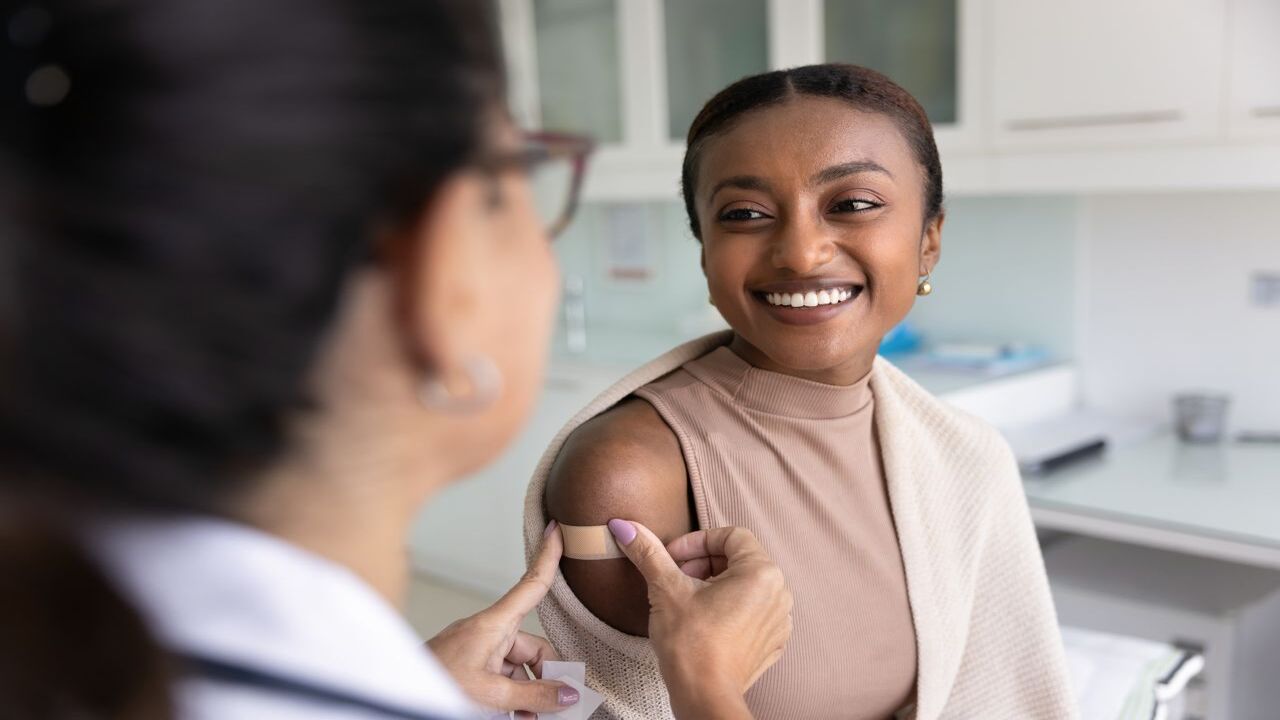
A large new study of four medications used to treat opioid addiction has found that a monthly buprenorphine injection appears to offer near-total protection against fentanyl overdose, a finding with direct relevance for American detox and treatment programs navigating the fentanyl era.
The analysis, led by Dr. Ken Lee, medical director of the Rapid Access Addiction Medicine clinic in London, Ontario, examined data from more than 45,000 patients who experienced one or more opioid-related overdoses between 2022 and the end of 2024.
While the data comes from Canada, the medications involved are the same ones used in clinics across the United States, and fentanyl dominates the illicit supply on both sides of the border.
Fewer Than Five Overdoses Among Injection Patients
Researchers compared methadone, Suboxone, Kadian, and Sublocade, all of which bind to the same opioid receptors as heroin or fentanyl, relieving withdrawal symptoms and cravings without producing a high.
Among patients receiving opioid-replacement therapy overall, almost 10 percent experienced a non-fatal overdose and just under 2 percent died during the study window.
Patients taking Sublocade, the monthly injectable form of buprenorphine, were the least likely to overdose. Fewer than five people on the medication died or experienced an overdose during the two-year study period, according to Lee’s analysis.
The study shows that there is no other option that gives almost complete protection from fentanyl overdoses and overdose deaths.
Why a Monthly Shot Changes the Detox Equation
The older medications are taken orally, once a day, often under pharmacy supervision. Sublocade is administered as a monthly injection, so patients visit a clinic once a month instead of managing daily doses.
Lee said that structure matters for what happens after detox, when cravings and withdrawal symptoms drive many people back to use. The injection keeps working between visits.
Lee noted that if a patient does relapse during the month, the medication still offers secondary protection against a fentanyl overdose, protection the daily oral treatments do not provide in the same way. He cautioned that the medication does not protect against overdoses involving other drugs.
What U.S. Treatment Programs Can Take From the Findings
Roughly 1,000 patients treated with the injection at Lee’s clinic reported strong satisfaction with the monthly schedule, a detail that matters for American providers trying to keep patients engaged after detox.
A medication that requires one clinic visit a month removes the daily adherence burden that causes many patients to drop out of treatment during their highest-risk weeks.
Lee has presented the findings at conferences in San Diego and Portland and was scheduled to formally present the analysis at the Canadian Society of Addiction Medicine conference in November 2026.
For U.S. programs weighing their medication options, the numbers sharpen a question already reshaping care: how quickly patients can start injectable buprenorphine after detox, and through which programs.
If you are comparing detox programs, ask each one which medications for opioid use disorder it offers and how it handles the handoff from withdrawal management to ongoing treatment. Search Detox.com’s directory to find detox centers near you, or call 800-996-6135 to get in touch with a treatment advisor.