800-671-4304
Monthly Injectable Buprenorphine Cuts OUD Healthcare Costs
Published: 04/3/2026
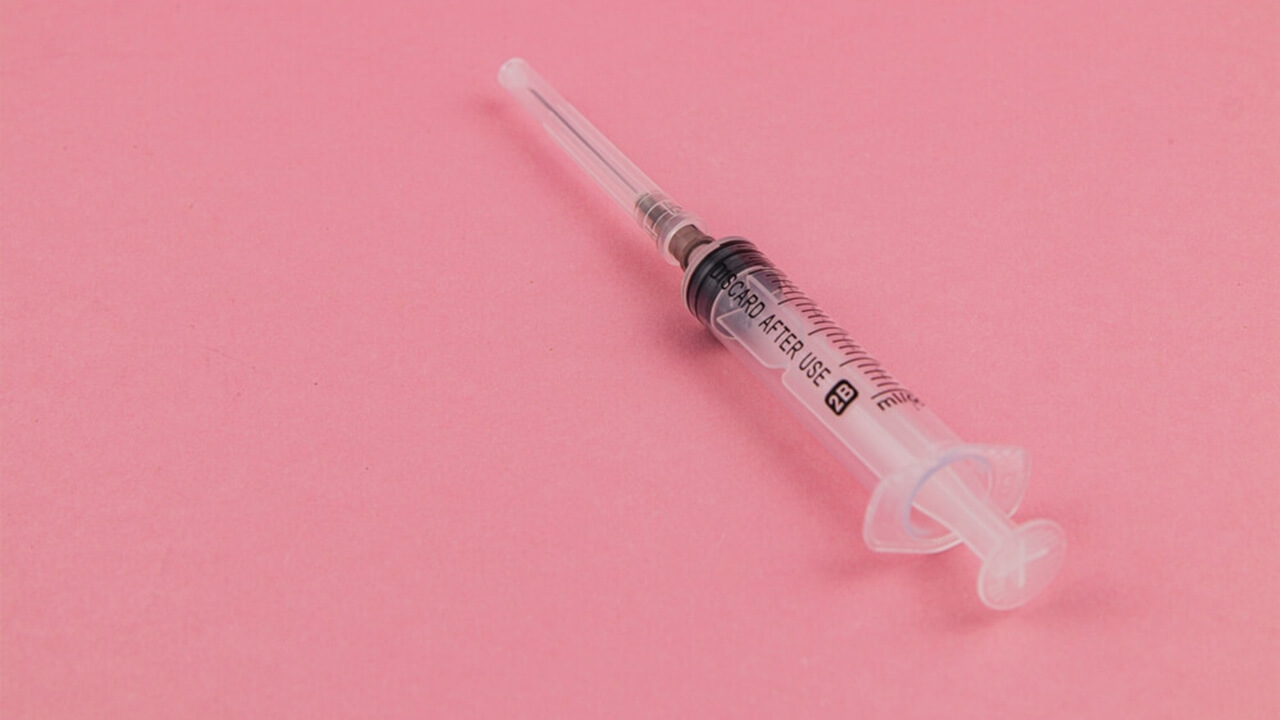
A new real-world study published in Frontiers in Public Health finds that patients with opioid use disorder (OUD) who stay on medication-assisted treatment with a monthly injectable buprenorphine formulation face significantly lower healthcare costs and need for acute medical services.
It includes emergency department visits, hospitalizations and detoxification services. The research, funded by Indivior Pharmaceuticals, examined outcomes for commercially insured OUD patients adherent to SUBLOCADE (buprenorphine extended-release injection) over 12 months.
They were compared them to patients on other forms of medication-assisted treatment and to those who were nonadherent to any OUD medication.
Why Medication-Assisted Treatment Adherence Matters
Opioid use disorder is a chronic brain disease, and like other chronic conditions, consistent treatment produces better outcomes. The challenge has always been adherence, keeping patients engaged in care long enough to see lasting results.
That’s where long-acting injectable buprenorphine changes the equation. Rather than requiring a daily sublingual film or tablet, SUBLOCADE is administered once monthly by a healthcare provider.
Patients adherent to this approach over 12 months had $15,017 (42%) lower annual non-medication medical costs compared to those adherent to other OUD medications ($35,761 vs. $50,778 per patient annually).
More clinically significant, SUBLOCADE-adherent patients had the lowest rates of inpatient admissions, emergency department visits and detoxification services of any group studied, including those on daily buprenorphine formulations.
What Is Extended-Release Injectable Buprenorphine
Buprenorphine is a partial opioid agonist, it activates opioid receptors enough to prevent withdrawal and reduce cravings without producing the euphoria associated with full agonist opioids like heroin or oxycodone.
It has been a cornerstone of medication-assisted treatment for OUD for over two decades. SUBLOCADE delivers buprenorphine in an extended-release subcutaneous injection administered monthly by a clinician.
Because the medication is dispensed and administered in a healthcare setting, it eliminates concerns about daily dosing adherence and reduces the risk of diversion.
Patients must first tolerate a transmucosal buprenorphine product (such as Suboxone) before transitioning to the injectable form.
Lower Detox Utilization Is a Meaningful Outcome
Among the study’s most practically significant findings, patients consistently adherent to the monthly injectable had the lowest utilization of detoxification services across all groups.
This matters because medical detox, while essential for safely managing opioid withdrawal, is an acute, costly intervention. Reducing the need for repeated detox episodes signals that patients are achieving greater treatment stability.
Opioid withdrawal, while rarely fatal in otherwise healthy adults, can be medically serious and is a leading driver of treatment dropout. Symptoms including severe muscle pain, vomiting, insomnia and intense cravings typically peak within 36–72 hours of last opioid use.
Medical detox programs address these symptoms with medications including buprenorphine, methadone, and clonidine, stabilizing patients before longer-term treatment begins.
When medication-assisted treatment is started and sustained after detox, the risk of relapse and the need to return to detox, drops substantially.
This study’s data quantifies what clinicians have long observed, sustained MAT engagement reduces the cycle of acute crises.
The Broader Challenge of OUD Treatment Continuity
The study also surfaces a harder truth, adherence to any OUD medication remains low overall.
Patients who were nonadherent to medication-assisted treatment showed lower adjusted costs than those on other medications.
This is likely because they had disengaged from routine care entirely, becoming invisible to the healthcare system until an acute crisis brought them to an emergency department or inpatient facility.
This pattern underscores why access to medical detox and a clear transition to ongoing MAT matters so much.
Detox alone, without a continuation of evidence-based treatment, does not address the underlying disease.
Programs that bridge patients from supervised withdrawal directly into medication-assisted treatment produce meaningfully better outcomes.
Finding Medical Detox and MAT Programs
For individuals dependent on opioids, attempting withdrawal without medical supervision carries real risks, and without a structured transition to ongoing treatment, the likelihood of relapse is high.
Search Detox.com’s directory of medical detox centers. These centers are staffed by addiction medicine specialists who can safely manage opioid withdrawal and begin medication-assisted treatment before discharge. You can also all 800-996-6135 for immediate assistance.