800-671-4304
Naloxone Added to Standard Workplace First Aid Kits
Published: 09/22/2026
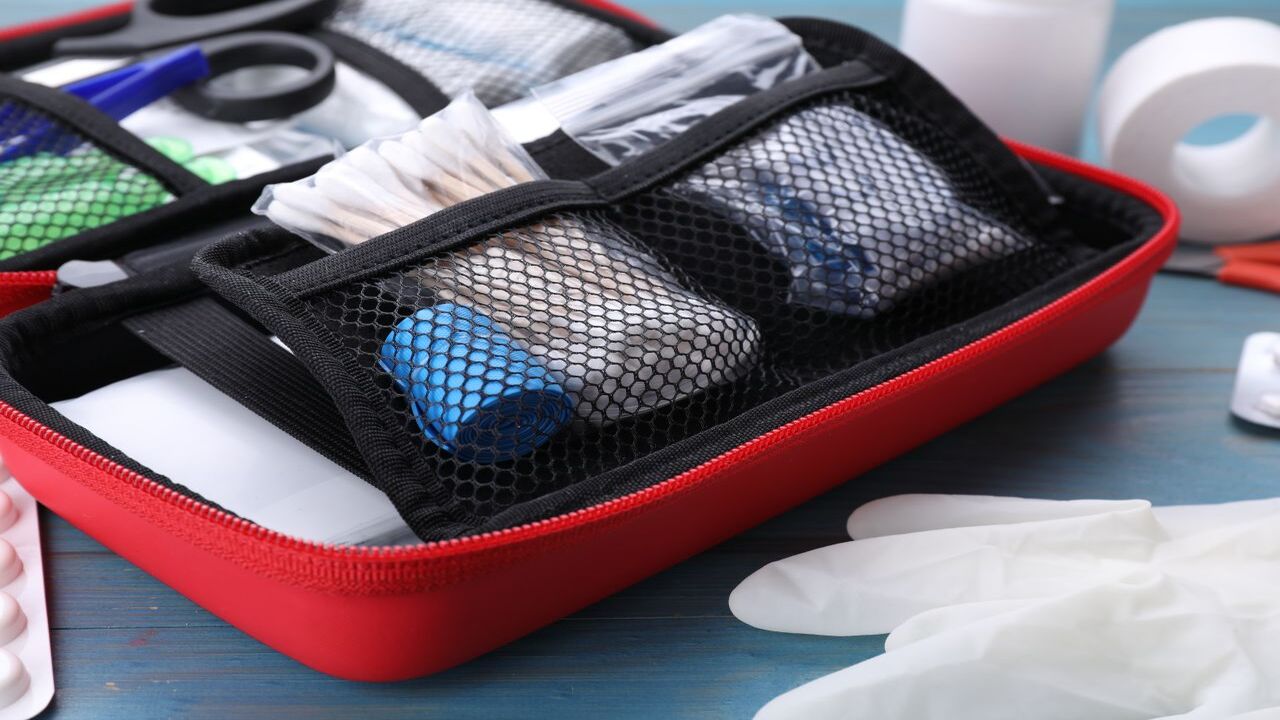
Workplaces just joined the front line of overdose response. A new national standard added naloxone, which reverses opioid overdoses, to the recommended contents of workplace first aid programs and one generic pharmaceutical company is giving doses away to help employers get started.
The change follows the release of ANSI/ISEA Z308.1 2026 which the American National Standards Institute and the International Safety Equipment Association developed together. For the first time the standard recognizes naloxone as a recommended supplemental item for workplace first aid kits.
Why This Standard Matters
The numbers explain the shift. Nearly one in ten workplace fatalities now involves drug overdoses. National Safety Council research, cited in the announcement, found that only 28% of employers fully stocked their office with naloxone medication.
The updated standard encourages employers to have two doses available in visible and accessible locations near other first aid equipment. It also emphasizes that naloxone remains safe to administer, even when opioids do not cause the emergency, which could help reduce hesitation when a crisis occurs.
Free Naloxone for Early Adopters
Padagis will give two free naloxone nasal sprays to the first 200 businesses that apply through its workplace preparedness program. The company focuses its outreach on industries where overdose risk may run higher including construction manufacturing hospitality and food service. Businesses can access the offer through naloxoneworkplace.com.
“The updated ANSI/ISEA standard recognizes that overdose preparedness is becoming an increasingly common part of workplace safety” said Cam Mackey president and CEO of ISEA. The standard also directs employers toward staff training clear response protocols and integration with broader safety programs.
Why Medical Detox Comes Next
Reversing an overdose doesn’t end the medical emergency. When naloxone blocks opioids during an overdose withdrawal can begin quickly once the medication wears off. Anyone who receives naloxone after an overdose needs medical evaluation and anyone who depends on opioids then faces a decision about what comes next.
Medical detox can provide that next step. Opioid withdrawal rarely threatens a person’s life but the symptoms can become severe enough that many people return to use simply to stop the sickness.
Medically supervised detox uses monitoring, and when appropriate, medications such as buprenorphine or methadone to manage those symptoms.
Medication-assisted treatment pairs medication with counseling and represents an evidence based approach to treating opioid dependence.
Detoxing alone carries real risks and can lead to poor outcomes. If someone receives naloxone at work after an overdose, employers and responders should connect that person with a treatment provider before the person leaves medical care.
Finding Medical Detox
If you or a loved one is struggling with addiction, search detox.com’s directory to find medical detox centers that can help you safely withdraw from opioids.
It’s important to never attempt alcohol or benzodiazepine withdrawal without medical supervision. The withdrawals can become life threatening. Call 800-996-6135 to communicate with a treatment advisor and find a medically supervised detox program near you.