800-671-4304
Naloxone Kiosks Show Strong Return on Overdose Prevention
Published: 07/21/2026
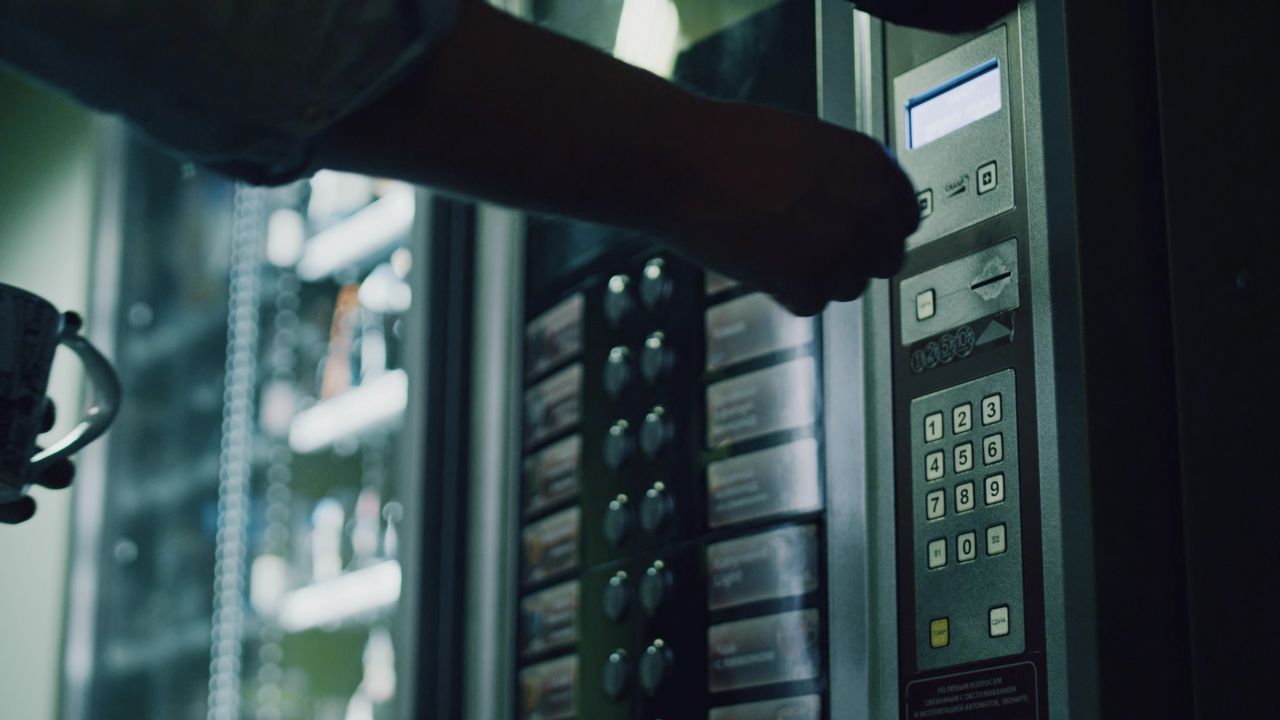
Naloxone kiosks in one Colorado county have distributed more than 9,500 boxes of the overdose-reversal medication since December 2024, an average of 17 kits accessed every day.
For anyone weighing whether medical detox is the safer next step after surviving an overdose, the data offers a clear signal: reversing an overdose and starting supervised withdrawal are two different, equally important parts of staying alive.
Mesa County Public Health released the numbers in its first Naloxone Kiosk Impact Report, detailing the community reach of a program the county started in December 2024.
Why Naloxone Access and Medical Detox Both Matter
Drug overdose deaths in Mesa County have more than tripled since the early 2000s, with nearly 200 residents lost to overdose between 2020 and 2024. Eighty-two percent of those deaths were unintentional, according to the county’s report.
Naloxone can reverse an opioid overdose in the moment, but it does not resolve the underlying opioid dependence that put someone at risk in the first place.
That is where medical detox comes in: a supervised setting where withdrawal is managed safely, reducing the risk of relapse and repeat overdose during one of the most dangerous windows in recovery.
The county’s 17 kiosks offer free, anonymous access to naloxone with instructions in English and Spanish, with no ID checks, intake forms, or payment required. Community health planner Chhavi Attri said the program has grown because of direct feedback from residents who used the kits to save a life.
The Cost Case for Overdose Prevention
Beyond the immediate lifesaving impact, a national study cited in the report estimates that every dollar invested in community naloxone-distribution programs yields $2,742 in savings by averting overdose deaths and avoiding downstream healthcare costs.
That return reflects both the direct cost of emergency care avoided and the broader value of keeping people alive long enough to access treatment, including medical detox and medication-assisted treatment for opioid use disorder.
Harm reduction programs like naloxone kiosks are sometimes framed as separate from formal treatment, but the two work together. Public health data on overdose reversal only tells part of the story if it isn’t paired with a real path into care.
A person who survives an overdose today still needs a safe way to withdraw from opioids when they are ready, and that is a medical process, not something to manage alone.
Understanding Medical Detox After an Overdose
Surviving an overdose is often the moment someone becomes willing to consider treatment, but withdrawal from opioids without medical supervision carries its own risks, including severe dehydration, intense cravings that can lead to relapse, and, in some cases, repeat overdose from using again after a period of reduced tolerance.
Medical detox provides 24/7 monitoring and, where appropriate, medications like buprenorphine or methadone to manage withdrawal symptoms safely.
Finding Medical Detox
Naloxone kiosks and harm reduction programs like Mesa County’s are often the first point of contact between someone in active opioid use and the healthcare system.
Never attempt opioid, alcohol, or benzodiazepine detox without medical supervision. Search Detox.com to find medically supervised detox programs and learn how medication-assisted treatment can support long-term recovery after an overdose scare. Call 800-996-6135 to learn more about your treatment options.