800-671-4304
Naltrexone Cuts Alcohol Cravings but Requires Screening
Published: 09/3/2026
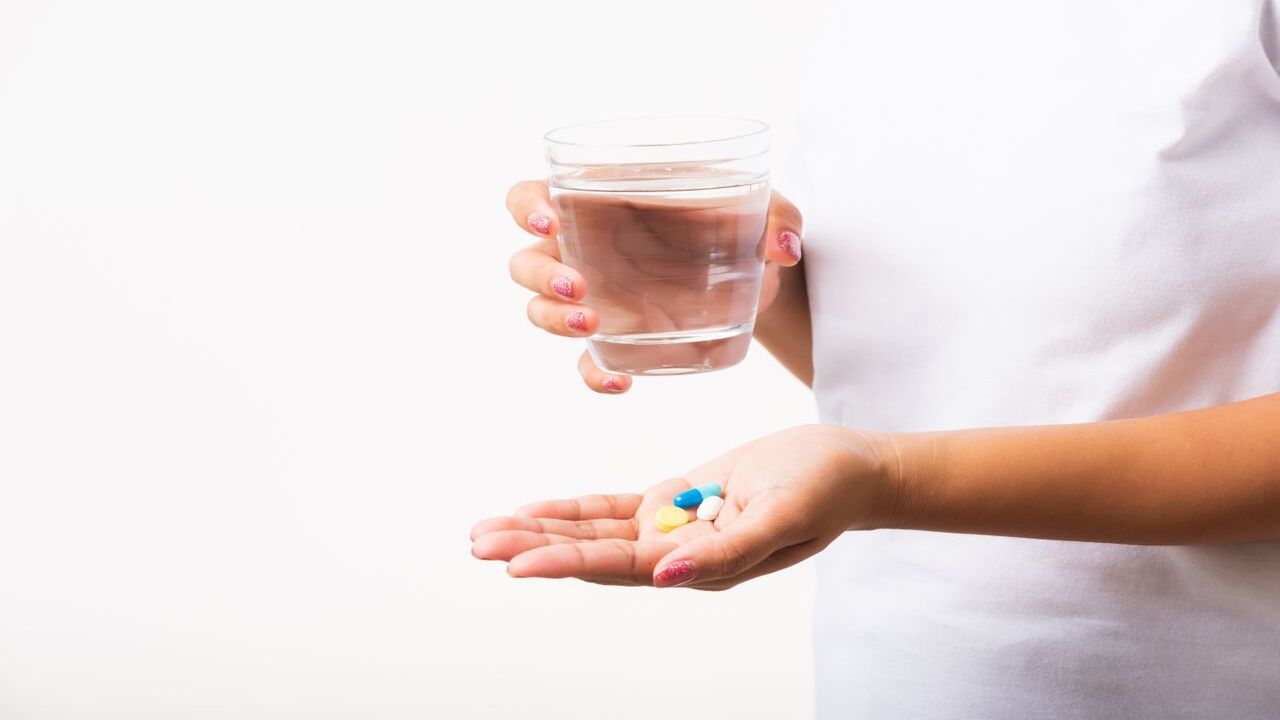
A medication approved in 1994 is having a social media moment and the framing is doing it no favors. Naltrexone for alcohol cravings is being promoted online as the Ozempic of drinking.
It’s being talked about as a cheap pill that quiets the urge similarly to how GLP-1 drugs were sold as quieting appetite. The comparison is catchy. It is also loose enough to mislead a person who may need medical detox first.
What Naltrexone Actually Does
Naltrexone blocks opioid receptors in the brain. Alcohol produces part of its rewarding effect through that same system. Blocking those receptors dulls the payoff. It makes it less likely that one drink turns into several.
The National Institute on Alcohol Abuse and Alcoholism lists it as one of three medications approved in the United States to help stop or reduce drinking and prevent a return to drinking, alongside acamprosate and disulfiram.
The standard oral dose in that guidance is 50 mg per day. Drugs.com lists 50 mg tablets in the United States at roughly $0.94 to $1.15 each when purchased in larger quantities. This is where the cheap alternative framing comes from.
Why This Is Not a Detox Medication
This distinction matters more than the price. Naltrexone is a maintenance medication for alcohol use disorder. It is not a treatment for alcohol withdrawal. It does nothing to prevent the seizures or delirium tremens that make unsupervised alcohol detox dangerous.
Someone who drinks heavily and stops abruptly can develop withdrawal symptoms within hours. In its severe forms, alcohol withdrawal is life-threatening. Medical detox addresses that window with monitoring. When appropriate, benzodiazepine protocols may be used to control symptoms. Naltrexone typically comes after as part of ongoing medication-assisted treatment.
Who Should Not Take It
The same clinical guidance that supports naltrexone is blunt about its limits. It is not for people who are currently using opioids. Because it blocks opioid receptors, taking it while opioids are in the body can trigger sudden and severe opioid withdrawal.
That risk is easy to miss in a viral post. It is a real hazard for anyone using prescription opioids for pain, or anyone using illicit opioids who also wants help with drinking.
Naltrexone requires proper medical screening before starting. This includes consideration of liver function. Prescribers need to know what else a patient is taking and what their liver looks like. This is not information an Instagram caption can supply.
Understanding Medication Assisted Treatment
Medication-assisted treatment pairs an FDA-approved medication with counseling and behavioral support. For alcohol use disorder that means naltrexone, acamprosate, or disulfiram, each with a different mechanism and a different fit. For opioid use disorder it means methadone, buprenorphine or extended-release naltrexone.
The medication reduces the biological pull and the rest of the program addresses everything else. None of the three alcohol medications produce abstinence on their own. None work well when someone is in active withdrawal.
Why the Framing Matters
The underlying point in the viral posts is fair. Alcohol harm is enormous. Treatment is badly underused. The World Health Organization attributes roughly 2.6 million deaths globally to alcohol in 2019. They estimate 400 million people aged 15 and older were living with alcohol use disorders.
A well-studied, inexpensive medication that most have never heard of is worth talking about. The problem is what gets lost in compression. What get lost is the screening, the opioid contraindication and the fact that stopping safely can require medical supervision before any of this applies.
Finding Medical Detox
If you are drinking daily and considering stopping, you may want to start with a clinical assessment instead of a prescription. Ask any detox program how it manages alcohol withdrawal.
You should know whether it monitors symptoms with a standardized scale and how it transitions patients into medication-assisted treatment afterward. Detox.com lists medically supervised detox programs by state and city. The list provides details on medical supervision level, substances treated and insurance accepted. Call 800-996-6135 to learn more about your options.