800-671-4304
Natural Disasters Put Medication-Assisted Treatment at Risk
Published: 05/21/2026
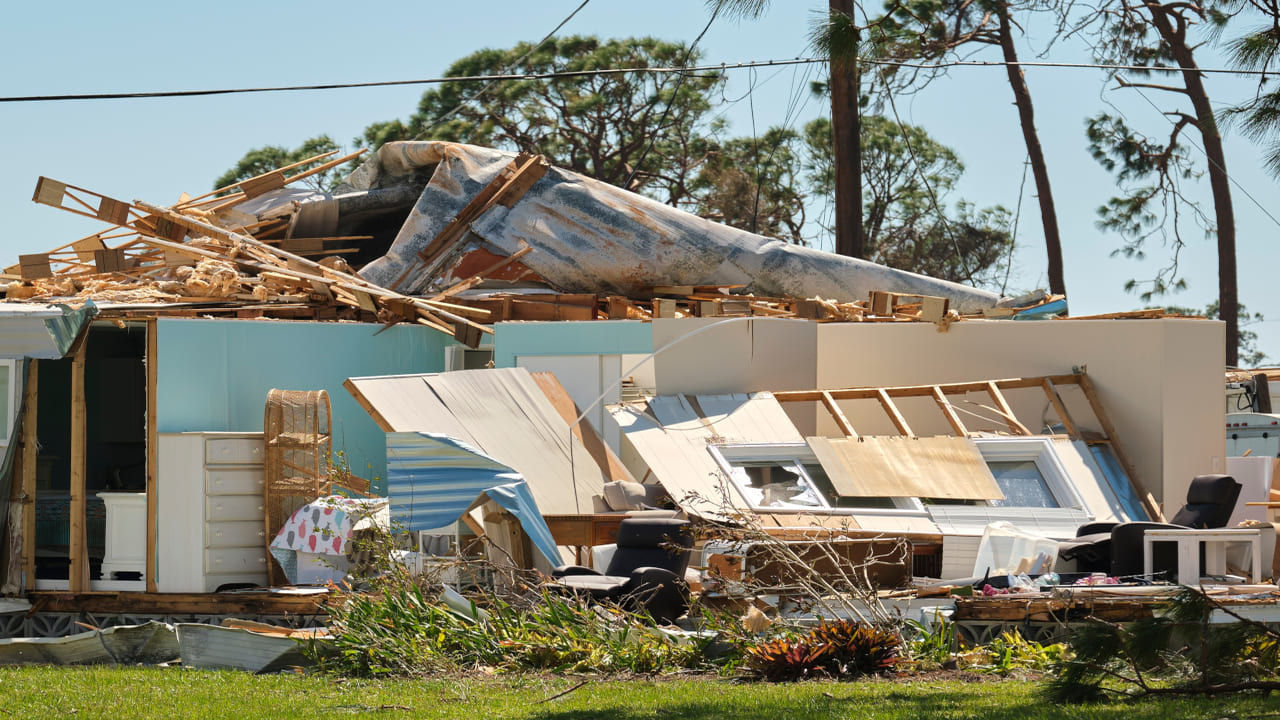
Opioid use disorder is a chronic medical condition, and the medications used to treat it, buprenorphine (brand name Suboxone), methadone, and naltrexone, are not optional supplements.
They are evidence-based, FDA-approved treatments that stabilize brain chemistry, suppress cravings, and prevent life-threatening withdrawal.
Toni Brewer, an Asheville resident 18 months into her recovery from opioid addiction, found herself with only three days of Suboxone after fleeing Hurricane Helene.
Communication lines to her doctor’s office were down, and the thought of running out sent her into a panic. “It’s terrifying just to have that feeling again of, ‘I need this, and I’ll do whatever it takes to get this,'” she said.
Brewer’s experience was not unique. A study found that following Superstorm Sandy in 2012, nearly 70% of New Yorkers who depended on recovery medications were unable to access an adequate supply.
In the two years following Hurricane Maria’s devastation in Puerto Rico in 2017, overdose reports increased.
The Tubbs and Camp fires in Northern California caused substantial disruptions in patients’ access to opioid addiction medications.
What Is Medication-Assisted Treatment
Medication-assisted treatment (MAT) combines FDA-approved medications with counseling and behavioral therapies to treat opioid use disorder.
Buprenorphine works by partially activating opioid receptors in the brain, reducing cravings and blocking withdrawal symptoms without producing a significant high.
Methadone works similarly but must be dispensed daily through federally regulated opioid treatment programs.
Naltrexone, a non-opioid option, blocks opioid receptors entirely and is used after detox to prevent relapse. All three are considered the standard of care for opioid use disorder by major medical organizations.
Regulatory Barriers That Worsen Disaster Outcomes
The doctors behind the AJPH editorial argue that existing regulations make medication-assisted treatment difficult enough to access under normal conditions, and nearly impossible during a disaster.
Methadone for opioid use disorder can only be obtained through an in-person visit to a federally controlled opioid treatment center, many of which closed for days or weeks after Hurricane Helene.
Buprenorphine is regulated through the DEA’s suspicious orders reporting system, which restricts supply when pharmacies order more than specified thresholds.
Blake Fagan, clinical director of substance use disorder initiatives at the Mountain Area Health Education Center in western North Carolina, said the system repeatedly delayed access to medications in the aftermath of Helene and did not allow any exceptions.
Even individual pharmacies became barriers. Fagan described pharmacies refusing to fill more than three days of a patient’s prescription, not knowing whether the person displaced by the storm would be back in their home city within a month.
“They didn’t want to fill a month’s worth,” he said. “And in our mind, we’re sitting in the disaster.”
Brewer ultimately drove to a second pharmacy in Clayton, Georgia, to fill her prescription, paying roughly $130 out of pocket because she was now out of state and outside North Carolina Medicaid’s coverage.
She had also temporarily lost her job when the sober living facility where she worked lost power and closed.
What Doctors Are Recommending
The four addiction medicine physicians who authored the editorial recommend that the federal government work with pharmacies to allow patients to take home larger supplies of medication during declared emergencies.
They also recommend creating a registry of patients prescribed recovery medications to help ensure continuity of treatment during evacuations across state lines.
Additional proposals include stocking rescue vehicles with buprenorphine, adding backup generators to opioid treatment clinics, and training volunteer disaster responders to administer recovery medications.
Elizabeth Cerceo, climate health director at Rowan University’s Cooper Medical School and co-author of the editorial, emphasized the seriousness of the issue.
She noted that it’s challenging to access medications in the first place and expressed that the challenges become greater when people are unable to get to their usual clinics or pharmacies
The group warned that as climate change threatens to increase the frequency of disasters in the U.S., the collision of those disasters with an ongoing opioid epidemic, which has killed more than 800,000 Americans since 1999, demands urgent policy reform.
Finding Medical Detox and MAT Programs Near You
If you or someone you love is dependent on opioids, accessing medically supervised detox and medication-assisted treatment before a crisis, natural disaster or otherwise, is critical.
MAT programs can be found through SAMHSA’s treatment locator at findtreatment.gov. You can also search detox.com’s directory of detox centers or call 800-996-6135 to speak with a treatment advisor today.