800-671-4304
New 3-Month Buprenorphine Implant Could Transform Opioid Detox Treatment
Published: 05/1/2026
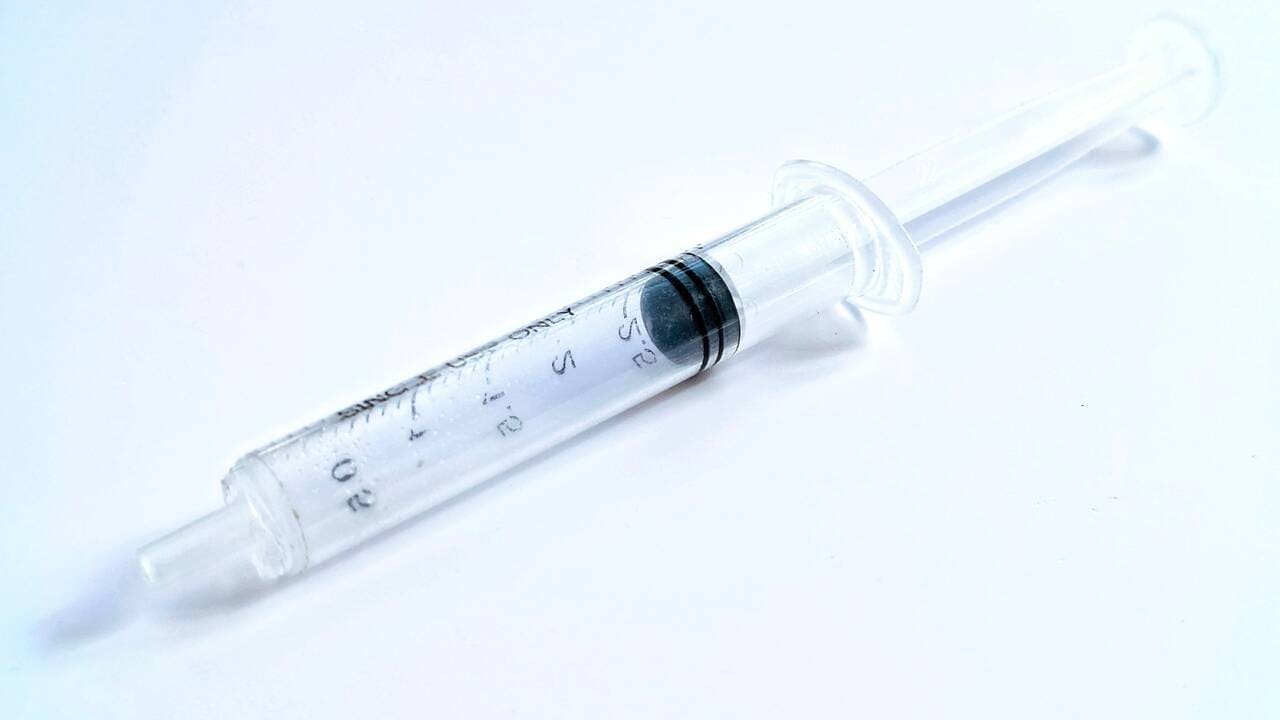
A new biodegradable implant capable of delivering buprenorphine for more than three months may represent a significant advance in medical detox and long-term treatment for opioid use disorder (OUD).
Published in the Journal of Controlled Release, the study by researchers at Purdue University describes how a compressed polymer rod, about the size of a matchstick, could extend the reach of medication-assisted treatment far beyond what current products offer.
Why Medical Detox Matters
Opioid withdrawal is medically serious. Abrupt discontinuation of opioids can cause intense physical symptoms, including severe pain, vomiting, anxiety and insomnia, that frequently drive people back to use before treatment has a chance to work.
Medical detox provides the supervised, medication-supported environment needed to manage these symptoms safely and begin the transition to long-term recovery.
Buprenorphine is a partial agonist at the brain’s μ-opioid receptors. It reduces withdrawal symptoms and cravings without producing the strong euphoric high of full opioid agonists like heroin or oxycodone, making it a cornerstone of medication-assisted treatment.
However, a critical challenge with buprenorphine is maintaining consistent blood levels. Daily sublingual films or tablets require patient compliance every single day.
Missing doses creates peaks and troughs in medication levels, increasing the risk of relapse. That’s why the shift toward long-acting formulations is so important to the field of opioid detox and addiction medicine.
Current Long-Acting Options and Their Limits
The FDA has already approved several longer-acting buprenorphine products. Sublocade and Brixadi are monthly injectable formulations that have shown strong results in clinical trials.
Brixadi, for instance, was found non-inferior to daily sublingual buprenorphine in suppressing illicit opioid use in a Phase 3 trial. Weekly versions are also available.
An earlier implant, Probuphine, lasted six months but required surgical insertion and removal and was made from a non-biodegradable plastic (ethylene-vinyl acetate).
Fewer than one in ten clinicians who attended training ever actually implanted it. The product was pulled from the market in 2020 largely because of those procedural barriers.
The gap in the market is clear: patients and providers need a long-acting option that lasts longer than one month, doesn’t require surgery to remove, and is straightforward to administer.
How the New PLGA Implant Works
The new formulation addresses that gap directly. Researchers compressed buprenorphine free base and a biodegradable polymer called PLGA (poly(lactide-co-glycolide)) into a solid rod using heat and pressure, no solvents, no complex manufacturing steps. The result is an implant that is 70% buprenorphine by weight.
PLGA is already widely used in medicine. It degrades naturally in the body into lactic acid and glycolic acid, which are metabolized safely. Crucially, it eliminates the need for a removal procedure: the implant simply dissolves over time.
One of the key engineering achievements here is the reduction of “burst release,” the tendency of PLGA systems to dump a large dose of drug into the bloodstream shortly after implantation.
By using thermal compaction rather than traditional microparticle or phase-inversion methods, the researchers created a denser, less porous rod that releases buprenorphine more gradually and consistently.
In animal studies using rat and dog models, the implants sustained therapeutic plasma buprenorphine concentrations for more than three months.
What This Means for Medication-Assisted Treatment
The implications for medication-assisted treatment programs are substantial. Adherence is one of the most persistent challenges in OUD treatment.
Each additional step a patient must take, filling a daily prescription, showing up for a monthly injection, is a potential point of dropout. A single implant lasting three months or longer removes that friction for an entire quarter of the year.
The researchers note that the target plasma concentration achieved with their formulation is comparable to Sublocade (approximately 2 ng/mL), which is indicated for moderate-to-severe OUD.
Longer coverage could mean fewer clinic visits, reduced diversion risk, and more stable recovery for patients navigating early sobriety.
This research was funded by the National Institute on Drug Abuse (NIDA), reflecting the federal government’s continued investment in expanding evidence-based OUD treatment options.
Finding Medical Detox
If you or someone you love is dependent on opioids, the safest path forward begins with professional evaluation.
Medical detox centers can assess withdrawal severity, initiate medication-assisted treatment with buprenorphine, methadone, or naltrexone, and connect patients to the next level of care.
Never attempt opioid withdrawal without medical supervision. You can search detox.com’s listing of detox centers to get started with treatment.
Call 800-996-6135 to speak with a specialist who can help identify medically supervised detox programs near you.