800-671-4304
Ohio Jail Naloxone Machine Delivers 524 Overdose Kits
Published: 07/17/2026
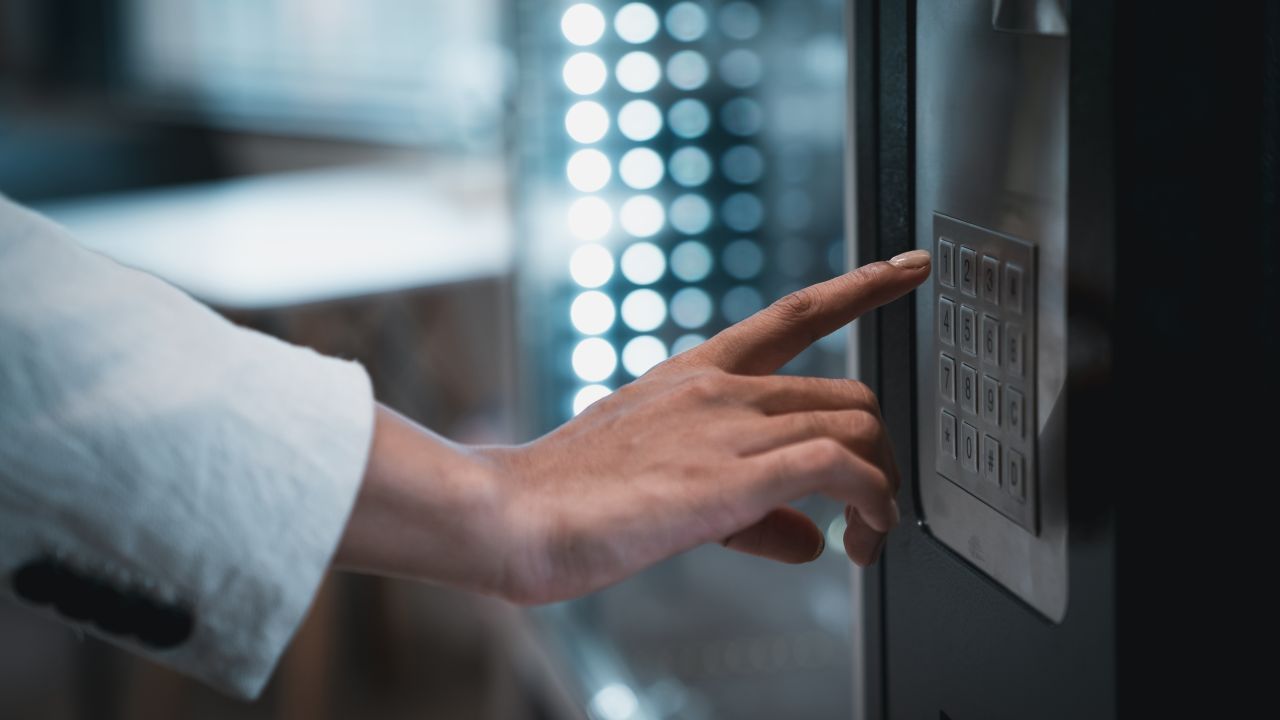
A naloxone vending machine installed in the lobby of the Delaware County jail in Ohio has distributed 524 overdose reversal kits in its first year, according to a community update from the Delaware County Sheriff’s Office.
The machine, which is available 24 hours a day to anyone who walks in, has had 702 kits ordered since installation, with the remaining kits still stocked inside.
Why This Matters for Medical Detox and Overdose Safety
Naloxone reverses an opioid overdose, but it does not resolve opioid dependence on its own. For many people, surviving an overdose is the moment that opens the door to medical detox, since withdrawal from opioids can bring serious health risks and is safest when managed under medical supervision.
Programs like the Delaware County vending machine put a life saving tool directly in the hands of the community, which public health officials describe as a bridge to the next step, not a replacement for treatment.
The sheriff’s office partnered with the Delaware Public Health District and Project DAWN, a naloxone distribution program run through the Ohio Department of Health, to stock and maintain the machine. In announcing the update, the sheriff’s office said the program represents a chance at “another opportunity to seek recovery” for anyone who uses it.
Understanding Naloxone
Naloxone is a medication that rapidly reverses the effects of an opioid overdose by blocking opioid receptors in the brain. It has no effect on someone who has not taken opioids and carries minimal risk of misuse.
It’s why public health agencies have pushed to make it as widely available as naloxone vending machines, pharmacies, and community distribution programs. It works within minutes but wears off faster than many opioids, so emergency medical follow up is still necessary after use.
Medication Assisted Treatment After an Overdose
Buprenorphine and methadone are the two most established medications used to manage opioid withdrawal and reduce the risk of returning to use after an overdose.
Buprenorphine is a partial opioid agonist that eases withdrawal symptoms and cravings without producing the same intensity of effects as a full opioid, while methadone is a longer acting full agonist typically dispensed through a licensed clinic.
Naltrexone, a third option, blocks opioid receptors entirely but requires a person to complete detox first, since taking it while opioids are still active in the body can trigger sudden, severe withdrawal. A person’s history of use, the substances involved, and any co-occurring health conditions all factor into which medication a treatment team recommends.
Finding Medical Detox
Never attempt opioid detox alone if you or someone you know is dependent on fentanyl or other opioids, since withdrawal symptoms can be intense and relapse risk is high without support.
If you or someone you love is battling addiction, texting HELPLINE to 898211 connects callers with treatment resources. Detox.com can help you find medically supervised detox programs that offer opioid withdrawal management and medication assisted treatment in your area. Call 800-996-6135 to speak with a treatment specialist.