800-671-4304
Philadelphia Methadone Van Treats 567 People in First Year
Published: 10/2/2026
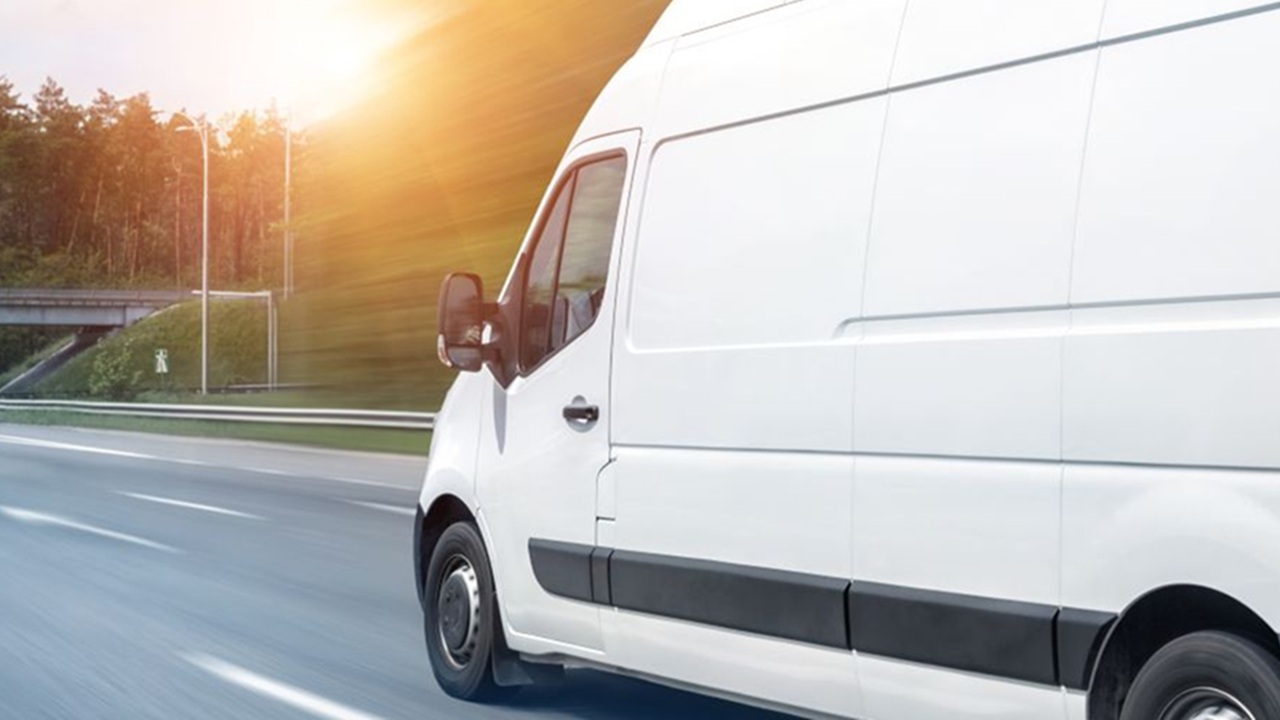
The most effective front door for opioid addiction treatment is sometimes a side door with a window in it. Philadelphia officials cut the ribbon on a new permanent home for the city’s first mobile methadone van.
It’s an RV-style clinic parked at the Kensington Wellness Support Center, which is a short walk from SEPTA’s Huntingdon station. The one-year numbers behind the ceremony explain the enthusiasm.
Since the program launched in October last year, 567 people got connected to methadone. About 90 percent of them were homeless when they walked up.
Methadone remains one of the most effective medications for opioid addiction ever developed yet its rules were written for a different epidemic. One where patients reliably showed up at the same clinic every morning.
The fentanyl era compounded now by sedative adulterants like medetomidine has made rapid access a clinical necessity.
An Hour From Walk-Up to First Dose
At a brick-and-mortar clinic intake can mean long waits and people using street fentanyl can slide into painful withdrawal before they ever receive a dose.
On the van the process runs in under an hour. It starts with a health exam in a converted front exam room, a treatment consultation, then a first measured dose of liquid methadone from a nurse through a partitioned window.
The unit carries security cameras and officers, which reflects the reality of its location. Kensington remains the epicenter of Philadelphia’s open-air drug market and the van meets the supply where it is.
Stabilize First, Then Transition
Staff aim to stabilize patients through low-barrier medication access while a team of clinicians, counselors and peer recovery specialists address the needs that surround addiction: housing, food, hygiene, light wound care.
After roughly two weeks of consistent dosing staff begin transitioning people to long-term outpatient programs and brick-and-mortar methadone clinics. They only do this when the patient’s ready.
“If a person is medicating consistently, their head starts to clear a little, right? And they start to use less. It’s just what naturally starts to happen,” Marino said. “Typically, we’re not transferring somebody till we see those types of changes.”
Why Mobile Methadone Took So Long
Methadone is a Schedule II controlled substance. It’s the most tightly regulated medication in addiction medicine and for decades federal rules chained it to fixed clinic locations.
The DEA expanded its rules in 2021 to permit dispensing from mobile units at remote locations. Merakey’s program is among the first licensed to do so in Pennsylvania.
Two other mobile methadone programs in the state serve Allegheny County and six rural central Pennsylvania counties. Startup funding for Philadelphia’s van came from the city’s share of national opioid settlement money.
“This is an important step forward, not only for Pennsylvania, but for the entire treatment system,” said Latika Davis-Jones, secretary of the Pennsylvania Department of Drug and Alcohol Programs. “By expanding mobile treatment, we are reducing barriers, bringing care closer to people.”
Where Detox Fits in This Model
A methadone van is not a detox service and the distinction matters. Detoxification is the short, clinically supervised process of clearing opioids and managing withdrawal.
Medication-assisted treatment like methadone is ongoing maintenance that follows it, preventing withdrawal and craving so recovery can take hold.
The van’s success depends on both halves of the continuum existing. A person stabilized on the van who needs higher care, or who arrives still using other substances, still requires proper assessment, and withdrawal from fentanyl-adulterated supplies in 2026 increasingly involves sedatives that complicate detox and demand medical supervision.
Finding Medication-Assisted Treatment
If you or someone you love needs opioid addiction treatment:
- Methadone, buprenorphine and naltrexone all reduce overdose deaths; the right medication is a clinical decision and not a moral one
- Detox.com lists detox centers and medication-assisted treatment programs nationwide. You can call 800-996-6135 to find care in your area.
- Keep naloxone on hand and call 911 in any suspected overdose.
Philadelphia’s mayor called the first-year results life-saving and the state’s top drug and alcohol official called it a step toward Pennsylvania leading the country in treatment delivery.
The 567 people treated mostly measure it differently. They got a dose the day they asked for one.