800-671-4304
Phoenix Heat Wave Prompts Naloxone Push as Overdose Surge
Published: 07/20/2026
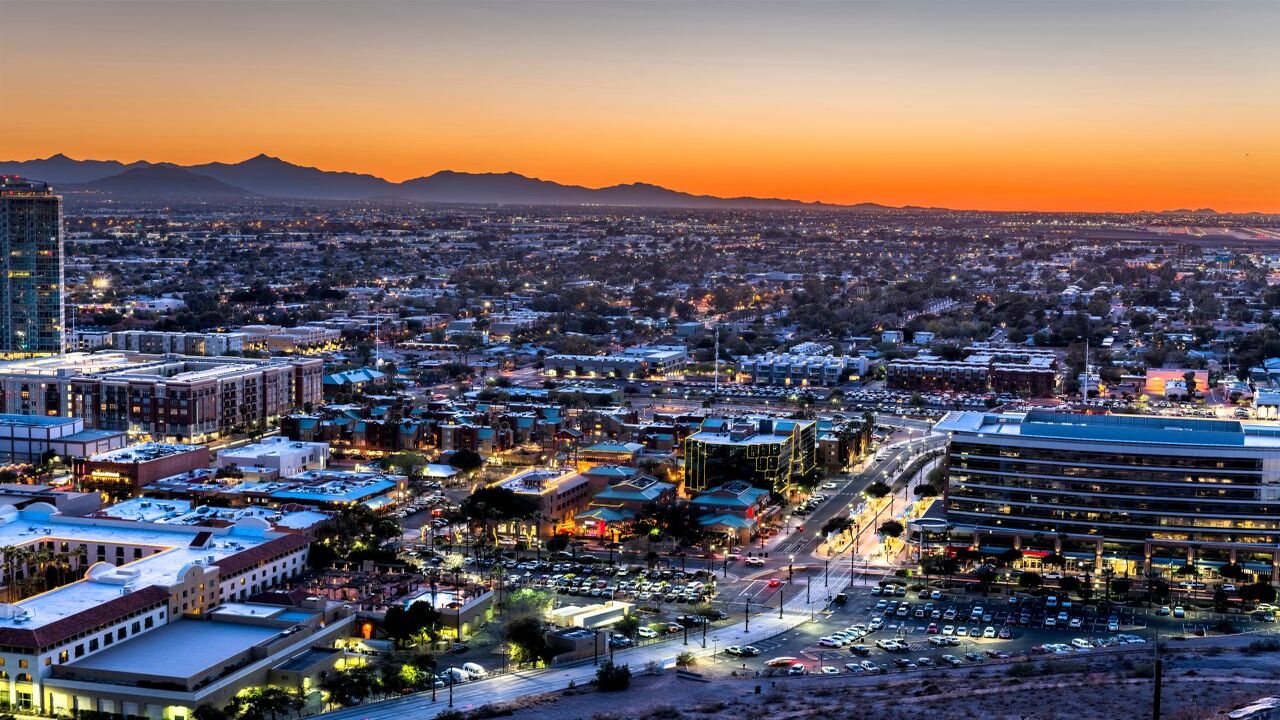
Extreme heat is adding a new layer of danger to opioid overdose risk in Maricopa County, and public health officials are responding by putting naloxone directly into the hands of the people most likely to need it.
The effort is a reminder that overdose prevention and medical detox exist on the same continuum of care, and that surviving an overdose is often the first step toward getting help.
Why Extreme Heat Raises Overdose Risk
Maricopa County’s Department of Public Health distributed 1,700 heat relief kits containing naloxone across the county this year, according to KJZZ. The kits pair the opioid-reversal medication with heat safety supplies, addressing two risks at once during Arizona’s summer.
Carmen Batista, with the county’s public health department, told KJZZ that extreme heat increases the risk of fatal overdose among people who use opioids.
Heat stress can worsen the respiratory depression that opioids already cause, and dehydration can intensify the physical strain on someone whose body is already compromised by drug use.
Batista said the county has already documented at least two cases with direct outcomes: one person was revived on site after an overdose, and a volunteer later used a kit to reverse an overdose and save their son’s life.
Naloxone Is a Bridge, Not a Substitute for Medical Detox
Naloxone reverses the immediate, life-threatening effects of an opioid overdose by displacing opioids from receptors in the brain. It does not treat opioid use disorder, and it does not manage the withdrawal that follows once opioids are cleared from the body.
That distinction matters for anyone who has survived an overdose, or supported someone through one, and is now trying to figure out what comes next.
Opioid withdrawal can be medically serious depending on the substance and duration of use, and symptoms typically begin within hours of the last dose.
Never attempt opioid withdrawal without medical supervision, particularly if fentanyl or other synthetic opioids are involved, since the withdrawal timeline and severity can be unpredictable.
Medical detox provides monitoring and, when appropriate, medications that ease withdrawal symptoms and reduce the risk of relapse in the vulnerable days immediately following an overdose.
Understanding Naloxone
Naloxone works within minutes to reverse an opioid overdose by blocking opioid receptors in the brain, restoring normal breathing in someone who has stopped breathing or is breathing dangerously slowly.
It is available as a nasal spray or injectable, has no potential for misuse, and cannot harm someone if given to a person who is not actually experiencing an opioid overdose.
Public health officials increasingly view broad naloxone access, including through vending machines, community distribution, and heat relief kits like the ones in Maricopa County, as one of the most effective tools available for reducing overdose deaths.
Finding Medical Detox in Arizona
Anyone who has survived an overdose, or who is worried about a loved one’s opioid use, should treat that moment as an opportunity to connect with inpatient detox rather than a one-time scare. Extreme heat adds urgency in Arizona specifically, since outdoor conditions can turn a survivable overdose into a fatal one faster than in cooler climates.
Never attempt alcohol, benzodiazepine, or opioid detox without medical supervision. You can search detox.com’s directory to find medical detox centers in Arizona and nationwide.
They can provide monitored withdrawal management, medication-assisted treatment options such as buprenorphine or methadone, and a safer transition into ongoing treatment.
Call 800-996-6135 to find medically supervised detox programs near you, and ask specifically about naloxone access and overdose prevention planning as part of any treatment intake.