800-671-4304
SAMHSA Guidance Adds Medication-Assisted Treatment Reviews
Published: 09/8/2026
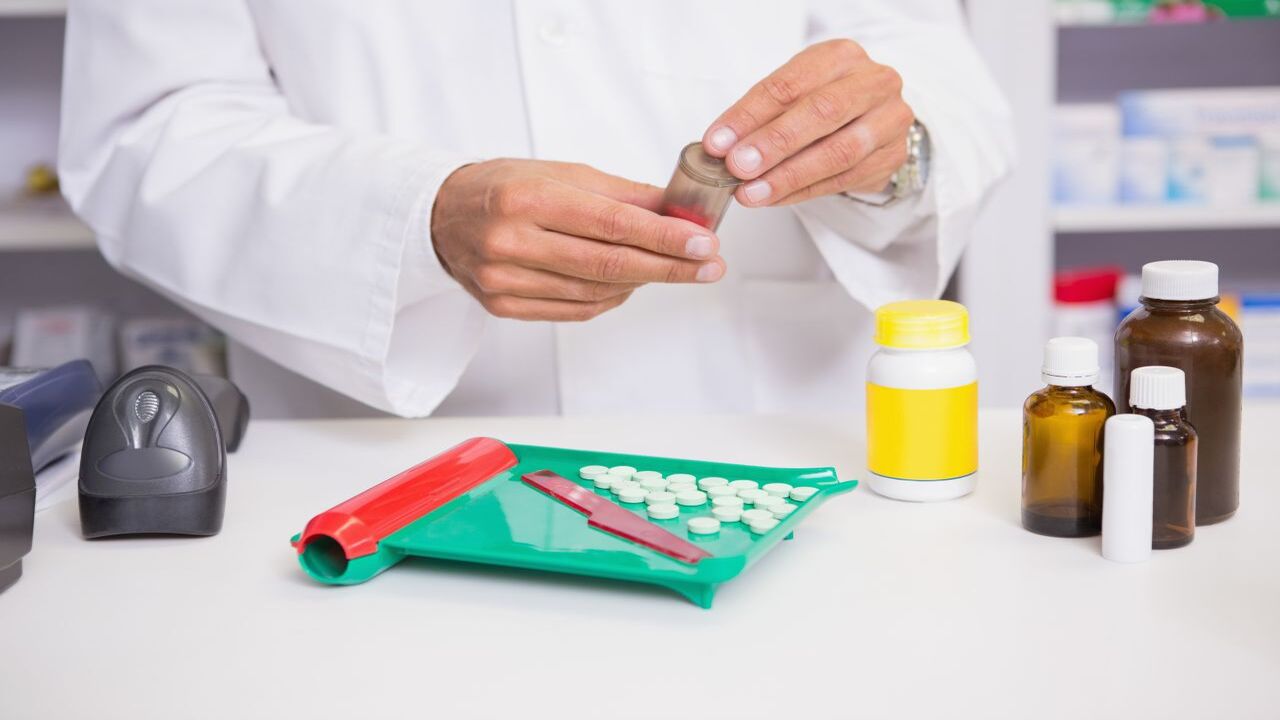
If you take buprenorphine or methadone, or you are weighing medication-assisted treatment as a next step after detox, two federal letters issued this spring may change what your clinic is asked to do at your next annual visit.
The Substance Abuse and Mental Health Services Administration released the guidance on April 24. It has been the subject of sustained disagreement among clinicians, public health groups and federal officials ever since. Here is what the guidance says, what SAMHSA gives as its reasoning and what its critics are arguing.
What the Medication-Assisted Treatment Guidance Requires
SAMHSA issued two Dear Colleague letters. Dear Colleague letters are guidance to organizations that receive federal grant money. They are not regulations, and they do not change what a licensed clinician is legally permitted to prescribe.
The first letter tells grantees that offer medications for opioid use disorder, including buprenorphine and methadone, that clinicians must review each patient’s treatment plan annually. They also must discuss the option of discontinuing medication treatment as part of that review.
Annual treatment plan review is already a part of standard clinical practice. The new element is the required conversation about stopping medication. The second letter limits which supplies and services federal substance use grants can pay for.
What Grant Funding Can and Cannot Cover
According to SAMHSA’s guidance, and an analysis published by the National Association of Counties, the April letter removed funding eligibility from several items that were allowable under earlier guidance:
Fentanyl and xylazine test strips are now explicitly prohibited, along with other substance test kits including medetomidine strips
Sterile water, saline and ascorbic acid
Sterile syringes and safer smoking supplies
Overdose hotlines that provide a remote companion for someone using drugs
SAMHSA funding may still support:
- Purchase and distribution of opioid overdose reversal medications, including naloxone and nalmefene
- Medication lock boxes and disposal kits
- Overdose reversal education and training
- Bags and secure containers used to distribute reversal medications
- Wound care supplies and HIV and hepatitis prevention, testing and treatment, including PrEP and PEP
The April letter updates guidance issued in July 2025. It shifted the agency away from harm reduction as a funding framework while still allowing test strips.
The Case SAMHSA and the Administration Make
SAMHSA has framed both letters as implementing an executive order titled Ending Crime and Disorder on America’s Streets. The order directed the Secretary of Health and Human Services to ensure that SAMHSA discretionary grants support only evidence-based programs and exclude efforts the order characterized as facilitating illegal drug use.
The agency’s own language describes a shift away from harm reduction and practices it says are incompatible with federal law. In separate guidance, SAMHSA has stated that treatment models providing medication alone are insufficient, and that its funding, training and technical assistance will prioritize comprehensive models combining medication with behavioral health treatment, recovery support services, care coordination and ongoing clinical monitoring.
On the medication review requirement, the stated aim is periodic reassessment of whether a given treatment plan still fits the patient. Supporters of the approach note that the guidance does not prohibit anyone from continuing medication and that it preserves funding for naloxone and nalmefene. These specific drugs reverse an overdose in progress.
The Case Critics Make
Writing in Health Affairs Forefront on September 1, a group of authors argued the policies risk lives by deemphasizing the value of medications for opioid use disorder and withdrawing federal support for test strips and syringe services.
Their central objection to the medication review requirement is the framing of it. The letter’s language, they wrote, implies that people with opioid use disorder stay on medication longer than is beneficial. The authors argue that the evidence points the other way.
They cite research among US veterans that found that people who continued medication for at least four years had a lower risk of dying than people treated for six months, and research associating longer treatment duration with lower risk of nonfatal overdose during pregnancy.
On the supply restrictions, critics note that the drug supply now routinely contains fentanyl and xylazine. They express that removing a funded path for people to check what they are taking eliminates information that can prevent an overdose. STAT News has reported that the test strip policy reverses a federal position that has been held since 2021.
The American Society of Addiction Medicine said it was reviewing the letters and was prepared to engage with federal partners so that national policy reflects evidence-based practice in addiction medicine.
Why Medical Detox Matters Here
Detox and medication-assisted treatment are related forms of addiction treatment but distinct. Medical detox manages acute withdrawal under the supervision of clinicians. Medication-assisted treatment is the ongoing use of an FDA-approved medication, such as buprenorphine, methadone or naltrexone, alongside counseling to reduce cravings and overdose risk over time.
Buprenorphine and methadone are both used in supervised withdrawal management and as long-term treatment. Naltrexone is started only after a person is fully withdrawn from opioids.
Never attempt alcohol or benzodiazepine detox without medical supervision. Withdrawal from either can cause seizures and in the case of alcohol, delirium tremens, both of which can be fatal.
What This Means If You Are in Treatment
Nothing in this guidance requires you to stop medication. If your clinic raises discontinuation at your next annual review, that conversation is a required part of the review, not a decision that has already been made.
If you are considering tapering, that is a decision to make with your prescriber, with a plan in place. Stopping opioid use disorder medication lowers tolerance, which raises overdose risk if a return to use occurs.
Finding Medical Detox
Ask any program you contact whether it offers medication-assisted treatment on site or refers out, whether it accepts your insurance and what level of medical monitoring is available overnight.
SAMHSA’s National Helpline is free and confidential, available 24 hours a day at 1-800-662-4357. Detox.com lists medically supervised detox programs nationwide, searchable by location, substance treated and insurance accepted. Call 800-996-6135 to learn more about your treatment options.