800-671-4304
Senate Bill Would Let Addiction Specialists Prescribe Methadone
Published: 08/13/2026
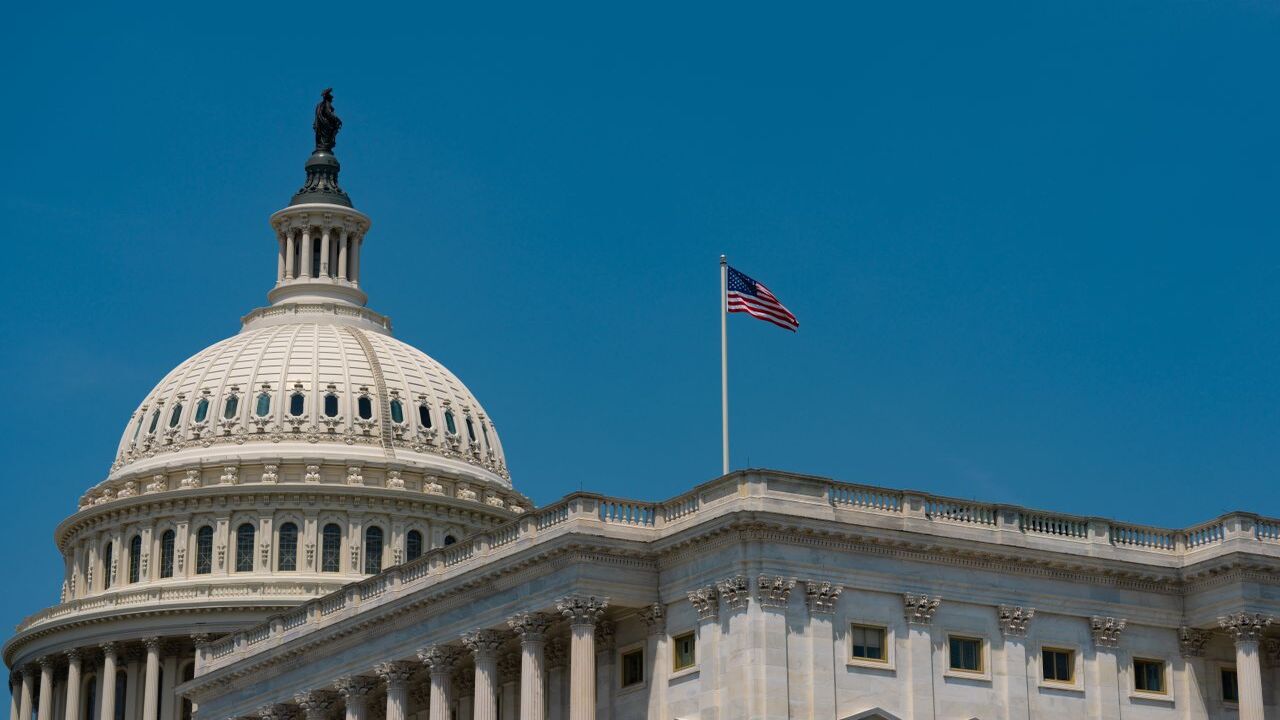
For anyone who depends on daily clinic visits to receive methadone treatment, a bill now back before the U.S. Senate would change where that medication comes from.
The Modernizing Opioid Treatment Access Act, reintroduced in June by Senators Edward J. Markey of Massachusetts and Rand Paul of Kentucky, would let certain addiction specialists prescribe methadone for patients to pick up at a pharmacy. Filter reported on the updated version of the bill on August 4.
Whether that would reach most patients is the open question, and it is being argued in public by clinicians, advocates, and the bill’s own sponsors.
Why Methadone Access Is Regulated Differently
Methadone is a full opioid agonist used in medication-assisted treatment for opioid use disorder. It reduces withdrawal symptoms and cravings, and decades of evidence support it as a first-line treatment.
Under current federal law, methadone for opioid use disorder can only be dispensed through a licensed opioid treatment program, commonly called an OTP or a methadone clinic. There are approximately 2,100 of these programs nationwide, and the majority are concentrated in urban areas. About 600,000 patients currently take methadone.
That structure is why access looks the way it does. A patient in a rural county may have no program within driving distance, and patients in early treatment are often required to appear in person daily for a supervised dose.
Buprenorphine, sold as Suboxone and other brands, works differently as a partial agonist and can already be prescribed in ordinary medical offices and filled at a pharmacy.
What the Updated Bill Would Do
The proposal would let physicians board-certified in addiction medicine and addiction psychiatrists prescribe methadone outside an OTP, with patients filling those prescriptions at a community pharmacy.
Markey has framed this as overdue, saying that methadone has been kept locked away from many of the people who need it and that the bill would take a carefully considered step toward expanding access by allowing the most highly trained addiction physicians to prescribe it.
The updated version adds language giving the Secretary of Health and Human Services authority to designate additional categories of prescribers beyond those two specialties, without Congress having to pass another law. Those providers would need to be licensed and registered to prescribe controlled substances.
Participating physicians would also need a special registration from the Drug Enforcement Administration. Individual state attorneys general would retain authority to stop registering new providers in their state, or to revoke or deny a registration.
Where the Disagreement Sits
The bill’s critics, including harm reduction advocates and Filter’s reporting, focus on the size of the prescriber pool. Roughly 6,400 physicians hold board certification in addiction medicine, set against about 600,000 methadone patients.
A representative from Markey’s office acknowledged to Filter that there are not enough addiction medicine physicians and psychiatrists in the country to expand care to everyone who needs it, and described the bill as starting that expansion with the providers who have the greatest expertise.
Critics also note that the new HHS designation authority carries no named provider categories and no timeline, and that the DEA registration requirement and the state-level veto could each narrow the effect further.
Jerry Otero, who takes methadone and manages a drug user health program at St. Ann’s Corner of Harm Reduction, told Filter that the bill would keep methadone out of reach for the patients who need it most by overcomplicating who can prescribe.
The American Society of Addiction Medicine, which was involved in drafting the update, supports the bill and describes it as pairing expanded access with federal and state oversight and safety guardrails, including prescription drug monitoring for methadone dispensed at community pharmacies.
In 2023 testimony on the earlier version, ASAM’s Stephen M. Taylor, MD, told a Senate committee that the bill does not amount to methadone for everyone prescribed by anyone, and called it a responsible expansion of access.
Detox.com is not taking a position on the legislation. What matters clinically is that nothing in either version changes the medication itself or how it is dosed.
What This Means for Safe Withdrawal
If you are currently in methadone treatment, nothing has changed. The bill has been reintroduced, not passed, and current dispensing rules remain in force. If you are considering starting treatment, the practical implication is that pharmacy pickup is not an option yet, and an opioid treatment program remains the route to methadone.
Buprenorphine, by contrast, can already be prescribed in an office setting today, which for some people is the difference between starting treatment this week and not starting at all. That is a conversation for a clinician who can assess which medication fits your history and your withdrawal risk.
Finding Medical Detox
Search medically supervised detox and medication-assisted treatment programs in your area, and confirm which medications a program offers before you commit. Call 800-996-6135 to get in contact with a treatment advisor.