800-671-4304
Study Finds Suboxone Cuts Overdose Risk After Detox
Published: 07/28/2026
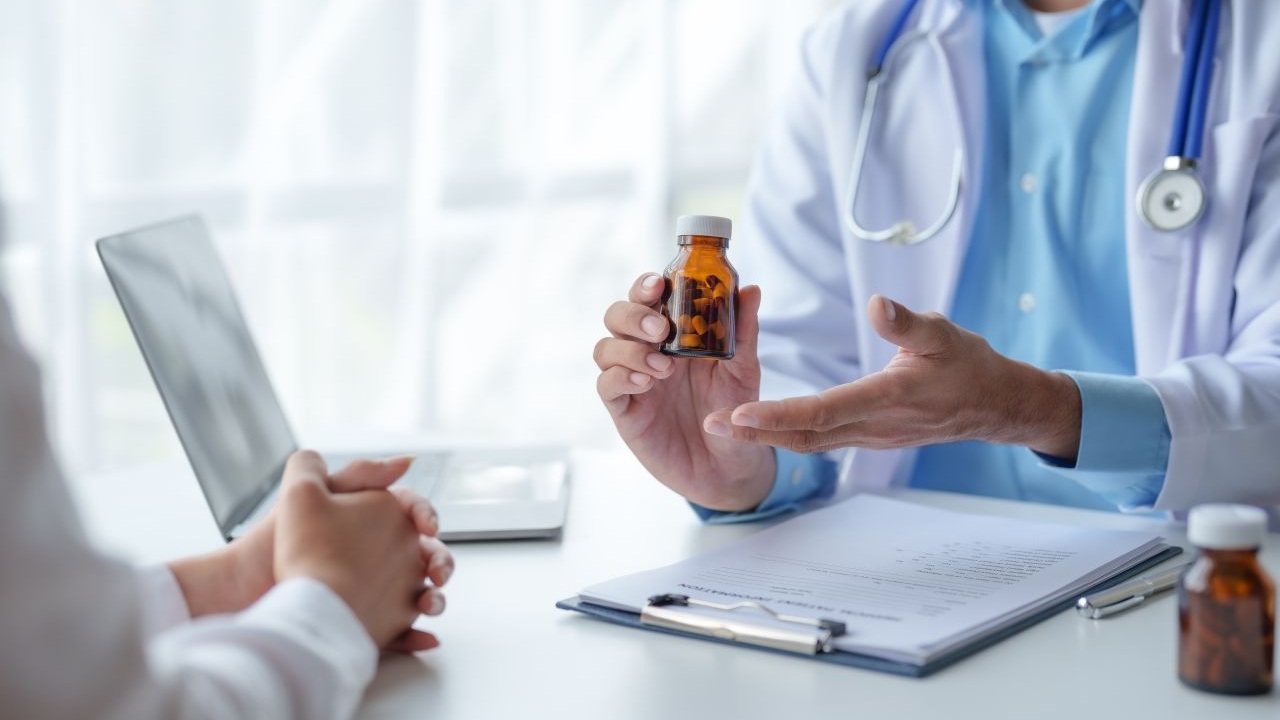
People who start buprenorphine-naloxone (Suboxone) after medical detox from opioids have a lower risk of a nonfatal opioid overdose in the following six months than people who start extended-release naltrexone (Vivitrol), according to a new study published in JAMA Network Open.
The study also found no difference in overall mortality between the two medications, underscoring why medical detox and medication-assisted treatment need to work together, not stand alone.
What the Study Looked At
Researchers used Massachusetts state health data to track more than 36,000 adults discharged from medically managed opioid withdrawal, the clinical term for supervised medical detox, between 2014 and 2018.
Since clinicians don’t randomly assign people to different medications in real-world care, the researchers here used a method called target trial emulation to compare outcomes to mimic a randomized trial.
Of the more than 106,000 discharge episodes analyzed, 13.4% led to buprenorphine-naloxone treatment within 28 days, and 4.5% led to extended-release naltrexone. The rest didn’t start either medication within that window, a gap the researchers themselves flagged as a separate problem worth addressing.
The Overdose and Mortality Findings
At 24 weeks after detox, the two medications showed no meaningful difference in all-cause mortality: 1.4% for both buprenorphine-naloxone and naltrexone.
But the risk of a nonfatal opioid overdose was notably lower for people on buprenorphine-naloxone, at 11.6%, compared with 13.9% for those on naltrexone.
That is a difference of 2.3 percentage points, meaning naltrexone patients experienced meaningfully more nonfatal overdoses over the same window.
Those numbers carry real weight. Even among people who successfully started medication-assisted treatment after detox, roughly one in eight to one in seven experienced a nonfatal overdose within six months. This statistic does not mean folks should avoid treatment. Rather, remember that we shouldn’t regard medical detox as a finish line.
Why Medical Detox Alone Isn’t Enough
Medical detox manages the acute, and sometimes life-threatening, symptoms of opioid withdrawal. It doesn’t treat the underlying opioid use disorder.
This study adds to a growing body of evidence that what happens in the weeks immediately after detox determines much of a person’s risk going forward.
The researchers also found that people who stayed on their medication, rather than lapsing in possession of it, had lower rates of both overdose and death.
Among people who received no medication for opioid use disorder on the day of an overdose event, rates climbed substantially higher than among those who had recently taken their medication.
This reinforces a core principle of medical detox and medication-assisted treatment: staying connected to care matters as much as which medication is chosen.
Understanding the Medications
Buprenorphine-naloxone acts as a partial opioid agonist combined with an opioid blocker. It reduces withdrawal symptoms and cravings while carrying a ceiling effect that lowers overdose risk from the medication itself. Patients typically start buprenorphine-naltrexone compounds soon after detox. Doctors can prescribe it on an ongoing outpatient basis.
Extended-release naltrexone is a full opioid blocker given as a monthly injection. It requires a period of complete opioid abstinence before the first dose, which patients find a harder transition immediately after detox. It doesn’t carry addictive potential and offers a once-monthly dosing schedule some patients prefer.
Neither medication remains inherently the “right” choice for every person. This study’s authors note that retention, meaning whether someone continues taking their prescribed medication over time, may matter more than which specific medication is chosen.
Finding Medical Detox and MAT Together
If you or someone you love wants to prepare for opioid withdrawal, ask providers directly how they connect medical detox with follow-up medication-assisted treatment.
A detox program with no clear plan for starting buprenorphine-naloxone, naltrexone, or methadone afterward leaves a dangerous gap exactly when risk is highest.
Never attempt opioid withdrawal without medical supervision. Fentanyl’s presence in the illicit drug supply has made withdrawal timelines and risks less predictable than in previous years.
You can search detox.com’s directory to find medically supervised detox programs that coordinate directly with medication-assisted treatment. Call 800-996-6135 to get in contact with a treatment specialist today.