

 800-671-4304
Under 39,000 Young Patients Filled Buprenorphine Prescriptions in 2023
Published: 08/19/2026
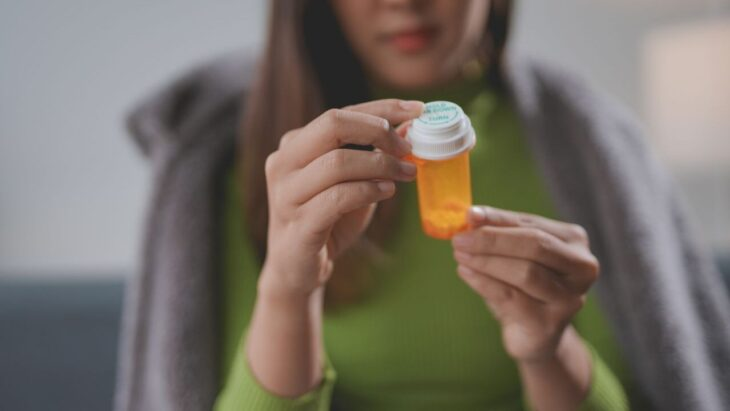
Medication-assisted treatment (MAT) for opioid use disorder is approved for patients as young as 16. It’s available in pharmacies nationwide and can be prescribed by any doctor or nurse practitioner. Resources like buprenorphine prescriptions for young patients are largely under-accessed, and that gap changes what safe withdrawal looks like for anyone under 26.
Around 544,000 people younger than 26 have been clinically diagnosed with opioid use disorder, according to the most recent federal figures. Only a fraction are receiving the medication.
Why Medical Detox Matters
Opioid withdrawal is rarely fatal on its own, but it is intensely uncomfortable, and the danger comes immediately afterward. Tolerance drops fast during withdrawal, so a return to a previous dose after even a few days without opioids can be lethal. This is why supervised care matters more than willpower.
Medical detox manages symptoms with medication and monitoring, then transitions the patient directly into ongoing treatment. Detox by itself is not treatment. For opioid use disorder, the transition step is usually medication-assisted treatment, and the evidence for starting it right away is strong.
The story that prompted this coverage illustrates what happens without that pathway. A mother in Wichita Falls, Texas, searched for help for her 19-year-old daughter in 2022. Rehab was too expensive, so she tried vitamins she had read about online, then a change of environment, then kratom purchased as a withdrawal remedy. Her daughter’s pediatrician did not offer an opioid agonist medication. The young woman died of an overdose four months later.
Understanding Buprenorphine as Medication-Assisted Treatment
Buprenorphine is a partial opioid agonist. It activates the same brain receptors that heroin and morphine do, but only partially, which is enough to prevent cravings and withdrawal symptoms without producing the same intoxication. That stability is what gives a patient room to engage with counseling and rebuild routines.
Unlike methadone, which is more tightly restricted and generally dispensed through opioid treatment programs, buprenorphine can be prescribed by any doctor or nurse practitioner and picked up at a pharmacy. It has been recommended as a safe and effective treatment for patients as young as 16. Studies show that when teenagers and emerging adults take the daily medication, their likelihood of opioid misuse and of fatal overdose drops.
Brendan Saloner, a professor of addiction medicine at Brown University, said decades of research show that patients with this disorder tend to do better when they are on medication. Some data indicate the medication can lower overdose risk by as much as half.
Why Prescriptions Are Falling for Young Patients
Fewer than 39,000 patients ranging from mid-teens to early adulthood filled buprenorphine prescriptions in 2023, roughly 3,000 fewer than in 2017. Over that same stretch, fatal overdoses among young people grew by a quarter, peaking during the pandemic. Prescriptions for people older than 34 increased over the same decade. Overdose and opioid use disorder rates among young people have since receded.
Saloner noted that the reasons behind the longer-term prescribing decline are not clear, in part because there is no standardized way this disorder and its treatments are tracked.
Several barriers consistently appear in the research. Insurance coverage, out-of-pocket costs, and transportation access all impede access. So does a shortage of clinicians. Marc Fishman, an addiction psychiatrist and medical director of Maryland Treatment Centers, estimates that as few as 5 percent of the roughly 4,800 addiction medicine physicians in the country work with adolescents. Facilities dedicated to teenagers are scarce, and research suggests most of them do not provide buprenorphine.
Prescriber knowledge is another factor. In 2023, a little more than 53,000 primary care providers consistently prescribed the medication, around 1 in 14 of the workforce authorized to do so. Among pediatricians, roughly 1 in 16 have recommended buprenorphine at least once in their career.
Berkeley Franz, a professor of community-based health at Ohio University, surveyed 403 primary care providers in Ohio and found around half did not know how treatments like buprenorphine work. Those same providers recalled that less than one day of their education was dedicated to substance use disorders.
What Fentanyl Changed
Sharon Levy, an addiction medicine specialist and pediatrician at Harvard Medical School, said fully synthetic opioids such as fentanyl and nitazenes have changed how dependence develops. Young people are now becoming dependent after sporadic or even accidental use, often through counterfeit pills.
That has also complicated diagnosis. Levy said young patients used to present with a consistent picture of opioid use disorder that made identification straightforward, and that today many show only a handful of the classic symptoms. Her assessment is that a growing share of cases are simply being missed.
For detox planning, that matters. A patient who has been using counterfeit pills containing fentanyl may have a different withdrawal course and a different induction protocol than someone using prescription opioids, which is a clinical judgment that belongs with a prescriber rather than a family.
Finding Medical Detox
If you or someone in your family is dependent on opioids, ask any program you contact whether it offers medication-assisted treatment on site or arranges a warm handoff to a prescriber before discharge. Detox without that link is where most people lose ground.
Ask which medications the program uses, whether it treats patients under 26, and what happens on day one after discharge. Never attempt alcohol or benzodiazepine detox without medical supervision, since withdrawal from those substances can cause seizures and can be life-threatening.
Detox.com lists medically supervised detox centers by location with details on services, insurance accepted, and available levels of care.