800-671-4304
Yakima Clinic Speeds Up Methadone Dosing With Robot
Published: 07/1/2026
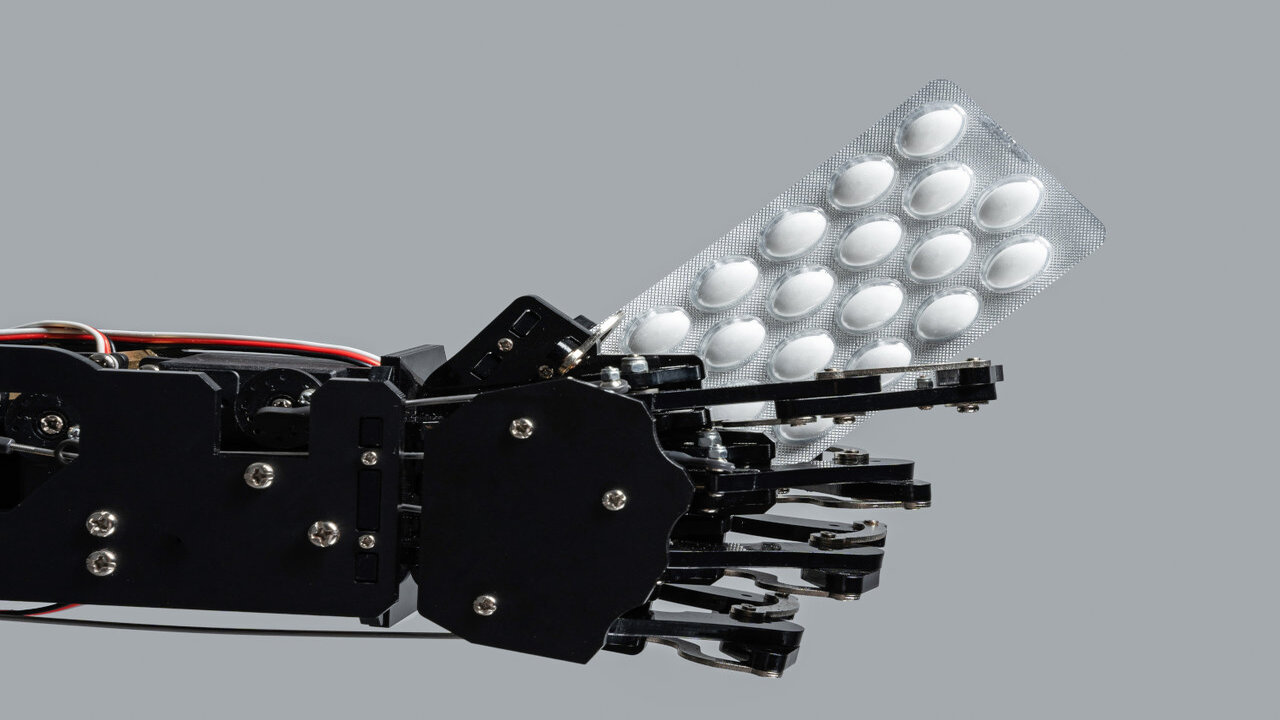
A behavioral health clinic in Yakima, Washington, has become one of the first in the state to automate part of its methadone dosing process, a change that could mean shorter waits for patients in medication-assisted treatment.
Comprehensive Healthcare announced on June 16, 2026, that it has implemented ZING, a robotic methadone dosing assembly system, at its Opioid Treatment Program (OTP), making it the first clinic east of the Cascades to use the technology.
For people receiving daily or near-daily methadone doses, time spent waiting in line is a real part of treatment. Anything that shortens that wait can make it easier to stay engaged in care.
Why Dosing Speed Matters in Methadone Treatment
Methadone for opioid use disorder is dispensed through federally regulated opioid treatment programs, and many patients, especially early in treatment, must visit a clinic daily to receive their dose under supervision.
That requirement is an important safety measure, but it can also mean long lines, particularly at high-volume clinics. Comprehensive Healthcare said its nurses previously poured, sealed and labeled each dose by hand at the dosing window while clients waited, sometimes for up to half an hour.
How the ZING System Works
The ZING robot automates the measuring, sealing, and labeling of individual methadone doses, allowing nurses to prepare batches in advance instead of doing it one client at a time.
According to Dr. Gillian Zuckerman, an addictionologist at Comprehensive Healthcare, nurses could prepare about 85 doses an hour by hand, while the ZING system is capable of preparing up to 400 doses an hour, nearly five times faster.
Within the first three days of using the system, the clinic prepared around 400 doses with ZING each day, which Comprehensive Healthcare said represented about 15 hours of nurse time saved daily.
Clinic staff have nicknamed the robot “R2 Dose-2,” and the organization said the response from both staff and clients has been positive since it went into use in late April.
Freeing Up Time for Patient Care
The appeal of automation here is not just speed. Dr. Zuckerman said the goal is to let nurses redirect the time they save toward direct interaction with clients rather than repetitive dose preparation.
“As demand for opioid treatment continues to grow, so does the need for human-centered care,” she said. “Automating methadone dosing gives our nurses more time for the meaningful interaction that makes a real difference in recovery.”
Jodi Daly, CEO of Comprehensive Healthcare, framed the technology as part of a broader commitment to the Central Washington community: “Central Washington community members deserve access to innovative, high-quality behavioral healthcare, and that’s exactly what we’re committed to providing.”
What This Means for People in Medication-Assisted Treatment
Faster dosing logistics will not change the medication itself, but they can reduce one of the everyday frictions that makes daily clinic visits harder to sustain.
As more opioid treatment programs look for ways to handle growing demand without sacrificing the time nurses spend with patients, automation tools like ZING may become more common at OTPs nationally.
For people currently in or considering methadone treatment, the bigger picture is reassuring: the type of medication-assisted treatment available, and clinics’ interest in improving the patient experience around it, continues to evolve as the field works to make treatment both safer and more accessible.
Finding Medical Detox and Medication-Assisted Treatment
Methadone and buprenorphine are both evidence-based options for opioid use disorder, and starting medically supervised treatment can reduce the risk of return to use and overdose.
If you are exploring detox or MAT for yourself or a loved one, search detox.com’s directory of detox centers. Ask prospective programs about wait times, dosing schedules and what support is available beyond medication. You can call 800-996-6135 to get in touch with a treatment advisor today.